The U.S. FDA’s enforcement regarding products related to the COVID-19 pandemic has picked up steam recently, but the U.S. Federal trade commission (FTC) is also involved in this enforcement arena. Leonard Gordon, a partner at Venable LLP’s New York office, told BioWorld that while the FTC and FDA missions seem to overlap, the FTC primarily targets unsupportable advertising claims rather than product labeling, a particularly relevant area in the COVID-19 pandemic.
The U.S. National Institutes of Health recently announced a competitive grant opportunity for testing for the SARS-CoV-2 virus, which has been characterized as a “Shark Tank-like” program, and NIH director Francis Collins said in a May 7 Senate hearing that one of the criteria for awards is whether supplies can be made readily available for that test, the lack of which has been a significant impediment to testing in the U.S.
The U.S. FDA continues to modify its emergency use authorization (EUA) policy for testing for the SARS-CoV-2 virus, although workplace testing is still on the agency’s to-do list. The FDA’s Tim Stenzel noted on a May 6 briefing that serological tests for antibodies must now demonstrate an overall sensitivity of 90% and overall specificity of 95%, a set of standards that might challenge some tests that are available under the EUA policy.
The FDA has revised its emergency use authorization (EUA) policy for testing for the COVID-19 pandemic, the impact of which falls principally on serological tests for antibodies generated by the SARS-CoV-2 virus. The agency had previously allowed a commercial antibody test developer to distribute a test without submitting the validation data, but makers of such tests now must forward the validation data to the FDA within 10 days, a move prompted in part by inappropriate claims made by some test developers.
Roche Holding AG, of Basel, Switzerland, has garnered U.S. FDA authorization for emergency use of a test to determine whether people have been infected with the novel coronavirus fueling the COVID-19 pandemic. The Swiss health care giant, which also makes molecular tests to detect active COVID-19 infection, claims its Elecsys Anti-SARS-CoV-2 antibody test accurately identifies COVID-19 antibodies in the blood 100% of the time, 14 days post-infection.
Bio-Rad Laboratories Inc. has launched its SARS-CoV-2 Total Ab test, which is a blood-based assay to identify all the antibodies that are developed by the human body in response to the novel coronavirus SARS-CoV-2. Companies have been racing to offer serological tests that work to detect the antibodies developed during a COVID-19 infection that remain present in the blood after the initial infection clears.
The COVID-19 pandemic has gripped the conversation regarding diagnostic and surveillance testing, but stakeholders nonetheless saw fit to populate the docket for the FDA’s proposal to down-classify tests for the human immunodeficiency virus (HIV) to class II. One of the themes of the feedback was that the proposal excludes a few key items, such as quantitative nucleic acid tests and testing for viral load monitoring, leaving the FDA with some difficult decisions to make.
Carmell Therapeutics Corp., of Pittsburgh, received fast track designation from the U.S. FDA for its first product, CT-101, a bone healing accelerant. Carmell is gearing up for a phase III study of the plasma-based bioactive accelerant as part of its pursuit of a biologic license application.
The FDA’s 15-day deadline for responses to warning letters has long been a sore spot for device makers, who might argue that some of the more complex regulatory findings require more than 15 days to analyze and address. That same timeline was found in both the draft and final versions of the non-binding feedback guidance for device inspections despite industry’s pleas that such a tight deadline leads to rushed judgment and potentially inadequate responses by managers at the manufacturing site.
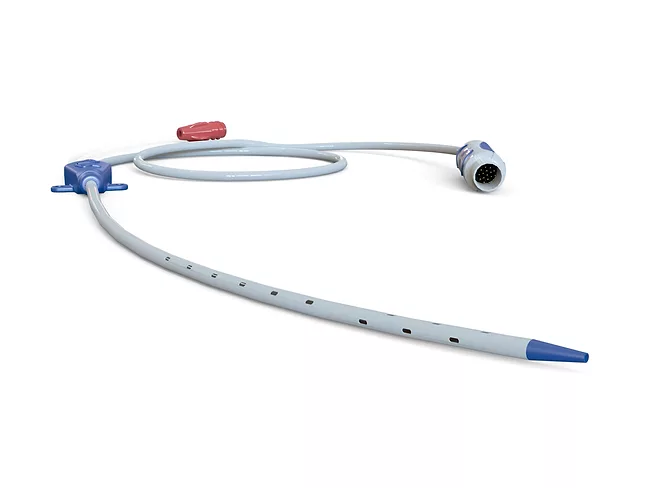
Reports of unusually high death rates for COVID-19 patients on ventilators have raised alarms, and some doctors are looking to reduce reliance on the breathing machines when possible. To advance that goal, Lungpacer Medical Inc., of Vancouver, British Columbia, has obtained an emergency use authorization (EUA) from the U.S. FDA for its Lungpacer diaphragmatic pacing therapy system (DPTS) for immediate use in ventilator patients at high risk of weaning failure, including patients with the novel coronavirus.
 RSS
RSS