Phathom Pharmaceuticals Inc.’s shares sank 31% on news that the U.S. FDA will not take action on the company’s NDA for oral small-molecule potassium-competitive acid blocker vonoprazan by the Jan. 11 PDUFA date.
Hotspot Therapeutics Inc. has received FDA clearance of its IND application for HST-1011, the company's investigational small-molecule allosteric inhibitor of casitas B-lineage lymphoma-B (CBL-B), an E3 ubiquitin protein ligase critically involved in immune cell response.
Askgene Pharma Inc. has received FDA clearance of its IND application to start a phase I study of ASKG-915, a novel and proprietary anti-PD-1/IL-15 prodrug fusion molecule for the treatment of cancer.
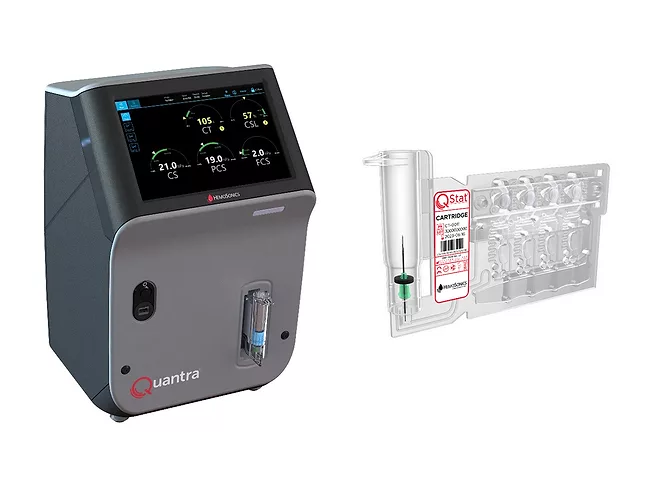
Hemosonics LLC said it was recently awarded U.S. FDA clearance for a new hemostasis test cartridge assay it said significantly expands the indications for clinical use of its existing Quantra system to now also include trauma and liver transplantation procedures. The expanded Quantra hemostasis system with its QStat cartridge will add to capabilities of the system’s QPlus cartridge assay already established in the point-of-care and lab-based, whole blood hemostasis testing market.
The CMS had floated a coverage concept for devices routed through the U.S. FDA breakthrough devices program shortly before the Biden administration took office, but the change in administration proved lethal to the program in terms of its initial contours. The latest development in this saga would have the program revert to an expanded use of the existing Medicare coverage with evidence development (CED) program, a far cry from the original concept of same-day coverage upon FDA approval or clearance of the device.
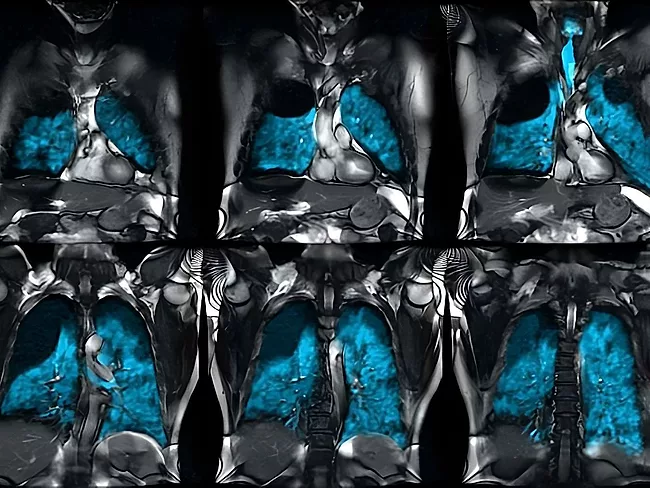
The U.S. FDA has approved Polarean Imaging plc’s drug-device combination product, Xenoview, for use with magnetic resonance imaging (MRI) in evaluating lung ventilation in adults and children aged 12 and older. The hyperpolarized contrast agent, which is prepared from the Xenon Xe 129 gas blend, is expected to be commercially available in the U.S. starting next month.
Tucked into the 4,155-page, $1.7 trillion spending bill for fiscal 2023 that U.S. President Joe Biden signed into law Dec. 23 is a small provision that may have outsized impact on future biosimilar and other drug development. Championed by lawmakers on both sides of the political spectrum, the provision modernizes the data that can be used to support drug development, including alternatives to animal studies.
Transcode Therapeutics Inc. has received clearance from the FDA to proceed with a first-in-human phase 0 trial of TTX-MC138 in cancer patients with advanced solid tumors. A single dose of radiolabeled TTX-MC138 will be followed by noninvasive PET-MRI to quantify the amount of radiolabeled TTX-MC138 delivered to metastatic lesions.
The U.S. FDA managed to wrap up a guidance for clinical decision support (CDS) products after several years, one of several projects the agency was liable for in the area of digital health. While a much-needed draft guidance for change control for artificial intelligence algorithms made the guidance agenda for the FDA’s new fiscal year, that draft is only a B draft guidance priority, suggesting that a final guidance might not emerge until calendar year 2024, possibly later.
Tucked into the 4,155-page, $1.7 trillion spending bill for fiscal 2023 that U.S. President Joe Biden signed into law Dec. 23 is a small provision that may have outsized impact on future biosimilar and other drug development. Championed by lawmakers on both sides of the political spectrum, the provision modernizes the data that can be used to support drug development, including alternatives to animal studies.
 RSS
RSS