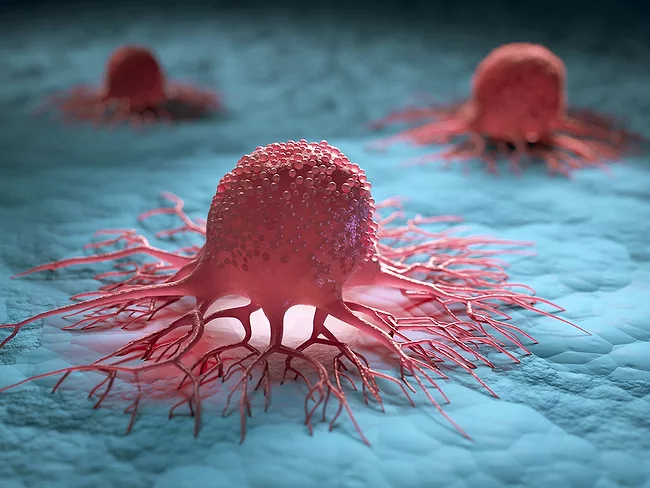
The FDA has cleared Tango Therapeutics Inc.'s IND application for TNG-462, a next-generation methylthioadenosine-cooperative (MTA) inhibitor of protein arginine methyl transferase 5 (PRMT5) for the treatment of cancers with methylthioadenosine phosphorylase (MTAP) deletion.
Immpact Bio USA Inc. has announced clearance of its IND application by the FDA for IMPT-314, a bispecific OR-Gate autologous chimeric antigen receptor (CAR) T-cell therapy targeting the B-cell antigens CD19 and CD20.
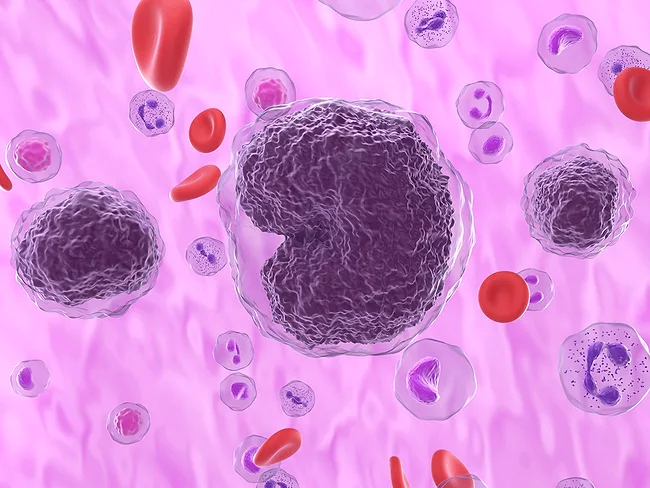
The FDA has cleared Cullinan Oncology Inc.'s IND application for CLN-978, a CD19/CD3 T-cell engaging antibody construct with a human serum albumin (HSA) binding domain to increase serum half-life.
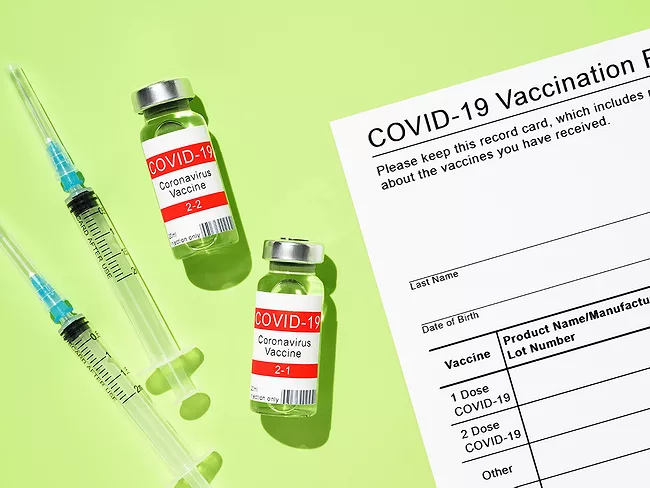
As the SARS-CoV-2 virus that’s responsible for COVID-19 continues to evolve across the world, a global response, similar to what’s used with influenza, would be ideal in evaluating and recommending vaccine strain composition changes from year to year. But “the current diversity of vaccine manufacturers and complexities in global supply of COVID-19 vaccines would make a globally coordinated, simultaneous vaccine composition evaluation and recommendation quite challenging,” the U.S. FDA said in its briefing document for the Jan. 26
meeting of the Vaccine and Related Biological Products Advisory Committee.
Long before the U.S. Congress approved a path for importing prescription drugs from Canada to take advantage of their cheaper price, Poornanand Palaparty, an oncologist in Ohio, purchased cancer drugs from a Canadian distributor from 2004 to 2009. Now, nearly a decade after Palaparty pleaded guilty in 2013 to introducing misbranded drugs into the U.S., the FDA is debarring the doctor based on that federal misdemeanor.
Albeit with complaints and provisos, the U.S. FDA’s Antimicrobial Drugs Advisory Committee (ADAC) rubber-stamped Cidara Therapeutics Inc.’s rezafungin, an injectable treatment for candidemia and invasive candidiasis (IC) in adults. Panelists were asked to vote on a single question: “Is the overall benefit-risk assessment favorable for the use of rezafungin for treatment of candidemia/IC in adults with limited or no alternative treatment options?” The balloting turned out 14 yes, one no.
 RSS
RSS