The FDA posted a recall announcement for two catheter kits made by Arrow International LLC, a subsidiary of Wayne, Pa.-based Teleflex Inc., due to problems with the connectors used in the kits. While no injuries or deaths have been reported, the problem could lead to embolism and/or delayed delivery of needed therapeutic fluids to patients, making this a class I recall due to the risk of injury and death.
Neurophth Therapeutics Inc. has received FDA clearance of its IND application for the in vivo gene replacement therapy NFS-02, a novel recombinant adeno-associated viral serotype 2 vector (rAAV2) containing a codon-optimized NADH-dehydrogenase subunit 1 (ND1) gene, for the treatment of Leber hereditary optic neuropathy (LHON) associated with ND1 mutation.
Invectys Inc. and CTMC, a joint venture between MD Anderson Cancer Center and National Resilience Inc., have announced FDA clearance of an IND application for a phase I/IIa study of IVS-3001, Invectys' lead engineered human leukocyte antigen A (HLA-G)-targeting chimeric antigen receptor (CAR) T-cell therapy for the treatment of solid tumors.
Ferring Pharmaceuticals A/S has notched another U.S. FDA approval, this time for a bladder cancer treatment, Adstiladrin (nadofaragene firadenovec). The non-replicating adenovirus vector-based gene therapy’s approval comes only weeks after the FDA’s Nov. 30 approval of the privately held company’s Rebyota (fecal microbiota, live), the first fecal microbiota treatment in the U.S. Adstiladrin is another landmark, as the first FDA-approved gene therapy to treat high-risk, non-muscle-invasive bladder cancer. Saint-Prex, Switzerland-based Ferring said it anticipates the product becoming commercially available in the U.S. in the second half of 2023.
The U.S. FDA has had a long-standing guidance dealing with drug manufacturing facilities that delay or deny FDA investigators’ attempts to inspect a manufacturing facility, but that policy was exclusive of device manufacturing facilities up until passage of the FDA Reauthorization Act (FDARA) of 2017. FDARA’s expansion of the policy to include device manufacturing facilities has prompted a rewrite of an existing 2014 guidance.
Given all the advances that have been made over the past decade, the U.S. FDA decided to issue a new draft guidance on developing antibacterial drugs to treat pulmonary tuberculosis (TB) rather than finalize the draft it issued in 2013. In releasing the new draft, the agency cited advancements made in nonclinical models, streamlined clinical development programs and growing interest in treatment-shortening combination regimens.
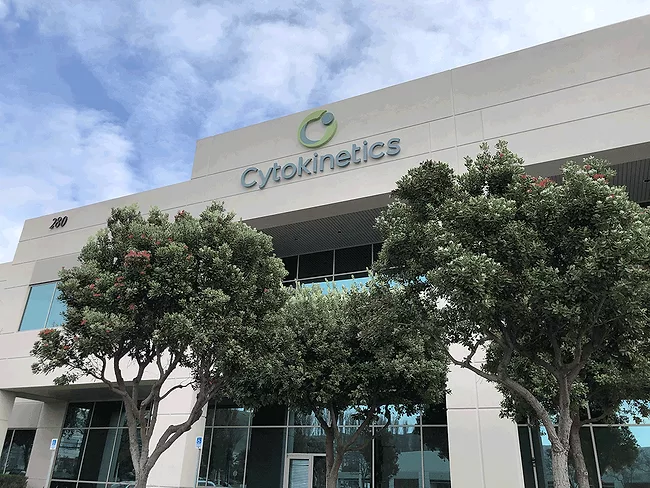
As the Feb. 28, 2023 PDUFA date for the compound nears, Cytokinetics Inc. CEO Robert Blum insisted that his firm is not mulling withdrawal of the marketing application for heart failure drug omecamtiv mecarbil, nor is the company now considering another study, after an unfavorable vote on the drug Dec. 13 by the U.S. FDA’s Cardiovascular and Renal Drugs Advisory Committee.
As largely expected, Mirati Therapeutics Inc.’s adagrasib gained U.S. FDA accelerated approval ahead of its Dec. 14 PDUFA date, cleared for second-line use in patients with non-small-cell lung cancer (NSCLC) harboring the KRAS G12C mutation, in which it will go up ahead Amgen Inc.’s Lumakras (sotorasib), which has the advantage of a year and a half head start.

 RSS
RSS