Eli Lilly and Co. has the dubious distinction of receiving the first untitled letter in 2022 from the FDA’s Office of Prescription Drug Promotion. The letter, sent Jan. 19 and posted this week, takes the Indianapolis-based company to task for an Instagram ad promoting Lilly’s diabetes drug Trulicity (dulaglutide).
Medtronic plc received FDA premarket approval Friday for use of its Intellis rechargeable and Vanta recharge-free neurostimulators in patients with diabetic peripheral neuropathy (DPN), suddenly tripling the number of spinal cord stimulators approved for the indication. Medtronic’s implantable spinal cord stimulators (SCS) now join Nevro Corp.’s HFX, which has had the distinction since July 2021 of being the only device with FDA approval for DPN, also known as painful diabetic neuropathy (PDN).
The FDA announced a class I recall of the Medtronic Hawk One directional atherectomy catheter system due to more than 160 reports of problems with the device’s guidewire. The catheter tip could break or separate when the guidewire prolapses, a problem that is associated with 55 injuries and no deaths, but the recall affects more than 95,000 units.
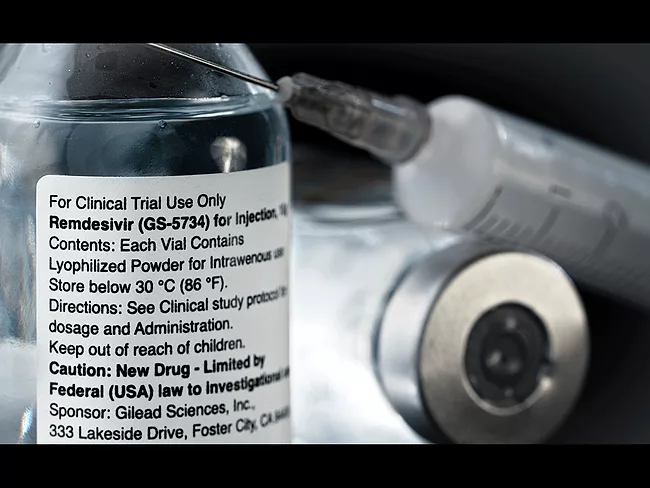
Once again, the U.S. FDA giveth and it taketh away. Just a few days after expanding its approval for Gilead Sciences Inc.’s Veklury (remdesivir) to provide access to more people infected with COVID-19, the FDA essentially shut down the use of two monoclonal antibody (mAb) treatments Jan. 24 that had been authorized to treat mild-to-moderate COVID-19 infections – Regeneron Inc.’s Regen-Cov (Ronapreve in Europe), an antibody cocktail of casirivimab and imdevimab, and Eli Lilly and Co.’s bamlanivimab and etesevimab that are administered together.
In late February 2021, Oncopeptides AB scored a big win on the FDA’s accelerated approval for the first cancer peptide-drug conjugate, Pepaxto (melphalan flufenamide), in multiple myeloma. Less than eight months later, it was shutting down commercial operations and heading back to the drawing board after safety issues emerging in the confirmatory Ocean study prompted the Stockholm-based firm to pull Pepaxto from the market, just ahead of what was likely to be a negative FDA advisory panel vote.
Despite success in other parts of the world, Opko Health Inc. and Pfizer Inc. are still struggling to gain U.S. FDA approval for the recombinant human growth hormone somatrogon in treating pediatric patients, drawing a complete response letter (CRL) with their BLA. The delay caused by the setback gives Skytrofa (lonapegsomatropin) from Ascendis Pharma A/S a chance to charge even further ahead in the pediatric market.
Merck & Co Inc. has had a setback with its chronic cough drug gefapixant after the FDA rejected its NDA, a decision that also briefly hit the share price of rival Bellus Health Inc. before it regained market traction late Jan. 24. The FDA had been reviewing gefapixant since March 2021, but the regulator is now asking for additional information related to measurement of efficacy in a dreaded complete response letter. Merck said the response was not related to the safety of gefapixant, a P2X3 receptor antagonist, under development for treatment of refractory chronic cough (RCC) or unexplained chronic cough in adults. Shares in Merck (NYSE:MRK) ticked down 1.4% to $78.86 while Bellus Health shares (NASDAQ:BLU) rose by 1.8% to $5.66.
The FDA posted a recall of a vaporizer unit that is used in several anesthesia gas machines distributed by Getinge USA Sales LLC, of Wayne, N.J., an issue that has triggered eight complaints. While no injuries or deaths have been reported, this is a class I recall due to the prospect that the problem can trigger irritation of the lung as well as pulmonary edema.
The COVID-19 pandemic has hit supplies and devices across a broad range of categories over the past two years, and the latest addition to the list is the blood collection tube. The FDA announced that this shortage affects all types of blood collection tubes, thus affecting tubes for all uses, not just those used for testing for the SARS-CoV-2 virus.
With an eye on promoting innovation in complex innovative trial designs, the U.S. FDA published a series of case study examples Jan. 18 from its CID Pilot Meeting Program.
 RSS
RSS