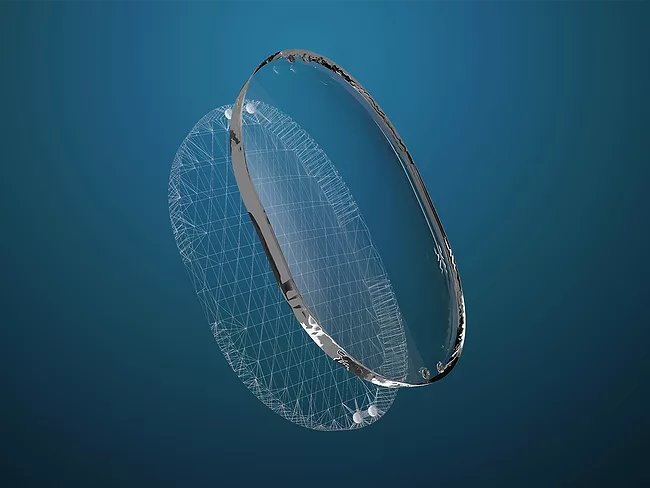
Longeviti Neuro Solutions LLC has received the U.S. FDA’s nod for use of its Clearfit cranial implant with postoperative ultrasound imaging. The expanded 510(k) clearance could help in reducing radiation exposure linked to other post-neurosurgical imaging modalities. Research has shown that current methods of post-neurosurgical imaging put patients at risk of radiation exposure, and that an estimated 29,000 future cancers could be linked to CT scan used in the U.S. each year. Comprised of polymethyl-methacrylate (PMMA), Clearfit is a neuro-reconstructive implant that surgeons use to reconstruct a patient’s cranium following brain surgery.
The latest global regulatory news, changes and updates affecting medical devices and technologies, including: Epigenomics out in Medicare NCD for CRC screening; TGA tweaks registration process for class I goods; Global initiative to take on Alzheimer’s; More on EMA cyberattack.
Veralox Therapeutics Inc., a Maryland-based startup developing a small molecule for halting aberrant platelet activation and thrombosis, said the FDA has granted the candidate, VLX-1005, orphan drug status for the treatment of heparin-induced thrombocytopenia (HIT).
Following the FDA giving the green light to seven new medicines in December, it brought the approval total of new molecular entities (NMEs) in 2020 to 53, an amount that equals the number of new medicines that were approved in 1996 and ranking it second equal all-time just behind the 59 NMEs that were approved in 2018.
Theranica Bioelectronics Ltd. has snagged an expanded clearance from the U.S. FDA for use of its smartphone-controlled Nerivio device to treat migraines in adolescents. The new indication, for acute treatment of episodic or chronic migraine in people 12 years and older, is supported by a study published last month in the journal Headache.
Aurinia Pharmaceuticals Inc. got its first drug approval with the FDA’s nod to Lupkynis (voclosporin) for treating active lupus nephritis in adults. It’s the first FDA-approved oral therapy for the indication and the second approval in little more than a month for those patients, following the agency’s Dec. 17 approval of Glaxosmithkline plc’s Benlysta (belimumab), for treating active LN.
The portable hemodialysis market is heating up. For example, Quanta Dialysis Technologies Ltd. recently made a splash by receiving clearance from the U.S. FDA to market its portable hemodialysis system SC+. According to the Alcester, U.K.-based company, SC+ can deliver the higher dialysate flow rates typically used to provide conventional three-times-a-week prescriptions, while also offering the flexibility for more frequent, longer and gentler treatments tailored to patients’ needs.
Boston Scientific Corp. has received a thumbs up from the U.S. FDA for its fourth-generation Vercise Genus deep brain stimulation (DBS) system. The neuromodulation device, which comes in both rechargeable and nonrechargeable versions, is intended to treat the symptoms of Parkinson’s disease. Vercise Genus is indicated for use in the bilateral stimulation of subthalamic nucleus as an adjunctive therapy in alleviating some of the symptoms of moderate to advanced lepodova-responsive Parkinson’s disease that are not adequately controlled by medication. It also has indications for bilateral stimulation of the globus pallidus.
The latest global regulatory news, changes and updates affecting medical devices and technologies, including: Advamed urges administration to communicate on DPA; FDA posts third-party report for Q1, FY 2021.
The latest global regulatory news, changes and updates affecting medical devices and technologies, including: Hahn out, Woodcock in as acting FDA commissioner; White House orders regulatory freeze.
 RSS
RSS