Latest findings on Healios K.K.’s stem cell therapy to treat acute respiratory distress syndrome (ARDS), coined Multistem (invimestrocel; HLCM-051), found the regenerative medicine effective in reducing the number of patient days on ventilator treatment, as well as mortality benefits.
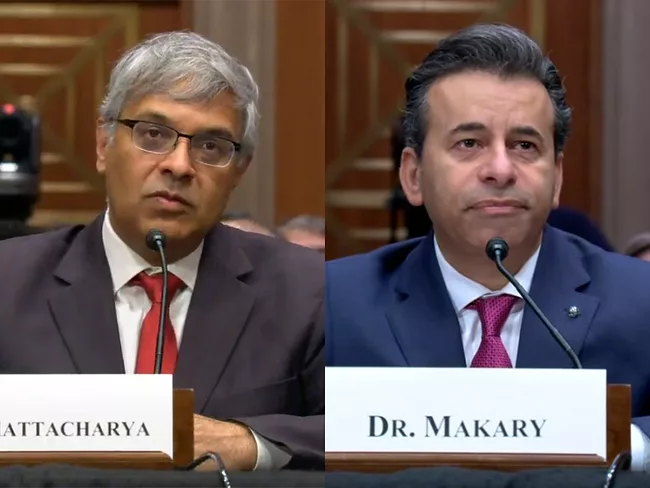
As expected, the U.S. Senate Health, Education, Labor and Pensions Committee voted March 13 to send the nominations of Jay Bhattacharya as NIH director and Martin Makary as FDA commissioner to the Senate floor for confirmation. Bhattacharya received a narrow 12-11 party-line vote, but Makary picked up some Democratic support to secure a 14-9 vote.
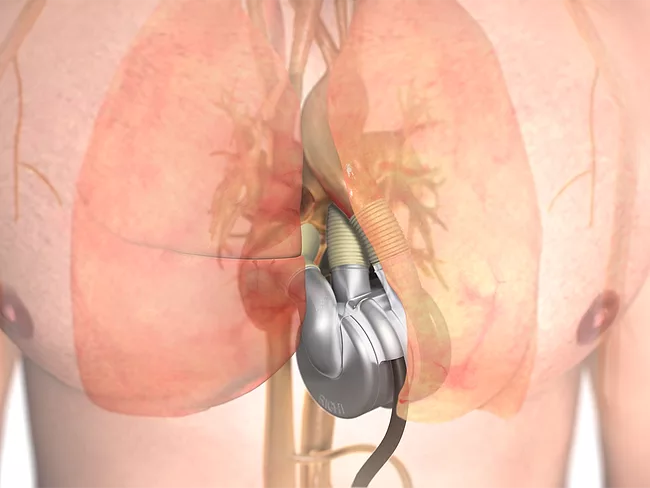
An Australian man in his 40s with severe heart failure was implanted with a Bivacor Inc. total artificial heart (TAH) and has been discharged from the hospital. He remained at home with the artificial heart for 100 days until he received a transplant earlier this week.
The U.S. FDA’s January 2025 draft guidance for test validation in public health emergencies drew only six responses, but pointed responses they were, indeed. As an example, the Association for Molecular Pathology (AMP) said the draft’s recommendation for the use of 30 positive and 30 negative (30/30) samples for validation of lab-developed tests is likely to hamper test availability in an emergent situation, a time when samples are likely to be difficult to obtain.
Celltrion Inc. is on a biosimilar roll with the U.S. FDA this month, having gained clearance of Stoboclo and Osenvelt as products referencing Amgen Inc.’s biologic, denosumab (Prolia, Xgeva), along with Omlyclo becoming the first and only interchangeable biosimilar to omalizumab (Xolair, Genentech Inc. and Novartis AG).
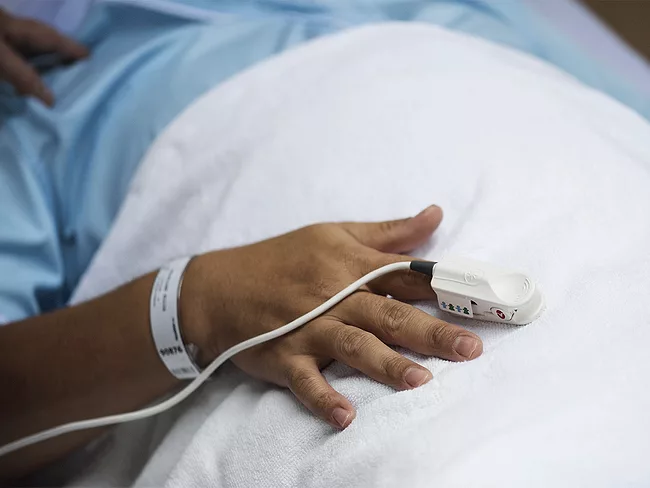
The U.S. FDA’s latest draft guidance on pulse oximeters drew comment from the International Standards Organization and the International Electrotechnical Commission, which are making the case that in addition to differences in pigmentation, the pulsatility of the tissue in contact with the device is also a factor in device performance.
Sagimet Biosciences Inc. has obtained IND clearance from the FDA for TVB-3567 (ASC-60), a selective small-molecule fatty acid synthase (FASN) inhibitor set to enter clinical development for the treatment of acne. A first-in-human phase I trial of TVB-3567 in individuals with or without acne is expected to begin this year.
In another real-life episode of “sponsor beware,” the owners of a clinical research facility pleaded guilty March 10 in U.S. district court to fraud charges resulting from their conduct of two clinical trials for potential asthma drugs.
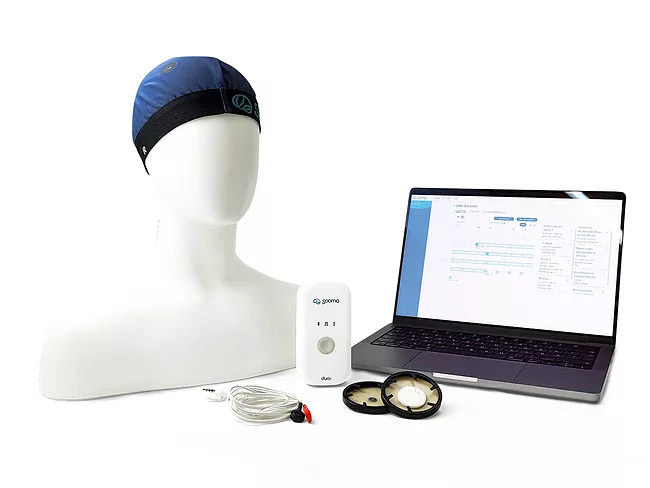
Sooma Oy secured U.S. FDA investigational device exemption approval to initiate a pivotal study of its transcranial direct current stimulation medical device in people with major depressive disorder. The study will examine the efficacy of the non-invasive Sooma 2Gen device in improving MDD as an at-home treatment.
Mindrank Ltd. has announced that the FDA has cleared the company’s IND application for MRANK-106, a potentially first-in-class, orally available dual inhibitor of WEE1 and YES1 kinases, for the treatment of pancreatic cancer, small-cell lung cancer, ovarian cancer, breast cancer and colorectal cancer.
 RSS
RSS