Researchers from the National Institutes of Health recently presented preclinical data for the dopamine D3 receptor antagonist VK-4-116, which has potential for the treatment of opioid use disorder (OUD).
Since episodes of idiopathic anaphylaxis (IA) are often accompanied by gastrointestinal (GI) manifestations, researchers from the National Institutes of Health aimed to investigate whether surrogate markers of GI permeability are aberrant in patients with IA.
An ongoing outbreak of mpox, a viral disease of zoonotic origin, was confirmed in May 2022 and has affected many countries worldwide. The spread of the virus is due to human-to-human transmission, but it remains unclear whether the responsible mpox strain is adapting to a new host.
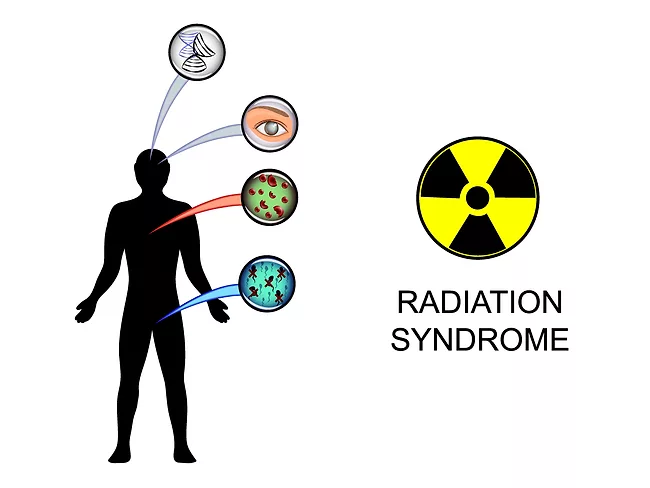
Redhill Biopharma Ltd.'s opaganib hydrochloride (ABC-294640) has been selected by the Radiation and Nuclear Countermeasures Program (RNCP), of the National Institute of Allergy and Infectious Diseases (NIAID), part of the National Institutes of Health (NIH), for the nuclear medical countermeasures product development pipeline as a potential treatment for acute radiation syndrome (ARS).
Scientists from the National Institutes of Health and affiliated organizations established a novel mouse model of intraventricular extension of hemorrhage (IVH) for the purpose of measuring motor and cognitive function in acute and chronic stages of intracerebral hemorrhage, which is the most severe stroke subtype.
UC Davis Comprehensive Cancer Center is partnering with Targagenix Inc. and Northeastern University to study pancreatic ductal adenocarcinoma (PDAC). The partnership will receive nearly US$3 million over 5 years through funding from the National Institutes of Health (NIH).
The Biotechnology Innovation Organization (BIO) found in a new study that 77% of clinical programs focused on pain therapeutics five years ago are no longer active and that financings of companies working in the space are lackluster at best. Meanwhile, oncology companies, targeting an overall smaller market, have raised huge sums of venture capital money, $9.7 billion in 2021 vs. pain and addiction companies’ $228 million.
Bone-resorbing osteoclasts are key players in bone remodeling and their dysfunction has been implicated in several bone disorders such as fibrous dysplasia. Osteoclasts derive from monocytes stimulated by several cytokines, such as M-CSF and RANKL.
The U.S. Department of Health and Human Services received low marks on its latest Government Accountability Office (GAO) report card for its oversight of high-risk research involving potential pandemic pathogens, but legislative fixes might be necessary to ensure that all the gaps are closed.
Tucked into the 4,155-page, $1.7 trillion spending bill for fiscal 2023 that U.S. President Joe Biden signed into law Dec. 23 is a small provision that may have outsized impact on future biosimilar and other drug development. Championed by lawmakers on both sides of the political spectrum, the provision modernizes the data that can be used to support drug development, including alternatives to animal studies.

 RSS
RSS