Preventive medicine hasn’t always had the backing of hard data, but research into genomics at the U.S. National Institutes of Health may soon change that. Evan Eichler of the Howard Hughes Medical Institute said on a recent NIH webinar that phased genome assembly may allow medical science to efficiently treat diseases caused by genetic disorders, but will also enable preventive medicine, the holy grail of those who seek to restrain the ever-increasing cost of medical care.
Opticyte Inc., a medical device startup, is planning the first clinical trial of its cellular oxygen monitor, a new device that could help emergency physicians diagnose sepsis faster and prevent organ failure. The prospective, observational trial is set to launch in mid-2021.
The latest global regulatory news, changes and updates affecting medical devices and technologies, including: HHS examines device classification process at FDA; NIH offers NGS system for SARS-CoV-2; FDA issues pandemic policy for coagulation systems.
The latest global regulatory news, changes and updates affecting medical devices and technologies, including: New test beats biopsy for transplant rejection; NICE eyes digital health HTAs; MHRA moves on the hazards of bedrails; TGA zeroes in on tests for COVID-19; HHS posts rule for agency enforcement action.
The latest global regulatory news, changes and updates affecting medical devices and technologies, including: CMS unveils push toward digital collection of quality measures; NIH awards for ‘outside-the-box’ projects under RADx; ISO posts IP management standard.
After nearly three months of the U.S. federal government operating on stopgap spending measures, Congress has agreed to a $1.4 trillion spending bill for fiscal 2021. The omnibus package, which includes $97 billion for the Department of Health and Human Services, gives both the FDA and NIH small increases in funding.
An NIH-sponsored phase III trial testing Eli Lilly and Co.'s SARS-CoV-2 neutralizing antibody candidate, LY-CoV555, alongside the Gilead Sciences Inc. antiviral Veklury (remdesivir) has been paused at the request of its data safety monitoring board, the company told BioWorld.
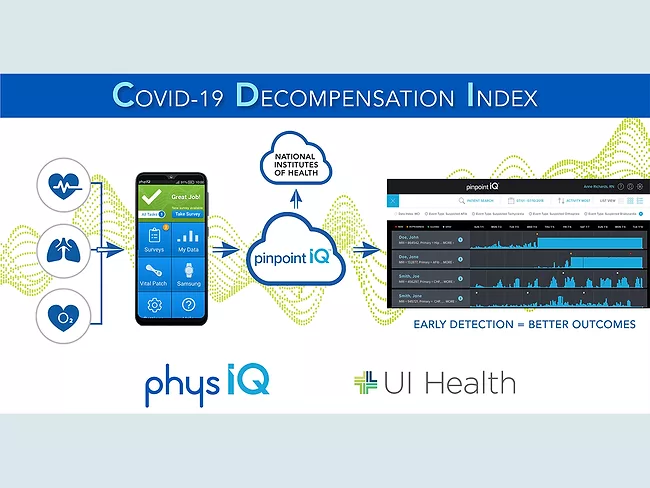
The digital medicine company Physiq Inc. has received a contract from the NIH to develop an artificial intelligence (AI)-based index that can provide an early warning that a patient with COVID-19 is in decline and needs medical treatment. The index, called the COVID-19 Decompensation Index (CDI) Digital Biomarker, will run on Physiq’s existing Accelerateiq computing platform, analyzing physiological data from FDA-cleared wearable devices to create a personalized baseline for patients who have tested positive for COVID-19.
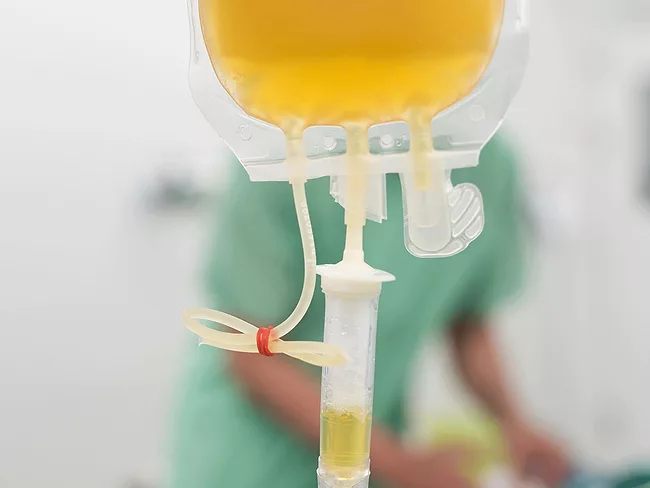
While the emergency use authorization (EUA) the FDA granted Aug. 23 for convalescent plasma remains a political talking point, the agency moved ahead Sept. 2, issuing an updated, immediately effective guidance on the use of convalescent plasma to treat COVID-19 patients in ongoing clinical trials, on an expanded access basis or under the EUA.
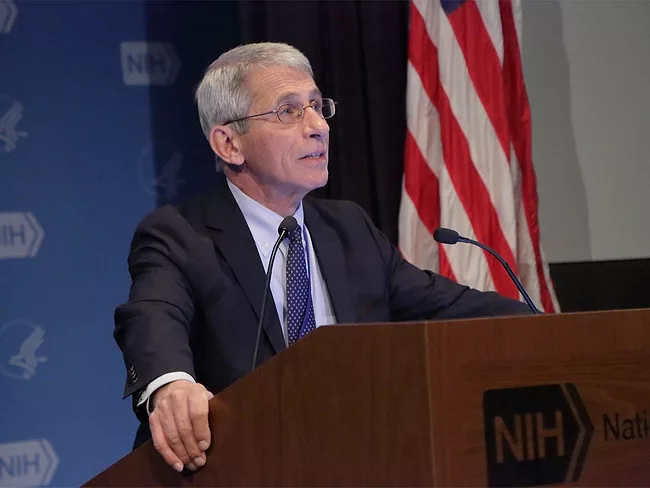
The issue of the U.S. federal government’s response to the COVID-19 pandemic was revisited yet again in a hearing in the House of Representatives. While partisanship was on full display, Anthony Fauci, director of the National Institute of Allergy and Infectious Diseases, said he is “cautiously optimistic” about the prospects for a vaccine and that the development of candidates has not compromised scientific principles.
 RSS
RSS