A new study from researchers at Aevisbio Inc. and the National Institutes of Health on the effect of 3,6’-dithiopomalidomide on neuroinflammation adds new detail to what might one day become a significant new therapeutic strategy to treat Alzheimer's disease and other neurological disorders.
A new study from researchers at Aevisbio Inc. and the National Institutes of Health on the effect of 3,6’-dithiopomalidomide on neuroinflammation adds new detail to what might one day become a significant new therapeutic strategy to treat Alzheimer's disease and other neurological disorders.
As the Biden administration continues to play musical chairs with key U.S. federal health leadership positions, its latest move is naming Francis Collins to serve as science adviser to the president and co-chair of the President’s Council of Advisers on Science and Technology.
The grantmaking process at the U.S. National Institutes of Health has been under scrutiny for several years for several reasons, and a new report by the Office of Inspector General (OIG) indicates that the NIH’s National Cancer Institute (NCI) has generally administered its grants properly. However, the report also indicates that some grantees were tardy in filing their final reports on grant performance, a problem that NCI has vowed to correct with tighter supervision of those grants.
Witnesses at a Feb. 8 hearing in the U.S. Congress emphasized that the proposed Advanced Research Projects Agency – Health (ARPA-H) must be an independent agency to avoid a crippling case of bureaucratic torpor. However, several members of Congress and one of the witnesses made the case that ARPA-H would increase duplicative taxpayer spending without providing a commensurate increase in productive research in the life sciences, signaling that establishment of this new DARPA-like agency is anything but guaranteed.
The FDA posted a recall of a vaporizer unit that is used in several anesthesia gas machines distributed by Getinge USA Sales LLC, of Wayne, N.J., an issue that has triggered eight complaints. While no injuries or deaths have been reported, this is a class I recall due to the prospect that the problem can trigger irritation of the lung as well as pulmonary edema.
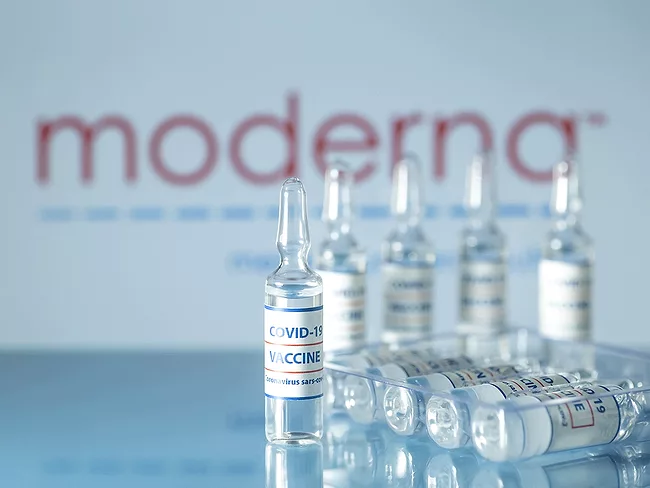
The U.S. NIH said it will go to court if necessary to defend its role in developing Moderna Inc.’s COVID-19 vaccine. NIH spokeswoman Renate Myles told BioWorld that the agency “is not giving up on our claim that NIH is a co-inventor on the mRNA technology used in the Moderna’s COVID-19 vaccine but defers to legal authorities on how this might be resolved.”
Targeting the thousands of rare inherited diseases that have no treatments in the U.S., a newly launched public-private group plans to pursue efforts to optimize and streamline the gene therapy development process.
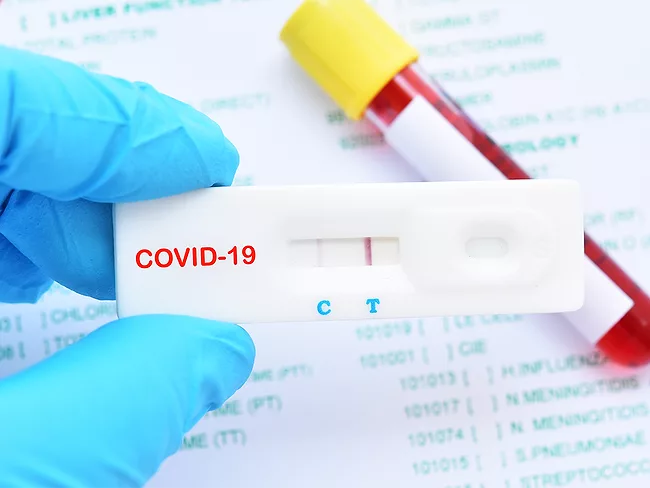
The U.S. National Institutes of Health reported Oct. 14 that it has awarded contracts in the amount of $77.7 million for development and manufacture of a dozen new rapid tests for the SARS-CoV-2 virus. The monies were awarded under the NIH’s Rapid Development of Diagnostics (RADx) program, and will add seven viral antigen detection and five viral RNA detection tests to the suite of offerings. all with an eye toward more rapid turn-around of test results. The news of the new round of RADx grants was followed by 24 hours the announcement that the Department of Health and Human Services has extended the public health emergency (PHE) for the COVID-19 pandemic for another three months.
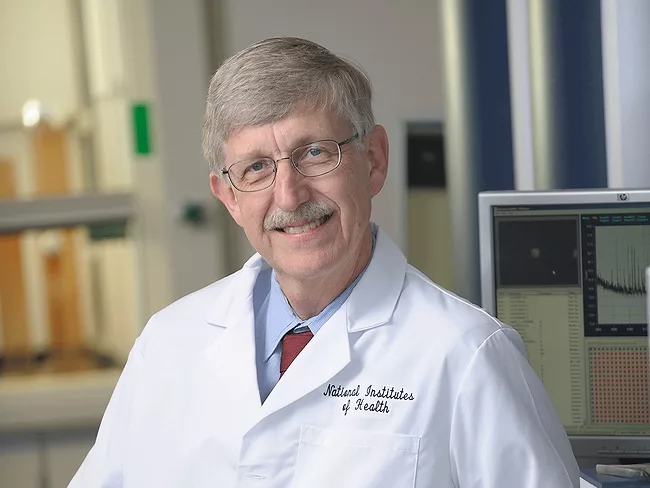
Francis Collins, perhaps one of the U.S.’ biggest cheerleaders for the promise of medical science, announced Oct. 5 that he will be ending his nearly 13-year tenure as NIH director by the end of the year, but he won’t be hanging up his lab coat. The 71-year-old Collins will continue to lead his research lab at the NIH’s National Human Genome Research Institute.
 RSS
RSS