Arvinas Operations Inc. has disclosed proteolysis targeting chimera (PROTAC) compounds consisting of a cereblon E3 ubiquitin ligase binding moiety coupled to a Raf kinase B G466V and/or V600E mutant targeting agent through a linker.
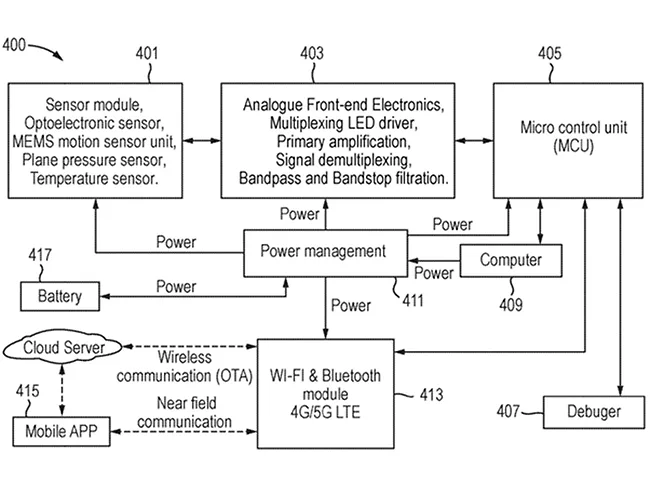
Carelight Ltd. reported seeking protection for a wearable real time opto-physiological monitoring system for monitoring heart rate, respiration rate, oxygen saturation, blood pressure, heart rate variability, pulse wave velocity, and body temperature.
Vertex Pharmaceuticals Inc. has described α1-antitrypsin (SERPINA1) (Z-mutant) polymerization inhibitors reported to be useful for the treatment of α1-antitrypsin (AAT) deficiency.
Bridge Medicines LLC has divulged protein ENL (MLLT1; YEATS1) and/or FLT3 (FLK2/STK1) inhibitors potentially useful for the treatment of acute lymphocytic leukemia and acute myeloid leukemia.
Ono Pharmaceutical Co Ltd. has identified diacylglycerol kinase α (DGK-α, DGKA) and/or diacylglycerol kinase ζ (DGK-ζ, DGKZ) inhibitors reported to be useful for the treatment of cancer.
Neuron23 Inc. has synthesized leucine-rich repeat kinase 2 (LRRK2; dardarin) inhibitors reported to be useful for the treatment of cancer, neurodegeneration and Parkinson’s disease.
In a departure from its focus on using implanted electrodes to treat urinary incontinence, Amber Therapeutics Ltd. has filed for protection of similar approaches to treat sexual dysfunction and pelvic pain.
Exscientia plc has described NLRP3 inflammasome inhibitors reported to be useful for the treatment of atherosclerosis, autoimmune disease, cancer, gout, inflammatory and neurological disorders, psoriasis and sickle cell disease.

 RSS
RSS