Sudo Biosciences Ltd. has divulged non-receptor tyrosine-protein kinase TYK2 inhibitors reported to be useful for the treatment of scleroderma, radiographic ankylosing spondylitis, type 1 diabetes, idiopathic pulmonary fibrosis, multiple sclerosis, psoriasis, rheumatoid arthritis, Sjögren’s syndrome and systemic lupus erythematosus, among others.
Suven Life Sciences Ltd. has identified 5-HT1A receptor agonists and 5-HT2A receptor antagonists reported to be useful for the treatment of depression, insomnia, schizophrenia, bipolar and cognitive disorders.
Zhejiang Wenda Pharma Technology Ltd. has synthesized poly (ADP-ribose) polymerase-1 (PARP-1; ARTD1) inhibitors reported to be useful for the treatment of autoimmune disease, cancer and inflammatory disorders.
Humanwell Healthcare (Group) Co. Ltd. has disclosed microtubule destabilizers (tubulin polymerization inhibitors) reported to be useful for the treatment of anemia, asthma, atherosclerosis and rheumatoid arthritis, among others.
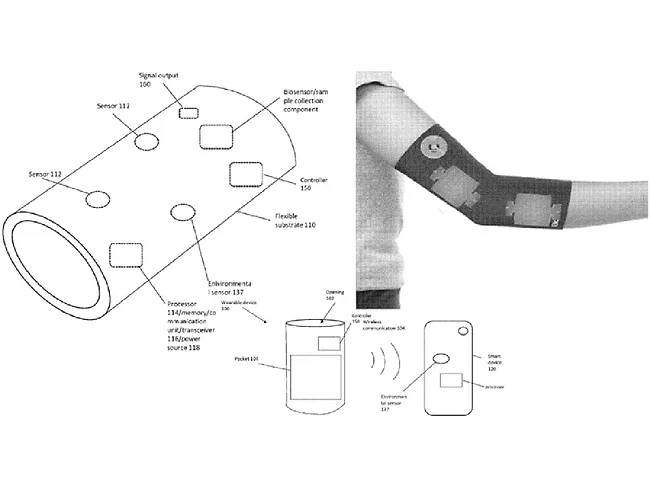
The latest filing from Orlando-based Noble International Inc.—an Aptar Pharma company—hints at the development of a new category of medical devices. Best known for its medical device training solutions and patient onboarding strategies, Noble filed for protection of a compression sleeve for monitoring and treating rheumatic disorders.
Legochem Biosciences Inc. has described ectonucleotide pyrophosphatase/phosphodiesterase family member 2 (ENPP2; autotaxin) inhibitors reported to be useful for the treatment of cancer, diabetes, fibrosis, obesity, liver diseases and neurological, cardiovascular and renal disorders.
Hotspot Therapeutics Inc. has identified diazepino-thieno-quinoxaline compounds acting as MAP kinase-activated protein kinase 2 (MAPKAPK2; MK2) inhibitors reported to be useful for the treatment of cancer, arthritis, asthma, psoriasis, inflammatory bowel disease, multiple sclerosis, myasthenia gravis and inflammatory disorders.
Simcere Zaiming Pharmaceutical Co. Ltd. has synthesized tricyclic compounds acting as ubiquitin carboxyl-terminal hydrolase 1 (USP1) inhibitors reported to be useful for the treatment of cancer.
Molecure SA has disclosed ubiquitin C-terminal hydrolase 7 (USP7; HAUSP) inhibitors reported to be useful for the treatment of cancer, infections, neurodegeneration, gastrointestinal, metabolic, immunological and cardiovascular disorders, as well as sexual function, breast and reproduction disorders, among others.

 RSS
RSS