Alchemedicine Inc. has divulged aldehyde dehydrogenase 2 (ALDH2) activators reported to be useful for the treatment of pain, cancer, ischemia-reperfusion injury, nonalcoholic fatty liver disease, peripheral arterial disease, Fanconi anemia, Parkinson’s and Alzheimer’s disease, among others.
Shanghai Sinotau Biotech Co. Ltd. has synthesized tyrosine-protein phosphatase non-receptor type 13 (PTPN13; FAP-1; PTP-1E) inhibitors reported to be useful for the treatment of cancer, inflammation, atherosclerosis, fibrosis and keloid.
Blacksmith Medicines Inc. has disclosed glutaminyl-peptide cyclotransferase-like protein (QPCTL; IsoQC) inhibitors reported to be useful for the treatment of cancer, rheumatoid arthritis, inflammatory bowel disease, multiple sclerosis, psoriasis, chronic obstructive pulmonary disease, atherosclerosis and Alzheimer’s disease, among others.
The America Invents Act of 2011 was designed to provide a durable overhaul of the U.S. patent system, but the inter partes review (IPR) process has drawn fire from inventors as a patent-killing machine. The Senate is considering a new bill to address some of these concerns, but witnesses at a hearing this week were anything but united in their assessment of the status quo, making it difficult to forecast the fate of this latest effort at patent reform.
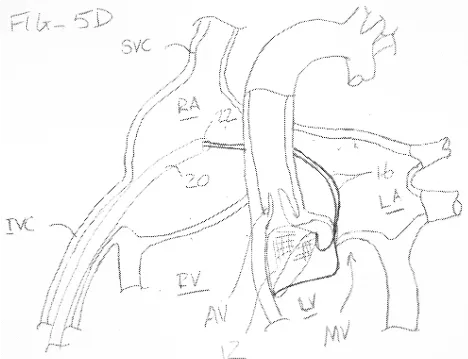
Emboline Inc. is seeking patent protection for methods and apparatus for embolic protection during cardiac procedures being performed on atrial outlet valves, namely, the mitral and tricuspid valves.
A Shanghai Qilu Pharmaceutical Research and Development Centre Ltd. patent describes new ectonucleotide pyrophosphatase/phosphodiesterase family member 1 (ENPP1) inhibitors reported to be useful for the treatment of cancer
Work at Beijing Tide Pharmaceutical Co. Ltd. has led to the development of proteolysis targeting chimera (PROTAC) compounds comprising an E3 ubiquitin ligase binding moiety coupled to an EGFR (HER1; erbB1)-targeting moiety through a linker.
Mindset Pharma Inc. has patented new indoline derivatives acting as 5-HT1A receptor agonists and thus reported to be useful for the treatment of neurological and psychiatric disorders.

 RSS
RSS