SARS-CoV-2 utilizes the angiotensin-converting enzyme 2 (ACE2) receptor for cell entry and triggers ACE2 ectodomain shedding, which results in elevated vasoconstrictor angiotensin II (Ang-II) while depleting the protective Ang-(1-7). This effect can lead to acute respiratory distress syndrome, hypertension, acute kidney injury and organ damage.
Researchers from the University of Naples Federico II (Italy) and collaborating institutions reportedd the design of a next-generation mRNA vaccine that leverages a phylogenetically informed consensus receptor binding domain heterotrimers representing the major variant lineages.
Centre Hospitalier Regional Universitaire de Lille has patented new 3C-like proteinase (3CLpro; Mpro; nsp5) (SARS-CoV-2; COVID-19 virus) inhibitors reported to be useful for the treatment of SARS-CoV-2 infection (COVID-19).
Nxera Pharma UK Ltd. has divulged 3C-like proteinase (3CLpro; Mpro; nsp5) (SARS-CoV-2; COVID-19 virus) inhibitors reported to be useful for the treatment of SARS-CoV-2 infection (COVID-19).
BioWorld’s 2022 end-of-year highlights included a toast to the future – of universal vaccines. Even before SARS-CoV-2 vaccines were developed in record time and saved countless lives during the COVID-19 pandemic, vaccines were a rare bright spot in the fight against infectious diseases. Bacteria are becoming multidrug resistant far faster than new classes of antibiotics are being developed, viral spillover events and vector ranges are increasing, and climate change is helping bacteria and fungi alike breach human thermal protections against infections.
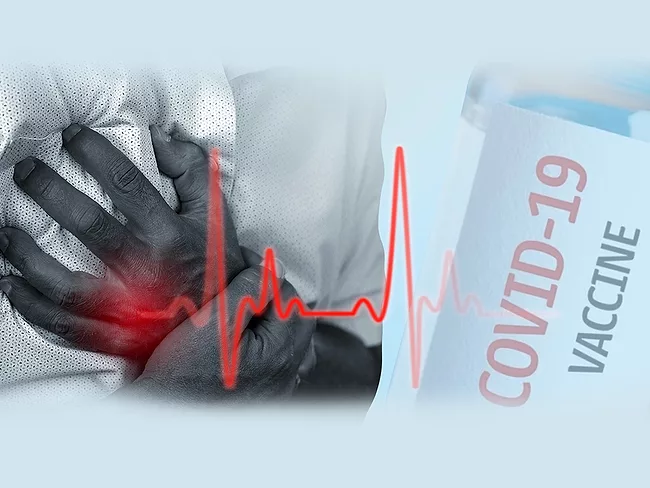
The cardiomyositis that is a rare adverse effect of mRNA-based COVID vaccines is due to immune cell activity as a result of increased levels of the chemokines CXCL10 and interferon-γ (IFN-γ). Blocking CXCL10 and IFN-γ could prevent muscle cell damage in cell culture, and cardiomyositis in animal models. The findings, reported in the Dec. 10, 2025, issue of Science Translational Medicine, suggest a way of mitigating the risk of cardiomyositis.
Aligos Therapeutics Inc. and Katholieke Universiteit Leuven (KU Leuken) have synthesized antiviral compounds reported to be useful for the treatment of coronavirus acute respiratory syndrome, norovirus and picornavirus infections.
GC Biopharma Corp. has filed an IND application with the South Korean Ministry of Food and Drug Safety (MFDS) for a phase I trial of GC-4006A, an mRNA vaccine candidate for COVID-19.
When Robert Kennedy Jr. announced the cancellation of 22 projects related to mRNA vaccines and the end of new investments in that technology, the U.S. Secretary of Health only mentioned their use against respiratory viruses, without referring to other applications. The vaccines whose safety and effectiveness Kennedy is questioning are based on the same molecular principles as cancer vaccines under development. “Continued investment in mRNA technology is essential to fully realize its potential in oncology and ensure that promising strategies like neoantigen-based vaccines reach clinical application.” Kazuhiro Kakimi, professor at the Department of Immunology at Kindai University Faculty of Medicine, told BioWorld.
 RSS
RSS