At the ECNP meeting this week in Barcelona, researchers from Cerevance Inc. presented preclinical data for the selective orexin OX1 receptor (OX1R) antagonist CVN-766, following evaluation in models of schizophrenia. The potency and selectivity of CVN-766 were assessed in recombinant cells overexpressing either human or mouse OXR1 or OXR2.
In a study published in Nature on Oct. 11, coinciding with the beginning of IDWeek 2023 in Boston, researchers from Harvard Medical School described EVEscape, a method for anticipating the movements of SARS‑CoV‑2 by predicting potential mutations likely to escape current vaccines and treatments.
A team from Atrogi AB has reported the activity of ATR-127, a novel dual adrenergic agonist targeting β2- and β3-adrenoceptors (ARs), for the potential treatment of steatohepatitis, obesity and diabetes.
Researchers from Yuhan Corp. presented the discovery and preclinical evaluation of a novel long-acting dual agonist of the glucagon like peptide-1 (GLP-1) and growth differentiation factor 15 (GDF-15), YH-40863.
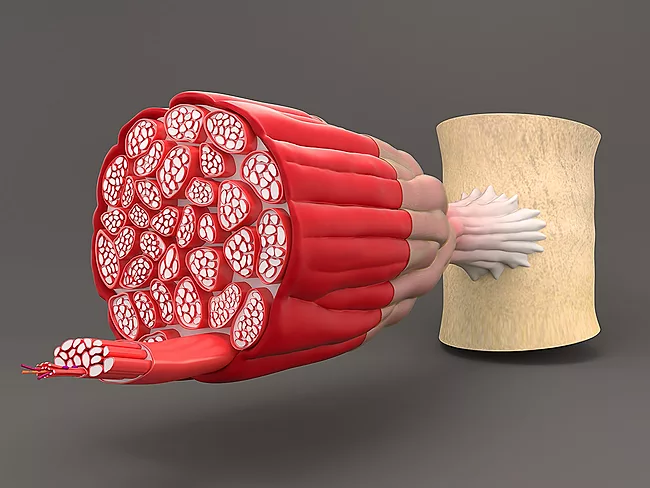
It has been previously demonstrated that therapeutic inhibition of the prostaglandin E2 (PGE2)-degrading enzyme, 15-prostaglandin dehydrogenase (15-PGDH), was able to improve muscle strength in aged mice. Researchers from Epirium Bio Inc. have now reported the discovery and preclinical characterization an orally bioavailable small molecule inhibitor of 15-PGDH – MF-300 – being developed for the treatment of neuromuscular dysfunction.
Researchers from Heinrich-Heine-Universität Düsseldorf and affiliated organizations presented data from a study that aimed to identify novel neurological biomarkers in distal sensorimotor polyneuropathy (DSPN).
For individuals who develop an unexpected psychosis, there is something to be said for testing them for autoimmune antibodies. And something against. At the 36th Congress of the European College of Neuropsychopharmacology (ECNP) this week, the topic was worth a controversy session, where speakers presented the pros and cons of the approach. Currently used tests have a specificity of 99%. But as Ester Coutinho, consultant neurologist at the University of Coimbra, pointed out, the validity of diagnostic tests depends on the prevalence of the disorder one is looking for as well. Coutinho estimated that autoimmune psychoses account for 1% of psychoses overall.
Researchers from the Universities of Malaga and Cordoba (Spain) presented data from a study that aimed to identify matrisome regulator miRNAs in obesity and prediabetes that could represent novel noninvasive circulating biomarkers of adipose tissue (AT) fibrosis.
While glucocorticoids are used as first-line therapy for Duchenne muscular dystrophy (DMD), these agents are associated with several adverse events, including accelerated bone loss and muscle atrophy. As a result, prolonged glucocorticoid treatment is one of the primary contributors to the high fracture rate in patients with DMD.
For most psychiatric illnesses, the precipitating event is mysterious. Many conditions are thought to result from a mix of genetic risk and environmental factors, but the specific trigger remains unknown. In post-traumatic stress disorder (PTSD), the environmental trigger is usually clear. In many cases, it is all the affected individuals can think about. “Intrusive reliving” of the triggering situation is one of the core features of PTSD.