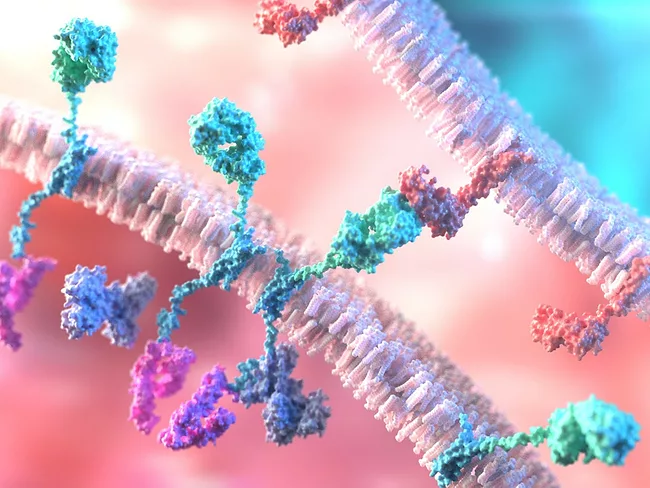
Researchers from Interius Biotherapeutics Inc. presented the development and preclinical evaluation of a novel gene therapy candidate, INT-2104, as potential candidate for the treatment of B-cell malignancies.
“From such a stick, such a splinter,” is a popular Spanish saying to explain how a son resembles his father. Like father, like son. The first Spotlight on Immuno-Oncology conference of the American Society of Gene & Cell Therapy (ASGCT) is the splinter of the ASGCT annual meeting, which brought together a group of experts in this field. It took place on Aug. 1 and 2, 2023, starting with a series of talks on “B Cell Malignancies and Beyond.”
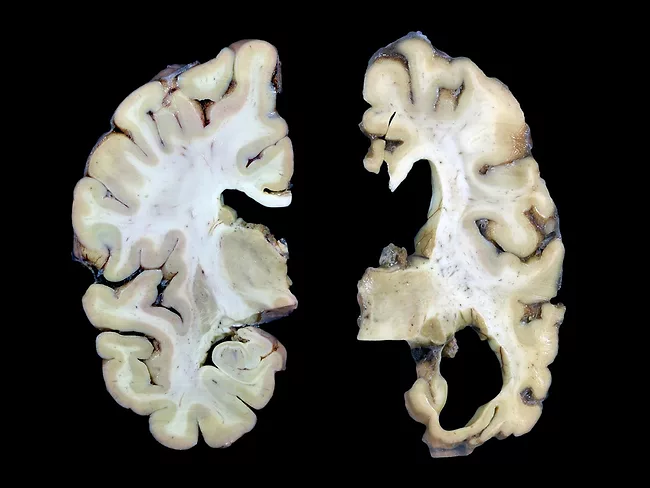
Researchers from Arizona State University presented preclinical data for the novel dual specificity tyrosine phosphorylation kinase 1a (DYRK1a) inhibitor DYR-533, being developed for the treatment of tauopathies, including Alzheimer’s disease (AD).
Although huge strides have been made with antiretroviral therapy (ART) and prevention since HIV was first reported 42 years ago, there is still not an effective preventive vaccine or a scalable cure for those living with HIV. But broadly neutralizing antibodies (bNAbs) look to be a further step down the pathway to a cure, speakers said during the International AIDS Society meeting held July 23 to 26 in Brisbane, Australia.
Giardia lamblia is a protozoan pathogen that colonizes the gastrointestinal tract and results in giardiasis. Recently, researchers from the University of California San Diego aimed to identify potent proteasome inhibitors that selectively target G. lamblia, as potential antigiardiasis therapeutics with low toxicity.
Researchers from the University of Texas and University of Tennessee set out to determine if the long noncoding RNA (lncRNA) MALAT1 (metastasis associated lung adenocarcinoma transcript 1), which is known to regulate a subset of genes involved in synaptic plasticity, cognitive function and memory, plays an important role in Alzheimer’s disease (AD) pathology.
Researchers from Harvard Medical School, Yale University and University of Leiden have uncovered two new potential biomarkers of dysregulated glucose metabolism in Alzheimer’s disease (AD). Glucose hypometabolism is consistently observed in AD but the molecular changes behind this are unclear. Findings from recent research have indicated dysregulation of glycolysis markers in AD cerebrospinal fluid (CSF) and tissue.
Plasmalogens are a type of phospholipid that play significant roles in membrane fluidity and cellular processes such as vesicular fusion and signal transduction. Previous studies with natural plasmalogens have shown their role in neuroinflammation and memory function improvement.
Several neurodegenerative disorders have TAR DNA-binding protein 43 (TDP-43) inclusions as a pathological hallmark; thus, the development of PET tracers able to detect TDP-43 aggregates is essential to advance the diagnosis and treatment monitoring in diseases such as frontotemporal dementia, amyotrophic lateral sclerosis and others.
 RSS
RSS