It seems unlikely that American poet and civil rights activist Maya Angelou spent much time thinking about translational research. But two quotes of hers capture the essence of the interplay between bench and bedside: “I did then what I knew how to do. Now that I know better, I do better” and “I’ve learned that I still have a lot to learn.” At the 2023 Annual Congress of the European Academy of Neurology, Mary Reilly described the relationship between bench and bedside as “a continuous circle of translation,” with each cycle beginning with patients and their needs.
National Taiwan University researchers reported the identification of a novel sorafenib derivative, SCB-24, which has the potential to be a new antimicrobial therapeutic.
Researchers from Virion Therapeutics LLC and The Wistar Institute presented preclinical data for VRON-0200, a novel therapeutic vaccine candidate being developed to achieve functional cure of chronic hepatitis B virus (HBV) infection.
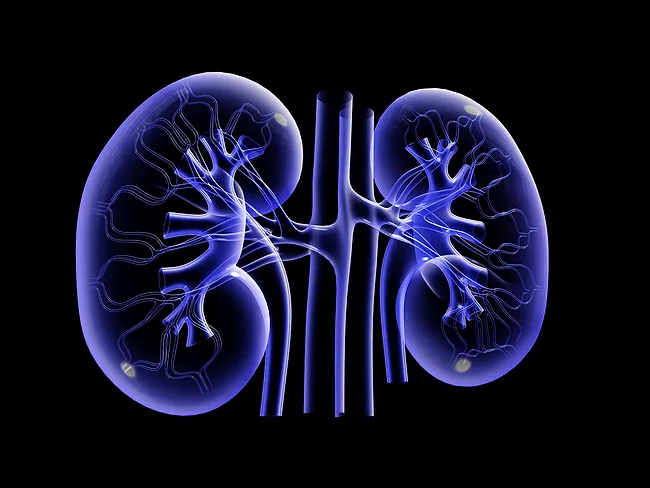
Cholemic nephropathy (CN) is an acute renal dysfunction that occurs after high bile acid (BA) levels provoke epithelial cell damage and tubular obstruction in the kidneys.
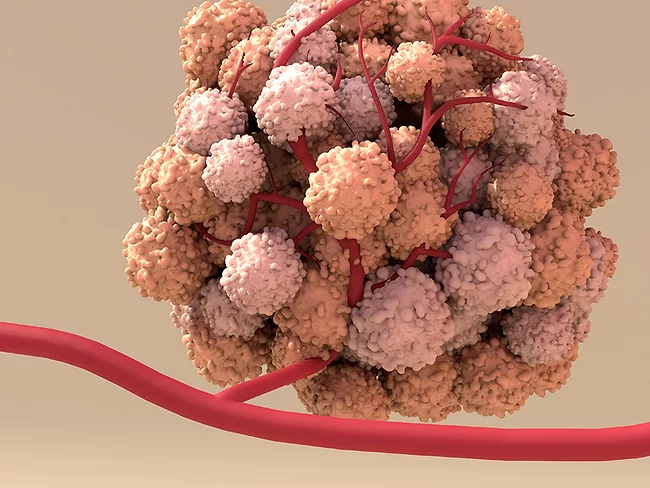
Because of its overexpression in many solid tumors, gastrin-releasing peptide receptor (GRPR) represents a promising therapeutic target and imaging marker for cancer. Gastrin-releasing peptide (GRP) and bombesin are the natural ligands for GRPR. To improve in vivo stability, researchers at the University of British Columbia synthesized two 68Ga-labeled GRPR agonists by replacing Val and His sequences in GPR(20-27) and bombesin(7-14) with Tle and NMe-His, respectively.
The fibroblast activation protein (FAP) is a known biomarker expressed on the surface of cancer-associated fibroblasts (CAF), as well as an important target that distinguishes normal fibroblasts from CAF. Researchers from National Yang-Ming University recently reported the discovery and preclinical evaluation of a novel PET tracer, [18F]FEQGP, being developed for the detection of FAB expression in CAF imaging.
Four-repeat (4R)-tauopathies are neurodegenerative diseases whose main hallmarks are brain accumulations of specific protein tau isoforms that lead to syndromes such as progressive supranuclear palsy (PSP) or corticobasal syndrome. There are yet no sensitive-enough PET tracers for 4R-tauopathies.
Artificial intelligence (AI) continues to entice. On the exhibition floor at the 2023 Congress of the European Academy of Neurology, one company’s booth featured “Mindart” technology. A passersby could answer a short series of prompts, and get a unique image based on the input made by generative AI. Entertainment aside, medically speaking, AI applications “are still research,” Riccardo Soffietti told his audience at one of several sessions devoted to AI. “But obviously, research is the future.”
Recent genome-wide association studies have elucidated a spliced variant (rs72613567:TA) in 17β-hydroxysteroid dehydrogenase 13 (HSD17B13) found to be associated with decreased risk of chronic liver disorders. The presence of this variant also correlates with delayed onset of autoimmune hepatitis in carriers.
Researchers from Enterin Inc. and affiliated organizations presented preclinical data for ENT-03, an endogenous spermine bile acid with PTP1B inhibitory activity, being developed as a therapy to normalize glycemia and reverse obesity.
 RSS
RSS