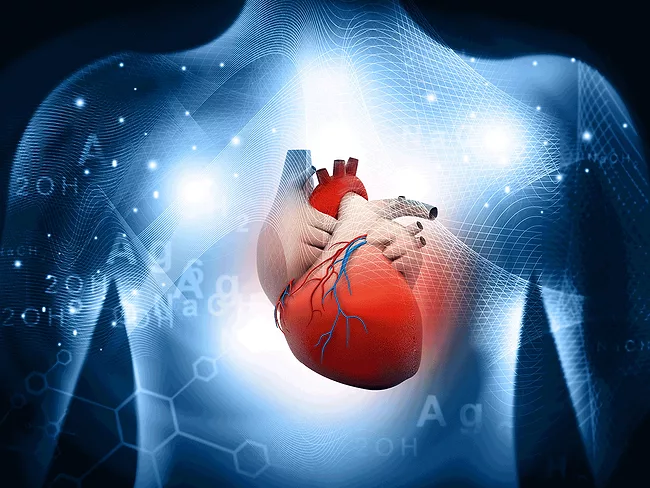
Investigators from Foresee Pharmaceuticals Co. Ltd., Medical University of Vienna and Cleveland Clinic recently reported data on the effects of the matrix metalloproteinase-12 (MMP-12) inhibitor FP-020 in a mouse model of cardiac sarcoidosis in which chronic activation of mTORC1 signaling in myeloid cells causes spontaneous cardiac sarcoid-like granulomas.
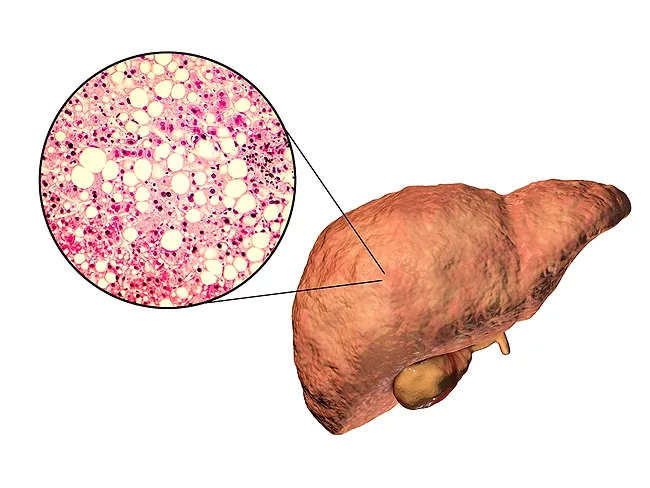
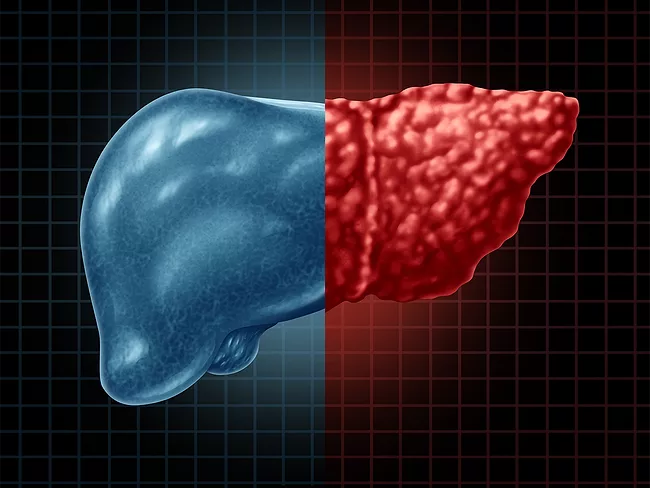
Primary sclerosing cholangitis (PSC) and nonalcoholic steatohepatitis (NASH) are chronic inflammatory liver diseases. It is known that one of the cell signaling molecules overexpressed in the liver during inflammation is IL-18, which is also a marker of hepatocyte injury and liver steatosis.
Hanmi Pharmaceutical Co. Ltd. presented early results for two candidates for short bowel syndrome (SBS) and hyperinsulinemia, two diseases with limited approved therapies, at the recent annual meeting of the Endocrine Society (ENDO 2023) in Chicago.
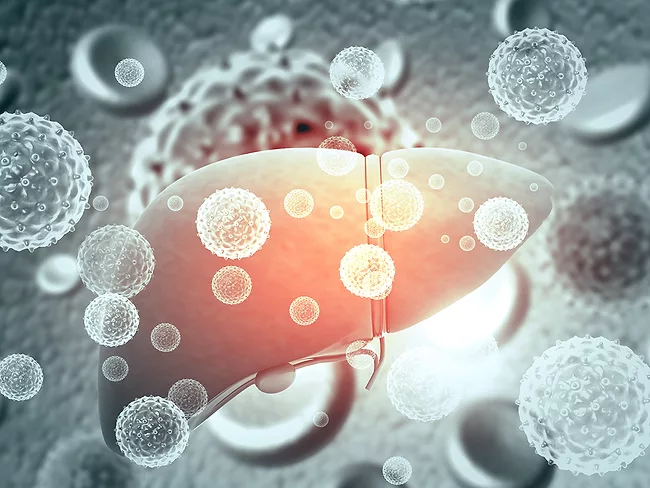
Chronic hepatitis B affects around 250 million people in the world and its cure remains elusive. At the 2023 European Association for the Study of the Liver Congress in Vienna, Austria, Emily Harrison of Precision Biosciences Inc. presented the company’s work on using a naturally occurring endonuclease in the development of its ARCUS gene editing approach to eradicating the persistent viral infection.
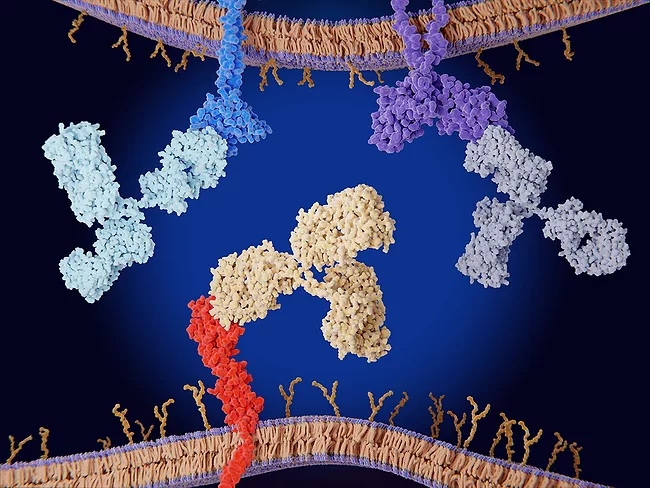
Researchers from Westlake Therapeutics (Hangzhou) Co. Ltd. have presented the discovery and preclinical evaluation of a novel erythrocyte-anti-PD-1 antibody conjugate, WTX-212, being developed for the treatment of cancer.
At the ongoing European Association for the Study of the Liver meeting, researchers from Suzhou Ribo Life Science Co. Ltd. presented preclinical data on RBD-1016 in two models of chronic hepatitis B virus (HBV) infection.
Researchers from Inipharm Inc. presented preclinical data for INI-822, a small-molecule inhibitor of HSD17B13, being developed for the treatment of liver disease.
Over the past decade there has been much research into the use of induced pluripotent stem cells (iPSCs) as a cell therapy to regenerate tissue and treat heart disease. Now, one researcher has narrowed the focus down to treating heart disease not with whole cells, but with mitochondria derived from iPSCs. Gentaro Ikeda, a researcher at the Department of Medicine at Stanford University, has worked on generating extracellular vesicles (EVs) containing mitochondria from pluripotent stem cell-derived cardiomyocytes and administering these to restore the functionality of the myocardium in a porcine model of an infarct.
While the liver is mostly known as the core of metabolism, contributing to the storage of nutrients and excretion of toxic substances, there is an increasing interest in how it interacts with the central nervous system through the liver-brain axis. At the 2023 European Association for the Study of the Liver (EASL) meeting in Vienna, Austria, group leader Kristina Schoonjans and her colleague Hadrien Demagny from the Laboratory of Metabolic Signaling at École Polytechnique Fédérale de Lausanne, Switzerland, gave talks setting out the context of inter-organ communication in liver disease, adding new findings from their research in the liver-brain axis.
 RSS
RSS