Over the past decade there has been much research into the use of induced pluripotent stem cells (iPSCs) as a cell therapy to regenerate tissue and treat heart disease. Now, one researcher has narrowed the focus down to treating heart disease not with whole cells, but with mitochondria derived from iPSCs. Gentaro Ikeda, a researcher at the Department of Medicine at Stanford University, has worked on generating extracellular vesicles (EVs) containing mitochondria from pluripotent stem cell-derived cardiomyocytes and administering these to restore the functionality of the myocardium in a porcine model of an infarct.
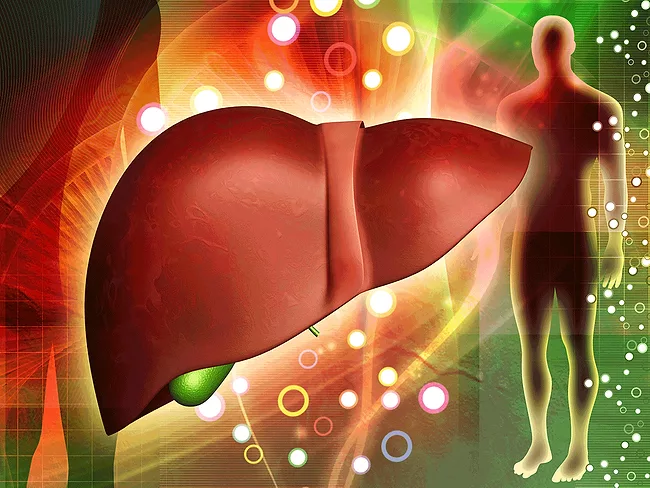
While the liver is mostly known as the core of metabolism, contributing to the storage of nutrients and excretion of toxic substances, there is an increasing interest in how it interacts with the central nervous system through the liver-brain axis. At the 2023 European Association for the Study of the Liver (EASL) meeting in Vienna, Austria, group leader Kristina Schoonjans and her colleague Hadrien Demagny from the Laboratory of Metabolic Signaling at École Polytechnique Fédérale de Lausanne, Switzerland, gave talks setting out the context of inter-organ communication in liver disease, adding new findings from their research in the liver-brain axis.
Having demonstrated in previous work that drug-Fc conjugates (DFCs) are a promising treatment alternative for multidrug-resistant (MDR) gram-negative bacteria, researchers from the Center for Discovery and Innovation and Cidara Therapeutics Inc. presented results from the identification of CTC-177, a novel DFC, as a potential immunoprophylactic agent against MDR gram-negative bacterial infections.
Researchers from Murdoch Children’s Research Institute presented data from a study that linked recessive variants in the SART3 gene with a novel neurodevelopmental syndrome.
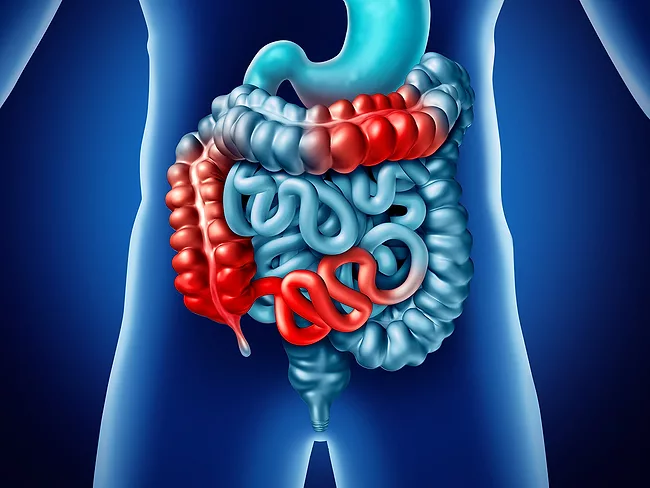
Mozart Therapeutics Inc. has reported preclinical pharmacologic and tolerability data for MTX-101, a bispecific CD8 regulatory T-cell (Treg) modulator targeting inhibitory KIR2DL(1/2/3) and CD8 expressed on CD8 Tregs. The autoimmune checkpoint inhibitor aims to restore CD8 Treg function, acting early in the autoimmune disease process to halt downstream inflammation and prevent further complication. The initial therapeutic focus for MTX-101 is gastrointestinal autoimmune disorders.
At the ongoing EASL meeting, researchers from Hepagene Therapeutics Inc. presented preclinical data for the novel thyroid hormone receptor β (THR-β) agonist HPG-7233, being developed for the treatment of nonalcoholic steatohepatitis (NASH).
During the first talk of the Basic Science Seminar sessions at the 2023 EASL International Liver Congress, focusing on the gut-liver axis, Prof. Maria Rescigno from Humanitas University presented data on the interaction between the gut and the liver and the role of microbiota and intestinal permeability in health and disease.
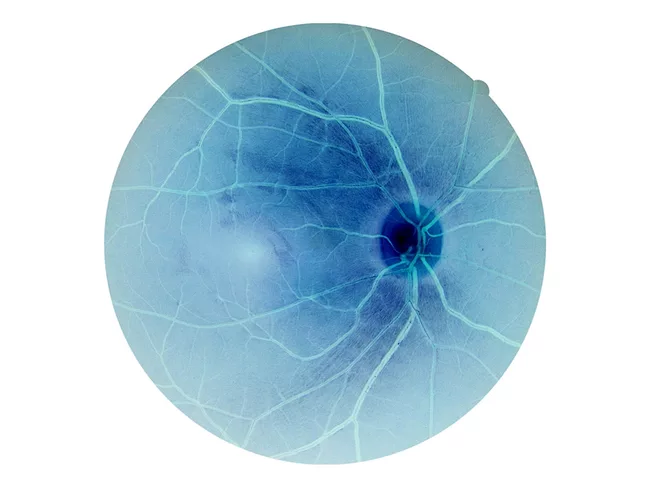
Mutations in the CEP290 (NPHP6) gene cause severe cilia formation defects and a wide range of ciliopathies, ranging from non-syndromic Leber congenital amaurosis (LCA10) to Meckel syndrome (MKS). Researchers from Medetia SAS and affiliated organizations recently presented the discovery and preclinical evaluation of a novel prostaglandin-E2 receptor agonist, MDT-110, as a potential treatment of NPHP6/CEP290-associated phenotypes.
Several developmental biology and regenerative medicine laboratories that use cellular reprogramming techniques presented their latest results on the differences in the states of induced pluripotent stem cells (iPSCs) during a Plenary Session on “Epigenetic regulation of distinct cell states” at the Annual Meeting of the International Society for Stem Cell Research (ISSCR), in Boston from June 14 to 17, 2023.
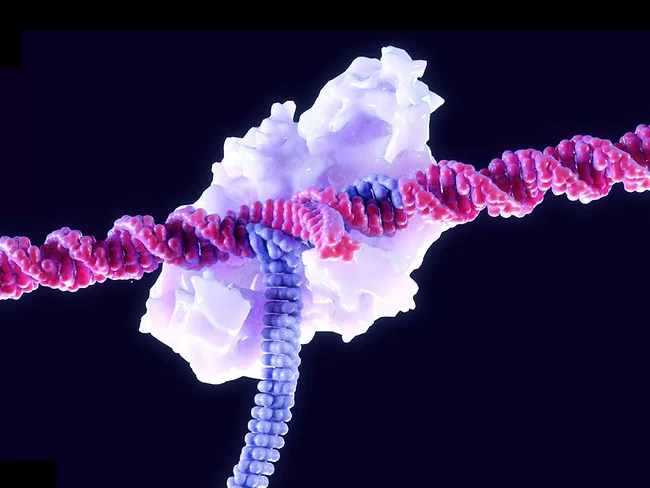
With CRISPR-Cas9 technology making its way toward clinical practice, laboratories are studying different gene-editing techniques, from base editors to prime editors, to correct mutations associated with various pathologies. Researchers at Tessera Therapeutics Inc. have been inspired by retrotransposons to develop a tool for editing DNA using RNA and reverse diseases such as phenylketonuria (PKU) or sickle cell disease (SCD).

 RSS
RSS