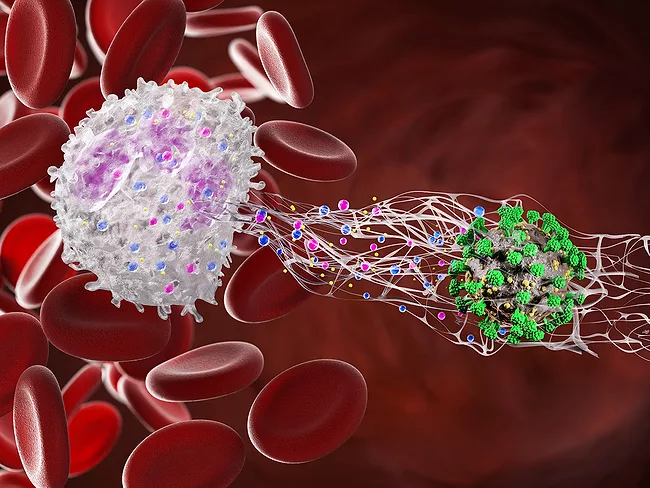
At the recent American Transplant Congress, researchers from McGill University presented the discovery and preclinical evaluation of a novel retinoic acid receptor-related orphan receptor γt (RORγt) inhibitor, TF-S14, being developed as a potential therapy to delay skin allograft rejection.
Bronchiectasis is an irreversible chronic respiratory condition arising from secondary infections that presents as chronic cough with daily purulent sputum due to a permanent abnormal widening of bronchi.
Researchers from Structure Therapeutics Inc. recently presented details on the discovery and preclinical evaluation of two new apelin receptor (APJ, APLNR) agonists – ANPA-0073 and ANPA-0137 – being developed for the treatment of pulmonary diseases.
Researchers from the Hospital Universitari Vall d’Hebron and colleagues have reported on the development of Hybri, a hybrid recombinant bispecific fusion protein with immunosuppressive activity that consists of the extracellular domain (ECD) of human PD-L2 fused via a linker to the ECD of human CTLA-4, further fused to the Fc domain of human IgG.
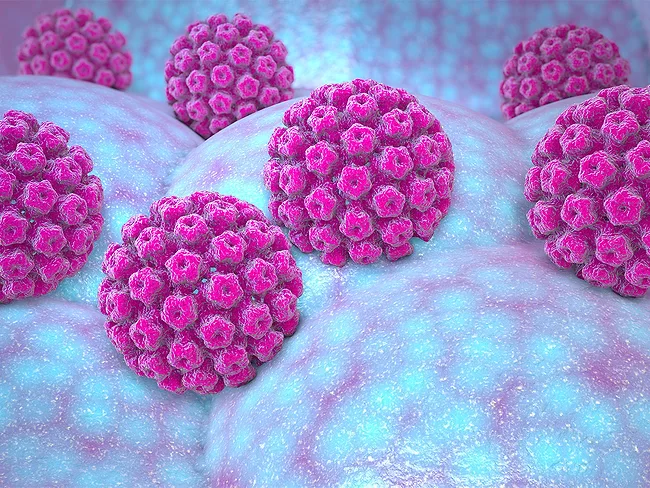
Researchers from Beijing Corregene Biotechnology Co. Ltd. presented preclinical data for CRTE7A2-01, a cell therapy candidate consisting of human T cells expressing T-cell receptors (TCRs) specific for HLA-A*02:01-restricted HPV16 E7 antigen.
CD38 is an enzyme with NAD-depleting and intracellular signaling activity expressed on the cell surface, in intracellular compartments and in mitochondria, and is linked to inflammatory and autoimmune diseases. Studies in CD38-deficient mice have revealed that these animals develop a type of collagen-induce arthritis (CIA) which suggests a link between CD38 and CIA pathogenesis.
Glucocorticoids are very effective immunosuppressive and anti-inflammatory drugs that cause dose-limiting toxicities in brain, liver and bone preventing their use mainly in chronic disorders. Researchers from Immunext Inc. recently reported results from the therapeutic evaluation of the nontoxic glucocorticoid INX-200 with anti-inflammatory efficacy in a once-per-month injection.
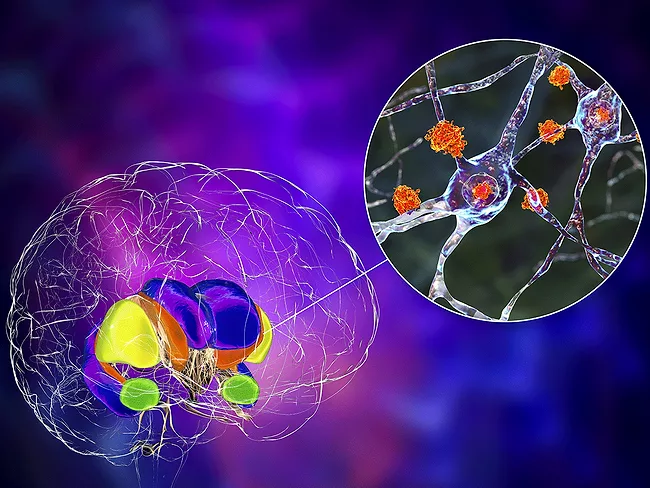
Researchers from Seelos Therapeutics Inc. presented the discovery and preclinical evaluation of a gene therapy candidate, SLS-009, for the treatment of Huntington’s disease (HD).
 RSS
RSS