Colorectal cancer (CRC) is one of the digestive tract cancers with the highest prevalence. Cancer immunotherapy for CRC brings substantial benefit to patients, but the development of resistance mechanisms and relapsing processes along with immune escape call for new treatment options.
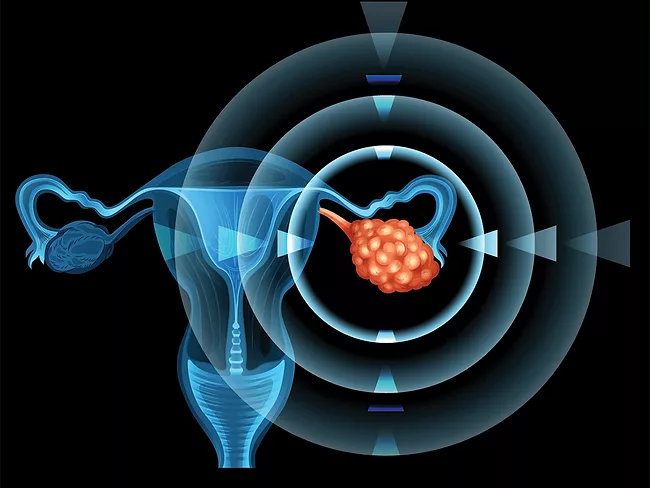
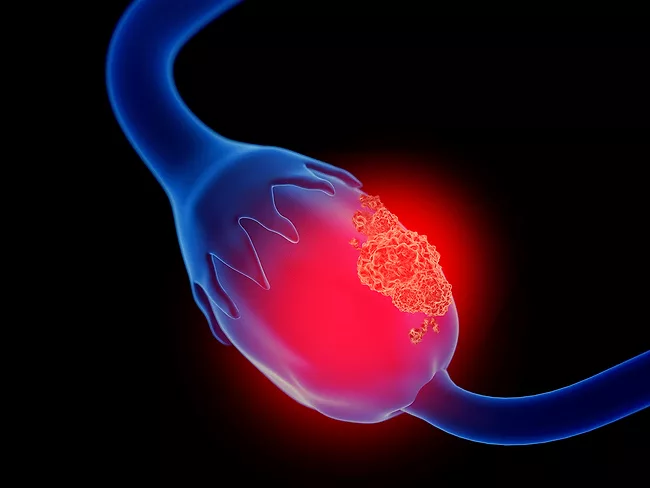
Researchers from Imperial College of Science, Technology and Medicine have reported results of preclinical evaluation of THEO-260, a novel oncolytic virus for the treatment of stromal-rich tumors. The candidate is currently in development for late-stage relapsed refractory ovarian cancer.
The WW domain binding protein 4 (WBP4) is part of the early spliceosomal complex, and it has been previously shown to enhance splicing both in vitro and in vivo, as well as to regulate alternative splicing. At the ESHG meeting, researchers from Hebrew University of Jerusalem presented data from a study that aimed to delineate WBP4 in the context of human pathologies.
At the recent EAACI meeting, researchers presented preclinical data for the inflammasome inhibitor OLT-1177 (dapansutrile), which is being evaluated by Olatec Therapeutics LLC for the treatment of inflammatory diseases.
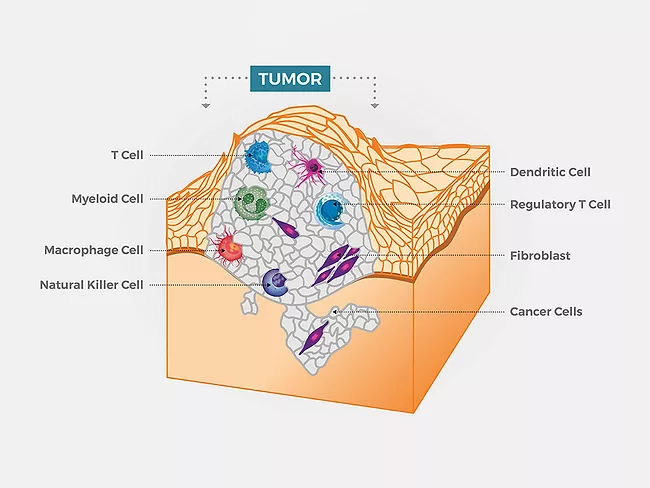
Chemokine (C-C motif) receptor 8 (CCR8), a member of the β chemokine receptor family, contributes to the recruitment and immunosuppressive function of regulatory T (Treg) cells within the tumor microenvironment.
Part of the reason for CAR T cells’ astonishing success in B-cell cancers is that B cells are astonishingly easy to replace. CAR T cells are specific, yes. But they are not specific to tumor cells. They are specific to their target antigens. In the case of Yescarta (axicabtagene ciloleucel, Gilead Sciences Inc.) and Kymriah (tisagenlecleucel, Novartis AG), the first two clinically approved T cells, that target is CD19, which is expressed on B-cell precursors. And when it is successful, the treatment leaves patients without any B cells at all.
Researchers from Eutilex Co. Ltd. have presented preclinical data for the novel V-set and immunoglobulin domain-containing 4 (VSIG4)-specific humanized monoclonal antibody, EU-103, being developed as a potential cancer immunotherapy candidate.
Son of sevenless 1 (SOS1) is a guanine exchange factor (GEF) primarily responsible for linking cell-surface receptors to RAS protein activation converting the inactive form of GDP-loaded RAS proteins into the active GTP-loaded RAS. This role together with its function in inhibiting MAPK pathway reactivation suggest that SOS1 may be a therapeutic target to treat KRAS-driven cancers.
 RSS
RSS