Interleukin-1 receptor-associated kinase 4 (IRAK4) plays a critical role in innate immunity by acting both as a scaffolding protein and a protein kinase, and its overactivation correlates with several autoimmune disorders.
Throughout the body, the vasculature and the nervous system are fellow travelers. Renaissance physician and anatomist Andreas Vesalius described their proximity on the macroanatomical level in the 16th century, and modern microscopic techniques have shown that it extends into the micrometer range – where there is a blood vessel, there is often a nerve nearby, and vice versa.
Researchers from Genentech Inc. presented preclinical data for the novel transient receptor potential ankyrin 1 (TRPA1) antagonist GDC-6599, currently in phase II development for respiratory indications.
Human lipoprotein(a) (Lp(a)) is a lipoprotein complex composed of a low-density lipoprotein (LDL) particle and a large highly polymorphic glycoprotein named apolipoprotein (a) (apo(a)). There is evidence that Lp(a) is linked to cardiovascular disorder risk.
At the recent ESC Congress, researchers from University of Tennessee and Attralus Inc. presented preclinical data on the novel pan-amyloid-binding peptide fusion immunoglobulin AT-02, which is being developed for the treatment of amyloidosis.
Under pathologic conditions such as vascular injury or atherosclerosis, the hyperactivation of platelets may lead to occlusive thrombus formation, myocardial infarction or stroke. Although there are several targets for clot prevention validated clinically, these strategies may present bleeding risk as a limitation. Researchers from the University of Michigan have reported on CS-014, a histone deacetylase (HDAC) inhibitor aimed to reduce clot formation without risk of bleeding.
“Change is the only constant” is an ageless truth. In the search for age-related biomarkers, it is also a prosaic confounding factor. Age-related biomarkers will be critical for the development of antiaging therapeutics. “Nobody is planning to do a life span study in humans,” Eric Verdin told the audience at the 10th Conference on Aging Research and Drug Development in Copenhagen on Monday. “Hence the need for … surrogate markers.” And “we are not there … we are actually quite far from there.”
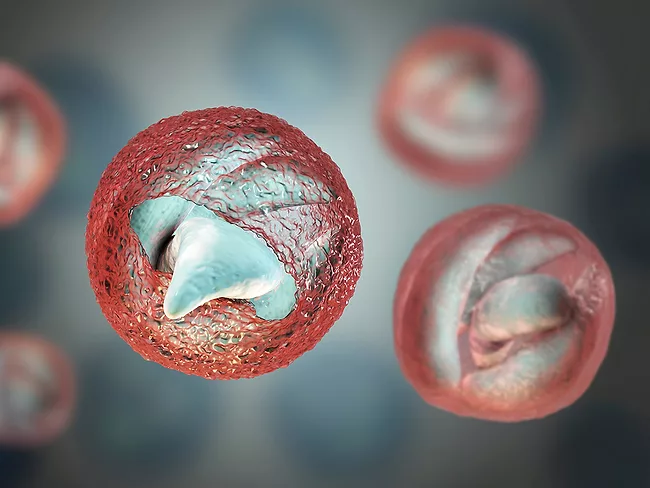
Cryptosporidiosis is a parasitic infection caused by Cryptosporidium where infected individuals develop profuse watery diarrhea and enteric symptoms such as abdominal pain. In immunocompromised or malnourished children, the infection may become chronic and lead to significant morbidity and mortality rates.
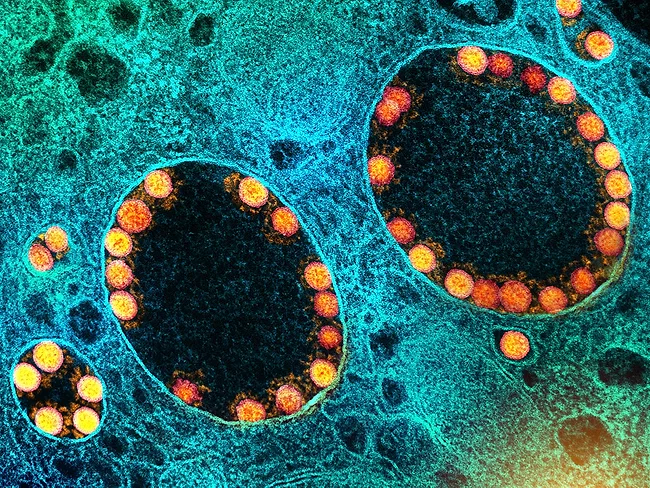
Viral proteases are well-established therapeutic targets in HIV and hepatitis C virus infections. Following the recent COVID-19 pandemic, one of the strategies in place is SARS-CoV-2 main protease (Mpro) inhibition, given the crucial role of SARS-CoV-2 Mpro in the replication of the virus.
 RSS
RSS