Interleukin-4 (IL-4) plays an important role in regulating inflammation. While several antibody-based options targeting IL-4 have been reported, strategies based on small molecule inhibitors have proven difficult to find.
Gri Bio Inc. reported data on its type 2 natural killer T (NKT) cell activator GRI-0803 at the Autoimmunity Conference hosted by FASEB earlier in August. The company is developing GRI-0803 in autoimmune diseases, with an initial focus of systemic lupus erythematosus (SLE).
CAR T-cell immunotherapy is designed with different targets depending on the receptors they will bind to. CARs can also contain different tools, like the concept of a Swiss army knife, with several utensils for different tasks. The goal is to make them more effective and durable. During the second session of the Spotlight on Immuno-Oncology conference, “Novel CAR designs and approaches,” Robbie Majzner, of Stanford University, described expanding the main components of CAR T cells to acquire new functions and act on different cell pathways.
One of the main causes of cervical cancer is persistent human papillomavirus (HPV) infection, with E6 and E7 being the main oncogenic genes of HPV3. For this reason, targeting HPV proteins E6 and E7 is a promising therapeutic strategy for the treatment of this disease.
Researchers from Interius Biotherapeutics Inc. presented the development and preclinical evaluation of a novel gene therapy candidate, INT-2104, as potential candidate for the treatment of B-cell malignancies.
“From such a stick, such a splinter,” is a popular Spanish saying to explain how a son resembles his father. Like father, like son. The first Spotlight on Immuno-Oncology conference of the American Society of Gene & Cell Therapy (ASGCT) is the splinter of the ASGCT annual meeting, which brought together a group of experts in this field. It took place on Aug. 1 and 2, 2023, starting with a series of talks on “B Cell Malignancies and Beyond.”
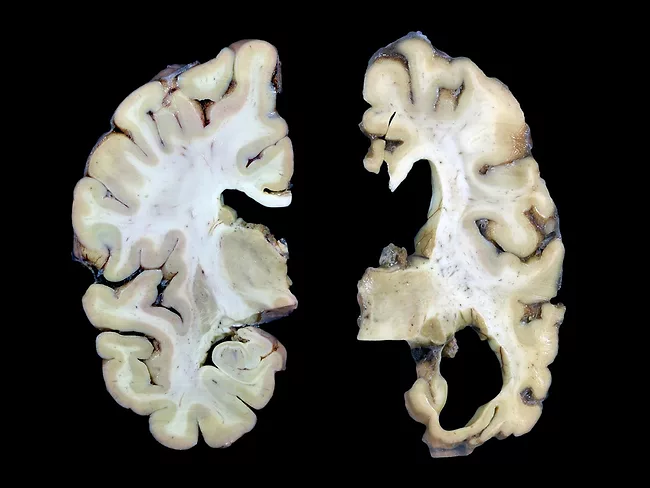
Researchers from Arizona State University presented preclinical data for the novel dual specificity tyrosine phosphorylation kinase 1a (DYRK1a) inhibitor DYR-533, being developed for the treatment of tauopathies, including Alzheimer’s disease (AD).
Although huge strides have been made with antiretroviral therapy (ART) and prevention since HIV was first reported 42 years ago, there is still not an effective preventive vaccine or a scalable cure for those living with HIV. But broadly neutralizing antibodies (bNAbs) look to be a further step down the pathway to a cure, speakers said during the International AIDS Society meeting held July 23 to 26 in Brisbane, Australia.
Giardia lamblia is a protozoan pathogen that colonizes the gastrointestinal tract and results in giardiasis. Recently, researchers from the University of California San Diego aimed to identify potent proteasome inhibitors that selectively target G. lamblia, as potential antigiardiasis therapeutics with low toxicity.
Researchers from the University of Texas and University of Tennessee set out to determine if the long noncoding RNA (lncRNA) MALAT1 (metastasis associated lung adenocarcinoma transcript 1), which is known to regulate a subset of genes involved in synaptic plasticity, cognitive function and memory, plays an important role in Alzheimer’s disease (AD) pathology.
 RSS
RSS