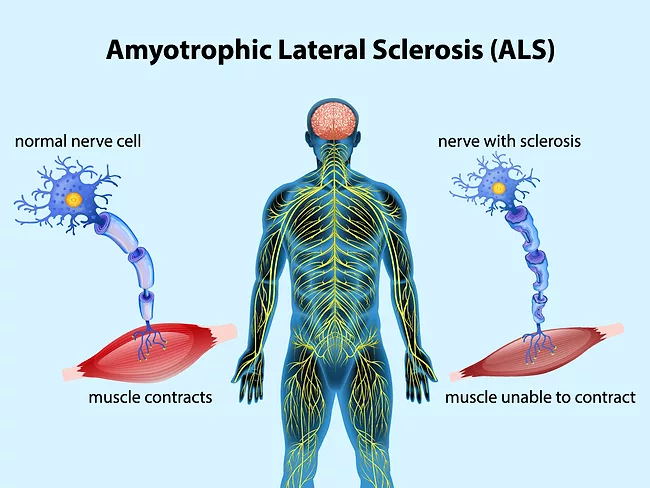
Several neurodegenerative disorders have TAR DNA-binding protein 43 (TDP-43) inclusions as a pathological hallmark; thus, the development of PET tracers able to detect TDP-43 aggregates is essential to advance the diagnosis and treatment monitoring in diseases such as frontotemporal dementia, amyotrophic lateral sclerosis and others.
Researchers from Prothena Biosciences Ltd. recently presented preclinical data for the full effector-function IgG1 monoclonal antibody PRX-012, which binds with high affinity to both soluble and insoluble forms of toxic amyloid-β (Aβ) aggregates.
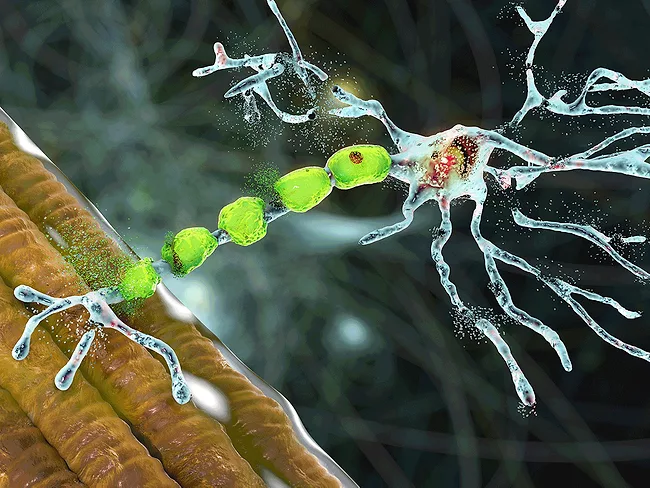
Sigma nonopioid intracellular receptor 1 (SIGMAR1) is a protein enriched in motor neurons (MNs), and mutations in its gene have been previously linked to various motor neuron diseases (MNDs). Researchers from Welab Barcelona and affiliated organizations recently presented preclinical data for two novel SIGMAR ligands, EST-79232 and EST-79376, being evaluated as potential candidates for the prevention of MN degeneration.
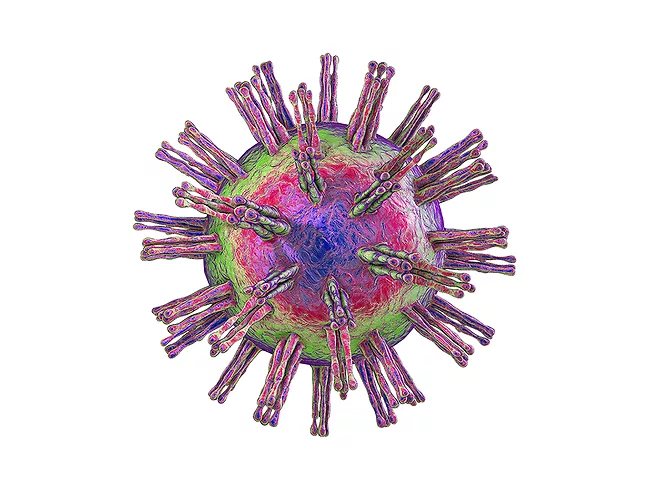
Researchers from Assembly Biosciences Inc. reported on the preclinical characterization of ABI-5366, a potent helicase-primase inhibitor against both HSV-1 and HSV-2.
Researchers from Peking University (PKU) recently presented the discovery and preclinical evaluation of a novel small-molecule inhibitor of pan-αv integrin, C19-9-21, being developed for the treatment of prostate cancer.
Researchers from Astrazeneca plc have presented a novel adeno-associated virus (AAV)-delivered human (h)IL-33 neutralizing scFv-based protein construct at the 2023 World Congress on Basic and Clinical Pharmacology.
The endogenous human protein annexin A1 (ANXA1) is a driver of inflammatory resolution and has shown protective effects in several models of diseases with inflammatory components, including myocardial infarction. Researchers from Resother Pharma A/S and colleagues reported on the preclinical cardioprotective role of RTP-026, a peptide derived from the ANXA1 N-terminal region that acts as N-formyl peptide receptor 2 (FPR2) ligand. In vitro, testing of receptor selectivity and activation in FPR2-HEK-293 cells showed an EC50 value between 10 and 30 nM.
Given that monoclonal antibodies are so big, only 0.1% of a dose will cross the blood-brain barrier (BBB). And that’s why their utility in central nervous system (CNS) disorders management is limited.

 RSS
RSS