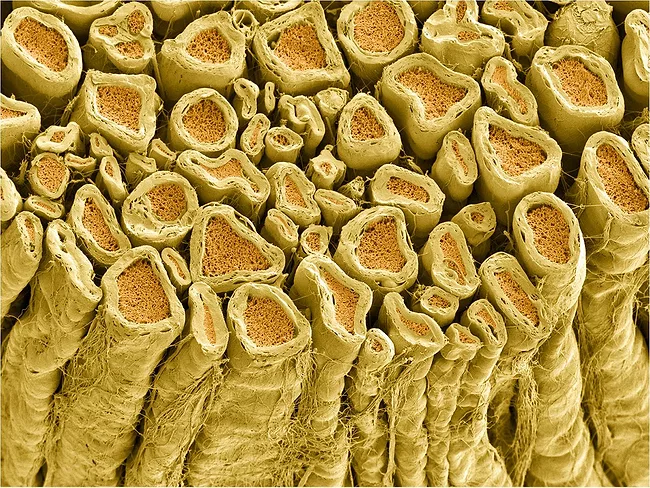
Researchers from the University of British Columbia presented data from a study that aimed to define the role of nuclear receptor subfamily 1 group H member 3 (NR1H3) in the pathophysiological mechanisms that drive increased risk, severity and progression in multiple sclerosis (MS).
To date, there is a lack of consensus in anal cancer screening. DNA methylation markers zing finger protein 582 (ZNF582) and achaete-scute homolog 1 (ASCL1) have been associated with anal intraepithelial neoplasia (AIN3) and anal carcinoma risk in people with HIV infection.
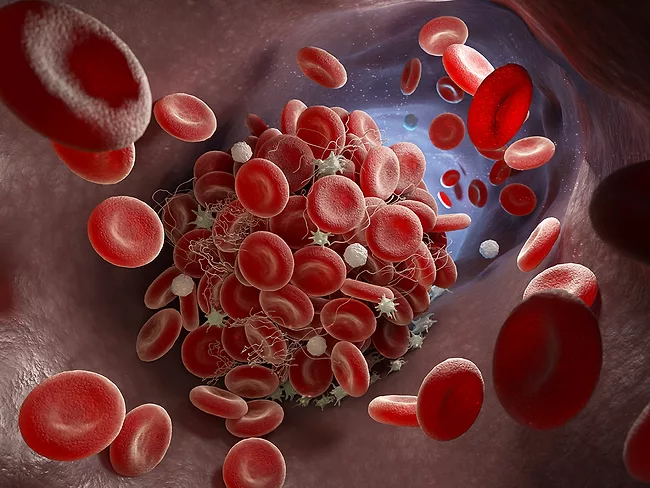
Current antithrombotic therapies for the prevention and management of cardiovascular disorders such as thrombosis, myocardial infarction (MI) or stroke present an associated risk of bleeding. The essential events leading to the formation of hemostatic clots are platelet activation and fibrin formation. When activated, the prostacyclin (IP) receptor prevents platelet aggregation in arteries and veins after injury.
Whether as primary tumors or metastases, brain tumors remain stubbornly intractable to the progress that has occurred in many other tumor types. As Igor Vivanco, who is a senior lecturer in the Institute of Pharmaceutical Science at King’s College London, noted in his talk at the European Society for Medical Oncology Targeted Anticancer Therapies (ESMO TAT) meeting in Paris this week, the last win in glioblastoma was the addition of temozolomide to the radiotherapy standard of care in 2005. And temozolomide’s benefit is measured in months, not years.
Since episodes of idiopathic anaphylaxis (IA) are often accompanied by gastrointestinal (GI) manifestations, researchers from the National Institutes of Health aimed to investigate whether surrogate markers of GI permeability are aberrant in patients with IA.
In a striking demonstration of how the success of mRNA vaccines against COVID-19 has opened up the potential of the technology in cancer, mice that cleared a tumor after a single administration of an mRNA vaccine, also cleared a second tumor without receiving further immunization. This display of potent immunogenicity formed part of a head-to-head study of three different mRNA technology platforms in human papillomavirus (HPV)-16 associated tumors.
 RSS
RSS