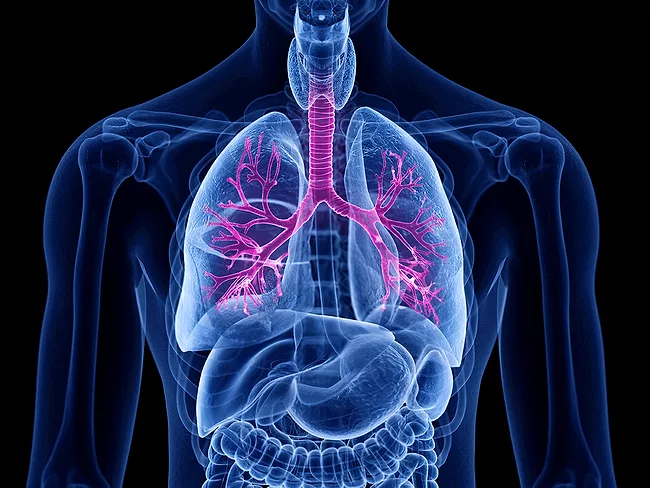
Obesity is tied to airway hyperresponsiveness and lung fibrosis, which may lead to patients with asthma and obesity poorly responding to asthma therapy. Blocking proprotein convertase subtilisin/kexin type 9 (PCSK9) is known to reduce serum cholesterol levels and to exert anti-inflammatory effects.
Researchers from Georgetown University presented data from a study that aimed to assess the intrinsic mechanisms by which myeloid cells regulate their activation states during remyelination and to identify new therapeutic targets for multiple sclerosis (MS).
Metabolic-associated fatty liver disease (MAFLD) has emerged as a leading cause of progressive liver disease, even leading to a risk of hepatocellular carcinoma (HCC). Animal models that mimic the key etiological and histological features of the liver in the context of metabolic dysfunction represent the basis of preclinical research in MAFLD. The aim of work from researchers at Guangdong Pharmaceutical University was to develop a diet-induced murine model of MAFLD progressing to fibrosis and HCC.
Performing experiments and potentially manufacturing products in space offers some unique advantages in a near-zero gravity environment. Space changes buoyancy, hydrostatic pressure and convective heat flow. Researchers are studying how those changes affect cells, but also looking to take advantage of the changes to create products in manufacturing processes that wouldn’t be possible on earth.
The pathogenesis of eosinophilic gastroenteritis (EGE), a chronic inflammatory disease characterized by eosinophil infiltration in the gastrointestinal tract, is still not well understood.
Resistin-like molecule beta (RELMβ) is a gut-derived cytokine involved in both allergic responses and protection from pathogens, and it has been previously found to be dysregulated in mouse models of food allergy (FA). Researchers from Boston Children’s Hospital aimed assess the potential of RELMβ as a novel biomarker in children with FA.
Mucopolysaccharidosis type IIIA (MPS IIIA) is a genetic disorder where mutations in SGSH lead to the accumulation of heparan sulfate (HS) and lysosomal dysfunction that translate into developmental delay and cognition decline in humans. To date, there is no cure for MPS IIIA and that is why finding new strategies is an urgent need.
It has been demonstrated that stem cell factor (SCF) and its receptor KIT play key roles in the differentiation, proliferation, survival, migration and activation of mast cells, which in turn play a central role in the development of IgE-mediated allergic diseases, including allergic urticaria and food allergy.
 RSS
RSS