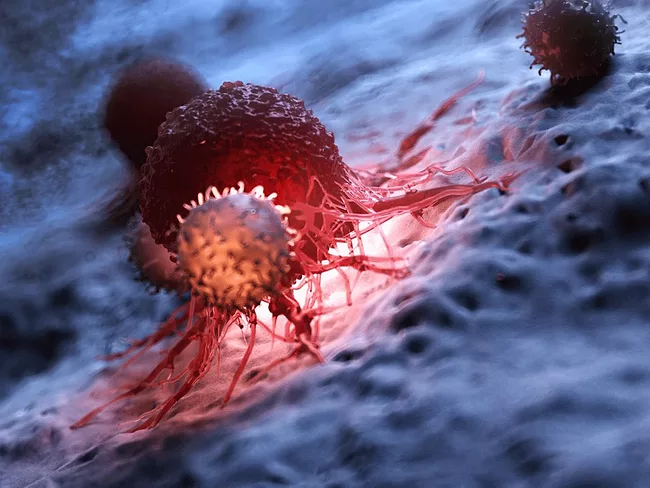
Chimeric antigen receptor (CAR) T-cell therapy is a powerful approach for patients with hematologic malignancies, such as leukemia. Its broad use may be associated with life-threatening toxicities such as neurotoxicity and cytokine release syndrome (CRS).
Researchers at Indiana University Bloomington have developed allosteric modulators of the opioid receptor that were superior to the opioid antidote naloxone at blocking the effects of fentanyl in vitro. They presented their work in a session on “Progress towards more efficacious medicine: Antibiotics and antidotes” at the 2023 spring meeting of the American Chemical Society (ACS).
Researchers from Atyr Pharma Inc. presented findings from the innovative tRNA synthetase platform, highlighting ATYR-0101, a potential therapeutic biologic based on a domain appended to aspartyl-tRNA synthetase (DARS).
Hunan Warrant Pharmaceutical Technology Development Co. Ltd. has disclosed data on the identification of a novel small-molecule inhibitor of Bruton tyrosine kinase (BTK), HND-01, which was identified by modifying metabolite 20 of dasatinib and is being developed for the potential treatment of cancer.
Researchers from the National Institutes of Health recently presented preclinical data for the dopamine D3 receptor antagonist VK-4-116, which has potential for the treatment of opioid use disorder (OUD).
Facioscapulohumeral muscular dystrophy (FSHD) is a skeletal muscular dystrophy characterized by DNA hypomethylation of D4Z4 repeat units of a macrosatellite array found at the distal end of chromosome region 4q35, which causes a myotoxic expression of DUX4. Researchers from Epic-Bio presented the discovery of EPI-321, a novel gene therapy candidate for the treatment of FSHD.
 RSS
RSS