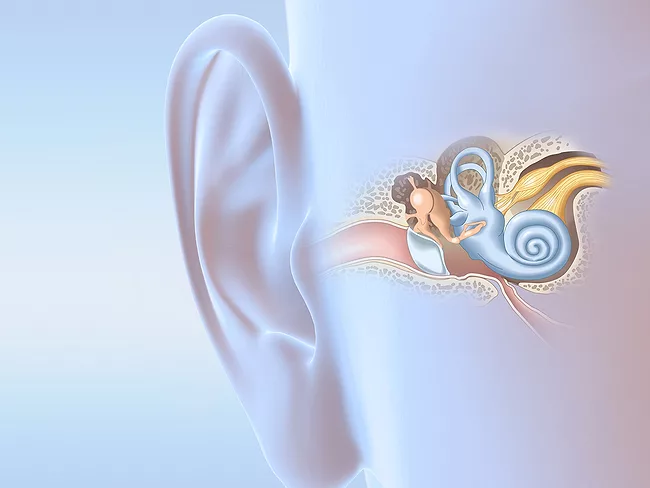
Researchers from the University of Antwerp reported the characterization of a novel clinically relevant mouse model of DFNA9 (deafness, autosomal dominant 9), an autosomal dominant inherited disorder characterized by vestibular dysfunction and adult-onset progressive hearing loss caused by different heterozygous mutations in the COCH gene.
The success of the treosulfan-based conditioning regimen in patients with β-thalassemia undergoing hematopoietic cell transplantation (HCT) is limited due to several complications, such as mixed chimerism and graft rejection. Researchers previously found that polymorphisms in the NQO1 or glutathione S-transferase A1 (GSTA1) genes had an impact on treosulfan pharmacokinetics, which then impacted related toxicities after HCT.
Recent findings unveiled that high serum levels of the molecular marker microRNA 371 correlate with the clinical stage and metastasis of seminomas (tumor of the testis germ cells) and nonseminomas. The expression of miR-371a-3p was evaluated in a cohort of patients with stage IIA/B seminoma and nonseminoma. Expression of miR-371a-3p was found to be positive in all 12 metastatic patients with seminoma or nonseminoma and was negative in 3 out of 4 nonmetastatic cases.
Receptor-interacting serine/threonine-protein kinase 2 (RIPK2) is a kinase protein that plays key roles in inflammation and antimicrobial response through the NF-kB signaling pathway, as well as it is known to activate c-MYC, which is involved in the progression of several malignancies, such as prostate cancer.
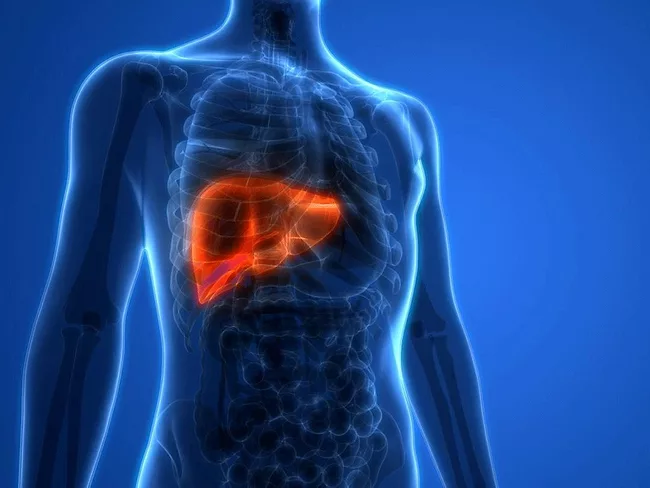
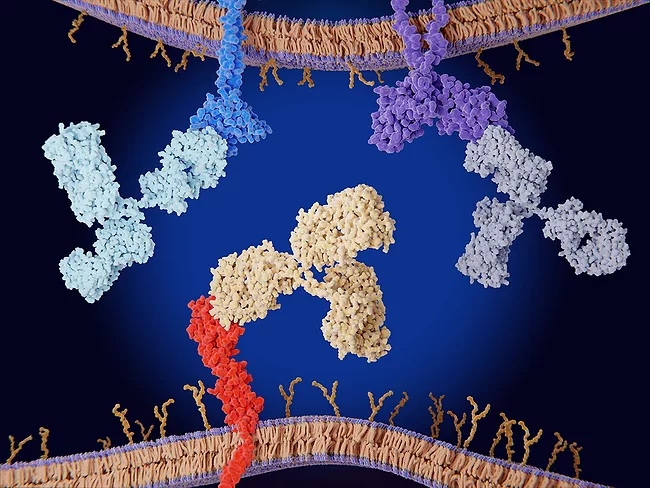
Glypican 3 (GPC3) is overexpressed in hepatocellular cancers (HCC), even at very early stages. In contrast, GPC3 is not expressed in normal adult organs. One strategy in place for HCC consists in co-targeting GPC3 and CD3 with bispecific antibodies to activate the latter in order to attack GPC3-positive cancer cells.
Researchers from Caribou Biosciences Inc. presented preclinical data for the novel BCMA-specific allogeneic CAR T-cell therapy candidate, CB-011, being developed for the treatment of relapsed or refractory multiple myeloma. A genome editing strategy was implemented in the production of CB-011 to blunt CAR T-cell rejection by both patient T cells and natural killer (NK) cells.
Anthony Fauci has retired from his position as director of the National Institute of Allergy and Infectious Diseases (NIAID) and as chief medical advisor to the U.S. president. But Fauci, who has advised every president since Ronald Reagan, continues to share his encyclopedic knowledge with the HIV research community, as he has since the beginning of the HIV pandemic. Fauci co-founded the first National Conference on Human Retroviruses and related infections in 1993. At the Opening Session of the 30th edition of the Conference on Retroviruses and Opportunistic Infections (CROI), he highlighted the advances that have collectively extended the life expectancy of newly diagnosed patients by decades.
Wolfram syndrome is a neurodegenerative disease characterized by neurological symptoms, as well as diabetes, optic atrophy and hearing loss, among others. The WFS1 gene encodes a protein named Wolframin and it accounts for about 99% of cases, 60% of which present with hearing loss. To date, of all animal models of Wolfram syndrome developed carrying a variant or deletion of one exon of Wfs1, none mimics the early-onset hearing loss.
Previous studies revealed that cancer-restraining cancer-associated fibroblasts express Meflin as a marker in pancreatic cancer, and further research has shown that Meflin can also be a good predictive marker for immune checkpoint inhibitor (ICI) response in non-small-cell lung cancer.
The CEP250 gene encodes centrosome-associated protein CEP250, involved in the formation of active centrosome components and cell cycle progression. CEP250 has been previously implicated in atypical Usher syndrome, which is characterized by early-onset hearing loss and mild retinitis pigmentosa.
 RSS
RSS