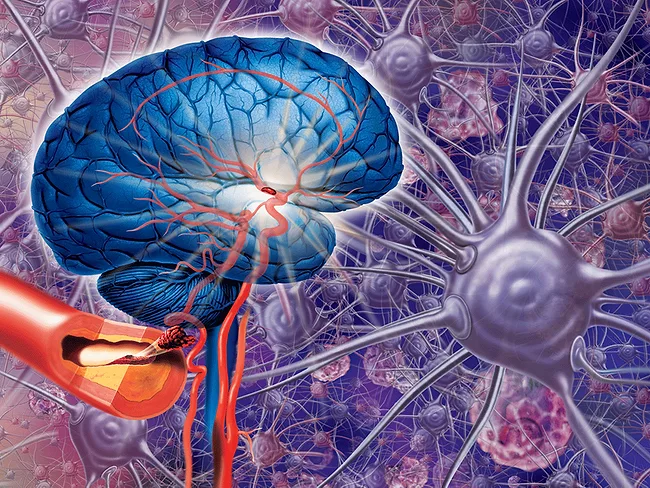
The occurrence of acute ischemic stroke impacts the immune landscape in the lungs, leading to peripheral immune activation, which can contribute to cerebral reperfusion injury.
Gray platelet syndrome is an autosomal recessive platelet disorder characterized by macrothrombocytopenia and deficiency or decreased levels of alpha granules that confer a grayish appearance to the platelets. The genetic cause is located at chromosome locus 3p21, affecting the NBEAL2 gene.
Previous research has suggested that factor VIII (FVIII) can regulate the osteoprotegerin (OPG)/RANKL system, which appears to play a role in hemophilic arthropathy. Investigators have now aimed to measure the OPG levels in patients with hemophilia A/B and assess their correlation with the levels of FVIII/FIX.
Glanzmann thrombasthenia (GT) is a rare bleeding disorder caused by defects in the expression of platelet surface integrins, such as integrin alpha-IIb (GPIIb, encoded by ITGA2B).
Outcomes after therapy with DNA-damaging agents such as irinotecan or oxaliplatin have been seen to improve in patients with homologous recombination-deficient colorectal cancer (HRD CRC) compared to those who have HR proficient CRC (HRP CRC).
Genetically modified derivatives of the chimeric oncolytic virus (OV) CF33 have previously shown cancer selectivity and oncolytic potency against various solid tumors.
Upregulation of C-X-C motif chemokine ligand 1 (CXCL1) has been validated in patients with colorectal cancer (CRC), but the mechanism behind CXCL1 affecting CRC tumor cell progression is not clear. Gene-editing techniques were used to investigate the impact of CXCL1 knockout and overexpression in CRC cells.
Previous studies have demonstrated that increased expression of the granulocyte-macrophage colony-stimulating factor (GM-CSF) correlated with poor prognosis in patients with cholangiocarcinoma (CCA) and pancreatic ductal adenocarcinoma (PDAC). In the current study, a research team at the University of Rochester Medical Center aimed to assess the impact of blocking GM-CSFR signaling in CCA and PDAC.
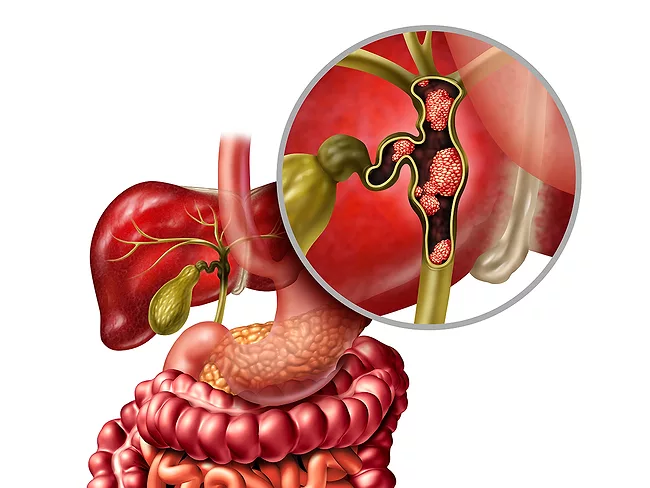
Cholangiocarcinoma (CCA) is a lethal hepatobiliary cancer with poor outcome; thus, new therapeutic approaches are needed. It is known that tyrosine-protein kinase LCK activates Yes-associated protein (YAP), which is a well-known known oncogene in CCA. Researchers have hypothesized LCK as a potential therapeutic target in CCA.
 RSS
RSS