New and updated preclinical data presented at the American Society of Hematology Annual Meeting in New Orleans, by: Affimed, Asher Biotherapeutics, Disc Medicine, Keros Therapeutics, Kymera Therapeutics, Neoleukin Therapeutics, NGM Biopharmaceuticals, Oric Pharmaceuticals, Salarius Pharmaceuticals, Vincerx Pharma.
Researchers from Tubulis GmbH presented preclinical data for a CD30-targeting antibody-drug conjugate (ADC), TUB-010, being developed as a potential anticancer immunotherapy candidate.
Researchers from Salarius Pharmaceuticals Inc. have presented preclinical data on SP-3164, a novel cereblon (CRBN)-binding protein degrader intended for the treatment of lymphoma. SP-3164 bound to cereblon and consequently induced the degradation of hematological transcription factors Ikaros and Aiolos. The aim of their studies was to investigate the drug’s antitumor efficacy in preclinical models of diffuse large B-cell lymphoma (DLBCL).
Vega Therapeutics Inc. has reported promising preclinical data on VGA-039, a first-in-class monoclonal antibody directed against human protein S (ProS) that inhibits ProS cofactor activity for tissue factor pathway inhibitor α (TFPIα) and activated protein C (aPC), thus enhancing thrombin generation by acting on both the initiation (TFPIα) and propagation (aPC) phases of coagulation for potential activity against various bleeding disorders.
Treatment with anti-CD19 bispecific T-cell engager and CAR T therapies can lead to T-cell exhaustion and treatment failure. Novartis AG’s first-in-class anti-CD19, anti-CD3 and anti-CD2 IgG-like trispecific antibody PIT-565, which engages CD19+ on tumor cells, and CD3 (TCR signaling component) and CD2 (a costimulatory receptor) on T cells simultaneously to redirect T-cell cytotoxicity toward CD19-positive malignant B cells, has been designed to avoid T-cell exhaustion.
New and updated preclinical data presented at the American Society of Hematology Annual Meeting in New Orleans, by: Ajax Therapeutics, Biomea Fusion, Cimeio Therapeutics, Fate Therapeutics, Graphite Bio, GT Biopharma, Ichnos Sciences, IGM Biosciences, Incyte, Kronos Bio, Kymera Therapeutics, Monopar Therapeutics, Orum Therapeutics, OSE Immunotherapeutics, Poseida Therapeutics, Puretech Health, Schrödinger, Senti Biosciences, Vincerx Pharma, Wugen.
Preliminary preclinical data have been reported for Enliven Therapeutics Inc.’s ATP-competitive small-molecule ABL1 tyrosine kinase inhibitor (TKI) ELVN-001. In vitro antiproliferative effects, assessed using the biomarker Tyr207-phosphorylated CRKL, demonstrated that ELVN-001 had potent activity with IC50 values ranging from 19 to 112 nM against BCR-ABL1-driven chronic myeloid leukemia (CML) cell lines in the presence of 50% to 100% human serum.
Janssen Pharmaceutica NV reported on the company’s novel fully human immunoglobulin G1 CD79bxCD20xCD3 trispecific antibody JNJ-80948543, comprising an anti-CD3 ε single-chain variable fragment (scFv), an anti-CD20 scFv, and an anti-CD79b fragment antigen-binding (Fab) domain and an effector-silent Fc, designed to redirect T cells to treat patients whose disease no longer responds to previous lines of therapy.
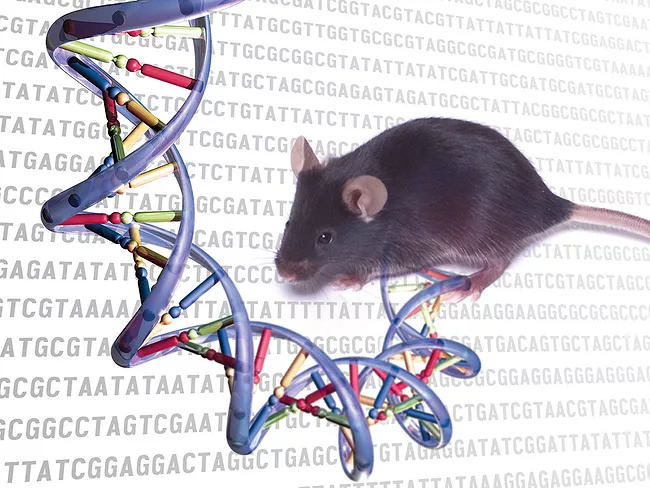
Dravet syndrome is a type of congenital epilepsy caused by nonsense mutations in the SCN1A gene in about 20% of cases; SCN1A gene encodes the alpha subunit of the voltage-gated sodium channel Nav1.1. Spanish researchers and their collaborators have developed a novel murine model of Dravet syndrome; the model was developed by CRISPR/Cas9-generated A>T point mutation at nucleotide 1837 that converts Arg613 to a STOP codon, and which was introduced into exon 12 of the murine Scn1a gene using 129S1/SvImJ embryos.
Researchers from Columbia University presented novel knock-in mouse models, designed to replicate de novo sequence variations in the HCN1 voltage-gated ion channel, p.G391D and p.M153I, which are associated with severe drug-resistant neonatal- and childhood-onset epilepsy, respectively.

 RSS
RSS