Cerebral cavernous malformations (CCMs) are vascular lesions in the central nervous system and in the brain that are tied with intracerebral bleeds and seizures, with an occurrence ratio of 0.4% to 0.9%. Seizure is the second most common symptom and >25% of CCMs are identified following an epilepsy diagnosis.
Ichnos Sciences Inc. has presented data on the first-in-class trispecific BCMA and CD38 T-cell engager ISB-2001, which is based on the company’s TREAT (Trispecific Engagement by Antibodies based on the TCR) technology. The compound targets CD3 on T cells and cotargets BCMA and CD38 on multiple myeloma (MM) cells.
A strong clinical association has been observed between epilepsy and the development of depression, however, it is difficult to study individual molecular and cellular mechanisms underlying these comorbidities in animal models. Researchers from Rutgers University have aimed to develop a cell-type-specific monogenic mouse model of epilepsy and depression comorbidities, which could serve as a tool for identifying disease mechanisms as well as for target and drug screening.
Researchers from Praxis Precision Medicines Inc. presented the discovery and preclinical evaluation of a novel voltage-gated sodium channel (Nav) blocker, PRAX-628, being developed as a potential antiepileptic drug candidate.
A research team based at the University of California, San Diego presented data from a study that evaluated the novel cyclophilin D (CypD) inhibitor CC-2055 in preclinical models of epilepsy.
Research conducted at Inflection Biosciences Ltd. and affiliated organizations has led to the discovery of a novel pan-PIM kinase inhibitor, IBL-101, as a potential therapeutic candidate for autoimmune disease, including psoriasis.
Researchers from Nalo Therapeutics Inc. presented the discovery and preclinical evaluation of a novel orally bioavailable and brain-penetrant epidermal growth factor receptor (EGFR) inhibitor, NX-019, being developed as a potential therapeutic agent to treat EGFR-mutant solid tumors.
Researchers from The Hospital for Sick Children have created mouse models related to autism. Nine novel models related to autism were produced in C57BL/6NCrl (B6N) mice using loss-of-function mouse lines with knockout of genes Katnal2, L2hgdh, Nexmif, Otc, Pah, Rab39b, Ranbp17, Upf3b and Ypel2.
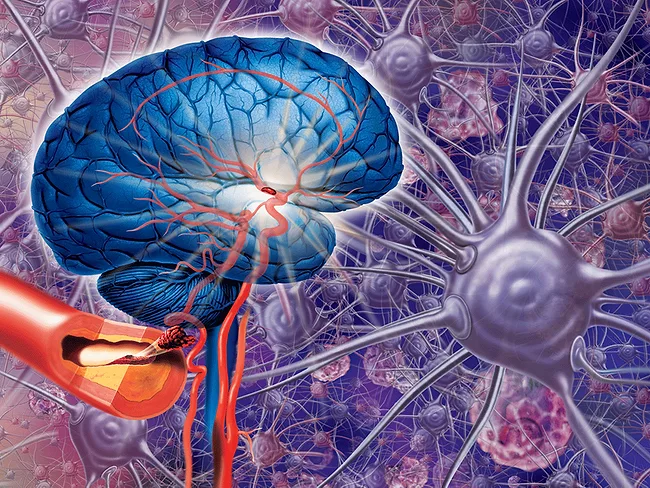
Ischemic stroke comprises about 87% of stroke incidence. The nuclear factor κ B (NF-κB) cascade is a major regulatory pathway of inflammation and is activated in response to ischemic stroke in humans and in rodents during middle cerebral artery occlusion (MCAO).
Alzheimer’s disease (AD) is still the most prevalent neurodegenerative disorder, with few FDA-approved treatments and many that have failed; further understanding of AD’s disease mechanisms is required. Investigators from Gempharmatech Inc. have developed a novel AD murine model (FAD4T) in which APP (Swedish and Indiana mutations) and PSEN1 M146L/L286V mutations were inserted into the mice’s genome.

 RSS
RSS