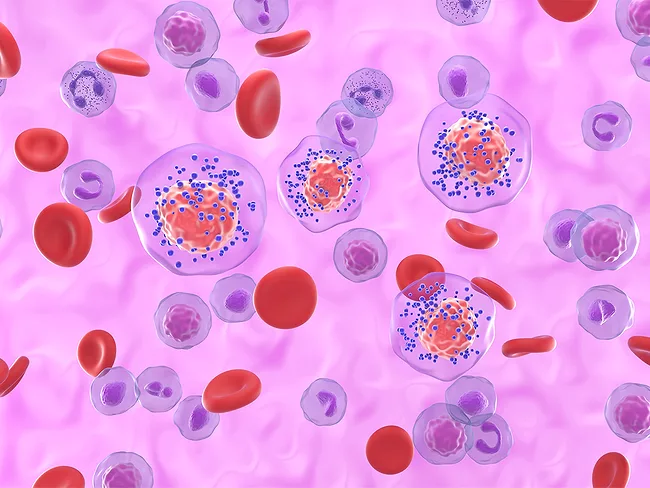
Cyclin-dependent kinase 6 (CDK6) plays a crucial role in the G1 phase to S phase transition of the cell cycle. Aberrant activation of CDK6 has been linked with the development and progression of cancers such as leukemia, lymphoma and solid tumors. A recent study published in Bioorganic & Medicinal Chemistry aimed to discover novel proteolysis-targeting chimera (PROTAC) molecules as CDK6 inhibitors.
Jiangsu Vcare Pharmatech Co. Ltd. has identified S-adenosylmethionine synthase isoform type-2 (Mat2A) inhibitors reported to be useful for the treatment of cancer.
Zhejiang University has synthesized isoquinoline derivatives reported to be useful for the treatment of cancer, infections, autoimmune disease, and cardiovascular, cerebrovascular and Inflammatory disorders.
LG Chem Ltd. has disclosed bromodomain-containing protein 4 (BD1 domain) (BRD4 BD1) and CREB-binding protein (CREBBP; CBP) inhibitors reported to be useful for the treatment of cancer, inflammatory disorders and autoimmune disease.
Lung cancer, which often occurs as lung adenocarcinoma, is the leading cause of cancer-related death worldwide. At least 70% of lung adenocarcinoma patients fail to show long-term benefit from immune checkpoint inhibitors, highlighting the need to identify in advance those more likely to benefit.
Researchers continue to search for how they can inhibit cancer metastasis as it can severely worsen prognosis, even if the primary tumor responded well to therapy. Researchers at Università degli Studi di Torino and collaborators previously showed that injecting an RNA aptamer targeting the miRNA miR-214, called anti-miR-214 sponge, reduced metastasis of tumors to lungs and liver. One drawback of this potential therapeutic approach was that the inhibitor oligo could enter all cells, not only tumors.
Triple-negative breast cancer (TNBC) accounts for a substantial proportion of all breast cancers and is the most aggressive form of the disease. Identifying potential therapeutic targets is critical because the cancer does not express the three surface receptors recognized by current targeted therapies.
Chengdu Chipscreen Pharmaceutical Ltd. has divulged Werner syndrome ATP-dependent helicase (WRN; RECQ3; RECQL2) inhibitors reported to be useful for the treatment of cancer.
Overexpression of the eukaryotic translation initiation factor 4E (eIF4E) has been observed in a wide range of tumors, where it is associated with malignant transformation, tumor progression, poor prognosis, and resistance to therapy.

 RSS
RSS