Breakpoint Therapeutics GmbH has divulged Werner syndrome ATP-dependent helicase (WRN; RECQ3; RECQL2) inhibitors reported to be useful for the treatment of cancer.
Rubedo Life Sciences Inc. has identified Bcl-2-like protein 1 (Bcl-xl; Bcl-X; BCL2L1) inhibitors acting as senolytic agents reported to be useful for the treatment of autoimmune disease, cancer, cardiovascular disorders, cognitive disorders, diabetes, inflammatory, metabolic and neurological disorders, among others.
Lung cancer is globally the second most frequent cancer and the cause of approximately 2 of every 10 cancer-related deaths. Immune checkpoint inhibitor therapy can be effective for some patients, but many patients prove resistant to it.
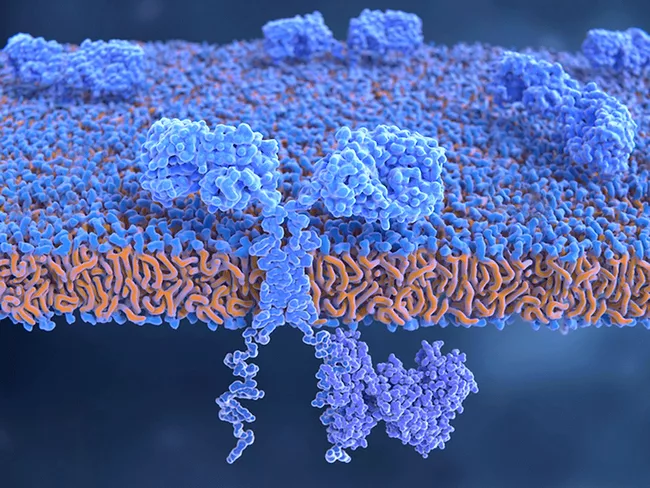
Researchers at the Olivia Newton-John Cancer Research Institute and collaborators have developed a new anti-HER2 monoclonal antibody, mAb104, which targets a conformationally exposed, tumor-specific epitope in domain II of the HER2 protein.
Myrio Therapeutics Pty Ltd. is set to advance lead product PHOX2B PC-CAR T (PHOX2B peptide-centric chimeric antigen receptor autologous T cells) into clinical trials for relapsed neuroblastoma following IND clearance by the FDA. The first patient will be enrolled around mid-year.
Betta Pharmaceuticals Co. Ltd. has described proteolysis targeting chimera (PROTAC) compounds comprising a VHL-binding agent coupled to a GTPase KRAS-targeting moiety through a linker acting as KRAS degradation inducers reported to be useful for the treatment of cancer.
Shanghai Tyk Medicines Co. Ltd. and Tyk Medicines Inc. have identified poly(ADP-ribose) glycohydrolase (PARG) inhibitors reported to be useful for the treatment of cancer.
Doxorubucin is an effective therapeutic in cancer treatment, but it can cause cardiotoxicity and damage the mitochondrial machinery. A new patient-derived and mitochondria-rich human induced pluripotent stem cell derived-cardiomyocyte (hiPSC-CM) model protected by dexrazoxane was developed.
Vascular endothelial factor receptor 2 (VEGFR-2) is an attractive target for cancer drugs because inhibiting it prevents tumors from developing the blood vessels that they require for rapid growth. Several VEGFR-2 inhibitors have already been licensed for the clinic.

 RSS
RSS