B-cell lymphoma represents about 85% of non-Hodgkin lymphoma cases; therapeutic approaches are represented by Bruton tyrosine kinase (BTK) inhibitors, but still some issues, such as drug resistance and off-target toxicity, limit the clinical benefits.
Estrogen receptor-positive (ER+) breast cancer remains a major challenge even with well-defined treatment options. The identification of reliable markers for early detection of the disease is crucial for improving patient outcomes.
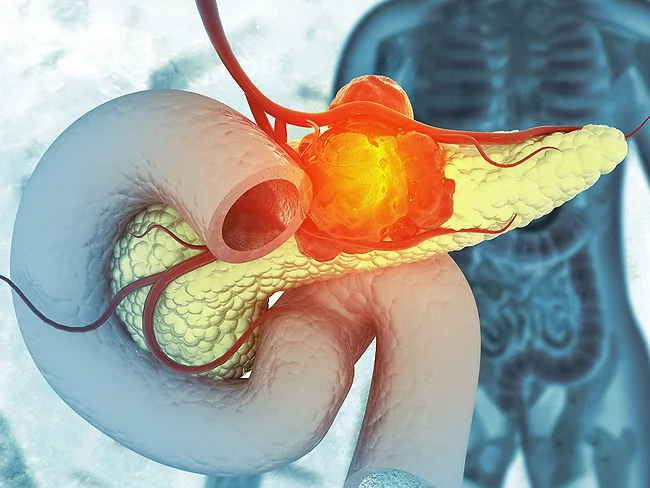
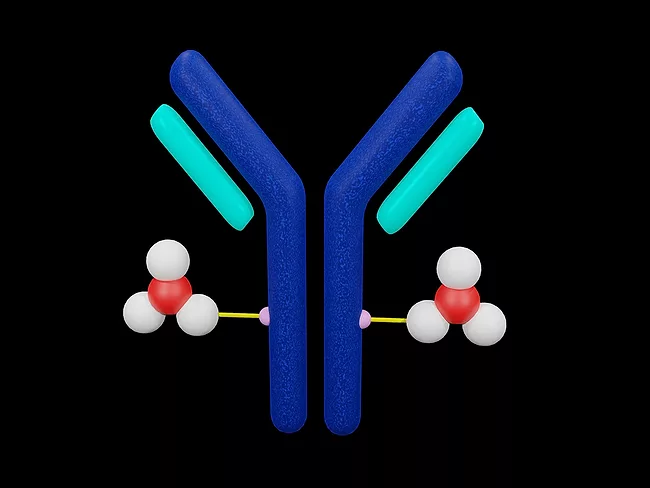
Medicovestor Inc.’s Adobind MC-001 has been awarded orphan drug designation by the FDA for the treatment of pancreatic cancer. Adobind MC-001 is a chemoimmunotherapy antibody-drug conjugate that integrates proprietary enhancements to antibody structure, payload delivery and tumor engagement.
Naya Therapeutics Inc. is expanding its hepatocellular carcinoma pipeline with the addition of NY-700, a first-in-class GPC3-targeted Astatine-211 (211At) α radioimmunotherapy aiming to address residual disease, micro-metastasis and post-immunotherapy failures.
Sunrock Biopharma SL and Shanghai Escugen Biotechnology Co. Ltd. have joined forces in a strategic partnership to codevelop SRB-123, a first-in-class antibody-drug conjugate (ADC) targeting C-C motif chemokine receptor 9 (CCR9), a tumor-associated antigen overexpressed in multiple solid tumors, including pancreatic, ovarian and lung cancer.
Among the presentations included in the Top Abstracts category at the recently inaugurated Annual Congress of the European Association for Cancer Research (EACR) in Lisbon, it is worth highlighting two that respectively addressed the role of cytokines and lipid-sensing receptors as key modulators of the tumor microenvironment, a central theme in current cancer research.
Ariel Scientific Innovations Ltd. has identified dolastatin 10 analogues and its conjugates comprising another functional moiety and a linking moiety reported to be useful for the treatment of cancer.
“The lack of therapeutic precision in treatment of myeloid malignancies is in sharp contrast with the fact that myeloid cancers represent the perhaps best characterized cancers of all at the cellular, molecular, and genetic levels,” Johanna Olweus told her audience at the Friday plenary session of the European Hematology Association 2025 Annual Congress.
 RSS
RSS