Pleco Therapeutics BV has held a successful pre-IND meeting with the FDA to discuss the continued development of PTX-252, an intravenous formulation designed to treat patients with acute myeloid leukemia (AML).
Hepatocellular carcinoma (HCC) represents about 90% of all cases of liver cancer and has a poor prognosis, with a 5-year survival rate of about 18%. Previous findings had shown that RNA 5-methylcytosine (m5C) plays an important role in HCC progression, where the impairment of ferroptosis plays a crucial role in HCC progression.
Researchers from Guangdong Medical University published data from a study that aimed to identify novel biomarkers that would allow for comprehensive assessment of prognosis and immunotherapy response in patients with testicular germ cell tumors (TGCT).
Investigators from the Ontario Institute for Cancer Research and the University Health Network have synthesized triazolopyridopyrimidine and dihydroimidazopyridopyrimidine derivatives acting as eukaryotic translation initiation factor 2-alpha kinase 4 (GCN2) inhibitors reported to be useful for the treatment of cancer and peripheral neuropathy.
Researchers from the Shanghai Institute of Materia Medica of the Chinese Academy of Sciences and the Shanghai Institute of Organic Chemistry have divulged EGFR (L858R/T790M/C797S triple mutant) and EGFR (del19/T790M/C797S triple mutant) inhibitors reported to be useful for the treatment of cancer.
Shenzhen Zhongge Biotechnology Co. Ltd. prepared and tested cholesterol side-chain cleavage enzyme, mitochondrial (CYP11A1) inhibitors reported to be useful for the treatment of castration-resistant prostate cancer.
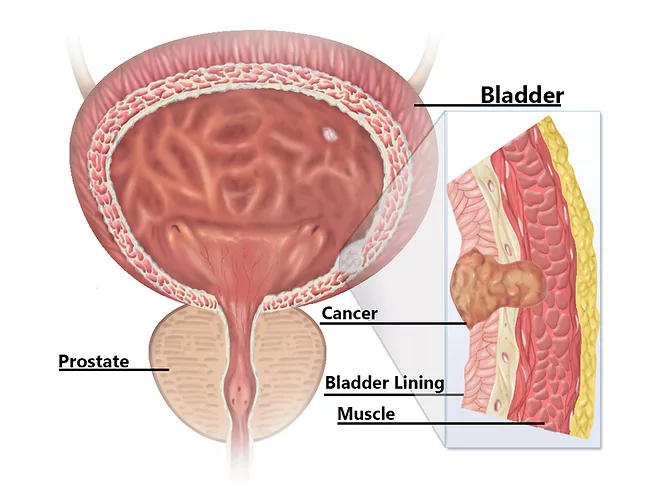
Bladder cancers (BCs) that invade the muscle layer are classified as muscle-invasive bladder cancers (MIBCs). The MIBC subtype accounts for around 25% of all BC cases, with a significant proportion of patients presenting distant metastases.
Metabolic reprogramming in cancer involves glycolytic enzymes acquiring noncanonical functions and acting as protein kinases, which contribute to tumor progression and present new therapeutic opportunities. While hexokinase domain-containing protein 1 (HKDC1), a hexokinase family member, has been implicated in tumor growth and immune evasion, its nonmetabolic roles remain poorly understood.
The three-dimensional analysis of cell types and their locations by spatial transcriptomics provides key information of their interactions within tissues or organs. Based on this technology, scientists at the Wellcome Sanger Institute have developed an AI tool called Nichecompass, which shows a comprehensive view of the cancer microenvironments, the different cells, their locations, and how they communicate with each other through different molecules inside the tumor. This AI could process data in an hour and compare samples before and after a treatment.
Hangzhou Bio Sincerity Pharmaceutical Technology Co. Ltd. has identified new benzazepinone derivatives acting as receptor-interacting serine/threonine-protein kinase 1 (RIPK1; RIP-1) inhibitors reported to be useful for the treatment of cancer.
 RSS
RSS