Epithelial ovarian cancer (EOC) is the most predominant histologic type of ovarian cancer, with about 55% of patients at an advanced stage when diagnosed; overall survival remains poor.
Interius Biotherapeutics Inc. has been granted Human Research Ethics Committee (HREC) approval and clinical trial notification clearance by Australia’s Therapeutic Goods Administration (TGA) to begin a first-in-human trial of INT-2104, its lead in vivo CAR candidate for treatment of B-cell malignancies.
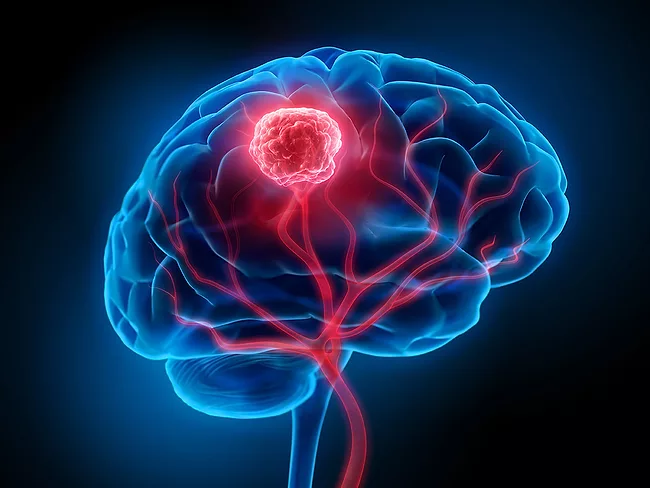
Recent studies have highlighted the potential role of the small GTPase Rac1 as new therapeutic target in SHH-medulloblastoma due to its regulation of Hedgehog signaling via the GLI1 and GLI2 transcription factors.
Hansoh Bio LLC has described MAP kinase-activated protein kinase 2 (MAPKAPK2; MK2) inhibitors reported to be useful for the treatment of cancer, infections, neurodegeneration, autoimmune disease, immunological disorders, inflammatory conditions and cardiovascular disorders.
Recursion Pharmaceuticals Inc. has synthesized molecular glue degraders acting as RBM39 degradation inducers reported to be useful for the treatment of renal cell carcinoma.
Myricx Bio (Myricx Pharma Ltd.), a spin out from Imperial College London and the Francis Crick Institute, has closed a series A financing raising £90 million ($114 million) to support its work focused on the discovery and development of a novel class of payloads for antibody-drug conjugates (ADCs).
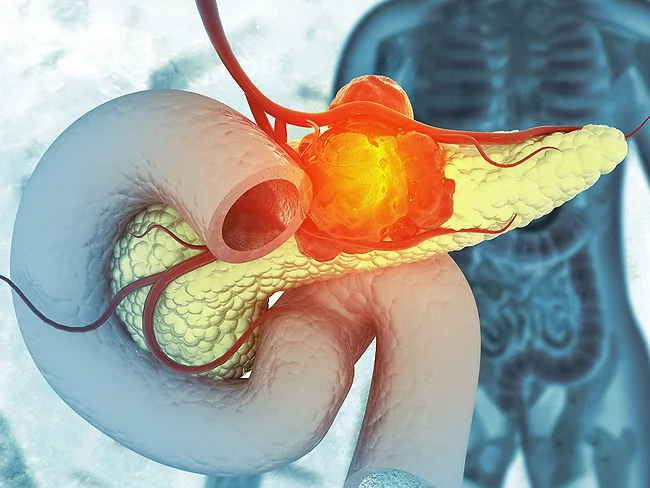
Researchers from Oricell Therapeutics (Shanghai) Co. Ltd. presented the discovery and preclinical characterization of ORIC-613, a dual-targeting CAR T-cell therapy being developed for the treatment of pancreatic and gastric cancer.
Researchers at Risen (Shanghai) Pharma Eng Co. Ltd. and Risen (Suzhou) Pharma Tech Co. Ltd. have divulged GTPase KRAS inhibitors reported to be useful for the treatment of cancer.
Researchers from the National Cancer Institute presented data from a study that aimed to explore the role of the major nuclear exporter protein exportin 1 (XPO1) in pancreatic neuroendocrine tumor (pNET) subsistence and therapy resistance.
Activation of the stimulator of interferon genes (STING) pathway has recently proven effective as an antiproliferative strategy in glioma and melanoma.
 RSS
RSS