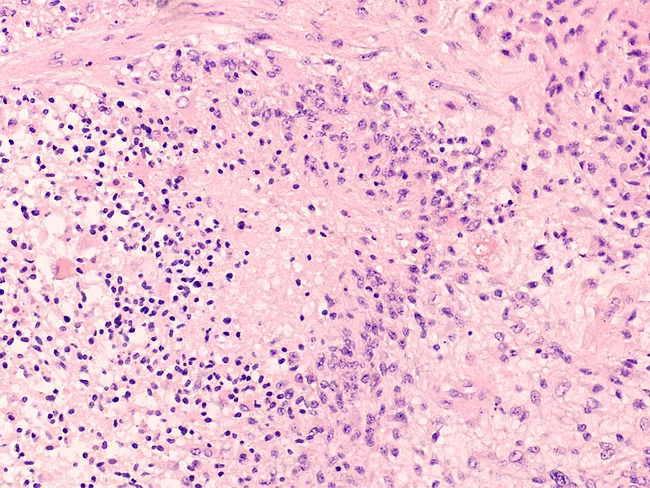
Scientists from Wuhan University and affiliated organizations have published findings from their investigation into the role of Yes-associated protein (YAP), which is a critical effector of the Hippo pathway, in anaplastic thyroid carcinoma.
Cumulus Oncology Ltd. is in the thick of raising a $50 million series A round as its model of sourcing novel drug targets emerging from academia, shaping them up for clinical development, and spinning them into startups, gathers pace. At the same time, Nodus Oncology Ltd., the first spinout created around an acquired asset, has just reached in vivo proof of concept with its lead DNA damage response inhibitor, and it, too, is looking to raise a series A to take the program through to the end of phase I.
Latvian Institute of Organic Synthesis has identified selenium compounds acting as estrogen receptor α (ER-α; ESR1) modulators reported to be useful for the treatment of cancer.
Type6 Therapeutics Inc. has disclosed cyclin-dependent kinase 2 (CDK2) inhibitors reported to be useful for the treatment of cancer, neurodegeneration, autoimmune disease and inflammatory disorders.
Tumor protein p73 (TP73) has been commonly tagged as a putative tumor suppressor, but it may positively regulate the growth and stemness of cancer stem cells.
A recent article by researchers from Hangzhou Medical College reports data from studies that aimed to investigate the mechanisms behind the antitumor activity of the synthetic retinoid analogue WYC-209.
Plexium Inc. has described the efforts that led to the discovery of PLX-4545, an orally bioavailable molecular glue degrader of IKZF2 for the treatment of cancer that is currently undergoing evaluation in a phase I study in healthy volunteers.
Microbiotica Ltd. is poised to advance two of its microbiome-derived products into the clinic after securing regulatory approval and fresh finance. The first live bacterial therapeutic, MB-097, will be tested in combination with Keytruda (pembrolizumab) in patients with advanced melanoma who have not responded to treatment with immune checkpoint inhibitors. The second product, MB-310, is a once-daily oral therapy for treating the inflammatory bowel disease, ulcerative colitis.
A Contineum Therapeutics Inc. patent describes a crystalline form of lysophosphatidic acid receptor 1 (LPAR1; EDG2) antagonists reported to be useful for the treatment of brain cancer, glioblastoma, idiopathic pulmonary fibrosis, inflammatory disorders, multiple sclerosis, neurodegeneration, neuropathic pain and scleroderma, among others.

 RSS
RSS