Scientists from Merck Sharp & Dohme LLC and Otsuka Pharmaceutical Co. Ltd. have identified cellular tumor antigen p53 (TP53) Y220C mutant stabilizers reported to be useful for the treatment of cancer.
Triple-negative breast cancer (TNBC) cells depend on the transcriptional kinases CDK12 and CDK13 to maintain DNA damage response gene expression and manage replication stress. Due to their functional overlap, inhibition of a single kinase may permit compensatory activity.
Dewpoint Therapeutics Inc. has selected a development candidate in its MYC program. The first-in-class small molecule is designed to disrupt MYC-driven oncogenic transcription by modulating the aberrant biomolecular condensates that organize transcriptional control in cancer cells.
The malfunction of lymphatic drainage that occurs in lymphedema leads to excessive cholesterol accumulation in the affected skin and lymphatic vessels, causing inflammation and fibrosis. However, surgery and the chemical reduction of accumulated cholesterol with cyclodextrin reduce inflammation and regenerate lymphatic vessels. Cholesterol is a potential therapeutic target for treating lymphedema, according to this study published on Feb. 11, 2026, in Nature by Veronique Angeli and her colleagues.
Kunshan Xinyunda Biotechnology Co. Ltd. has discovered antibody-drug conjugates (ADCs) consisting of antibodies covalently linked to cytotoxic drugs potentially useful for the treatment of cancer.
Bivision Pharmaceuticals (Shanghai) Co. Ltd. has identified cyclic peptides targeting fibroblast activating protein α (FAP) reported to be useful for the treatment of cancer.
Researchers from Eurofarma Laboratorios SA and Universidade Federal do Rio de Janeiro – Macae havs synthesized histone deacetylase 6 (HDAC6) inhibitors reported to be potentially useful for the treatment of cancer.
Tempest Therapeutics Inc. has outlined plans to advance its newly acquired CAR T assets. While prioritizing development of its clinical-stage dual-targeting CD19/BCMA CAR-T program, TPST-2003 (ERI-2003), the company will also expand its portfolio into next-generation modalities.
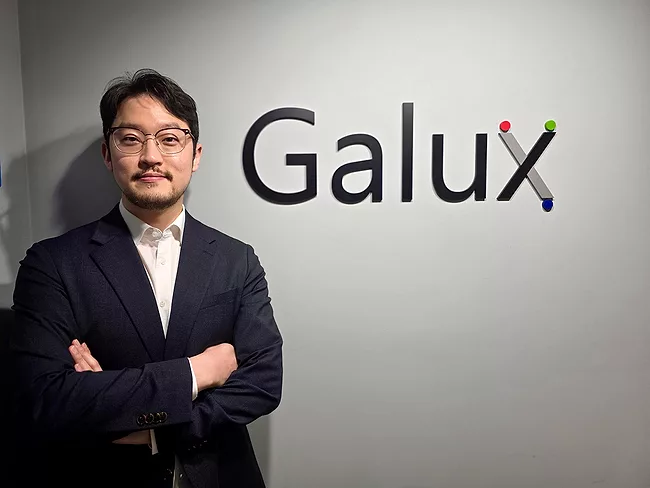
Galux closed a ₩42 billion (US$29 million) series B round Feb. 10, led by Yuanta Investment to bring AI-driven “rational design” to the protein drug development process, already heavily influenced by human engineering.
China Pharmaceutical University and Chongqing Innovation Institute China Pharmaceutical University have reported tetrahydronaphthyridine compounds acting as stimulator of interferon genes protein (STING; TMEM173) antagonists.

 RSS
RSS