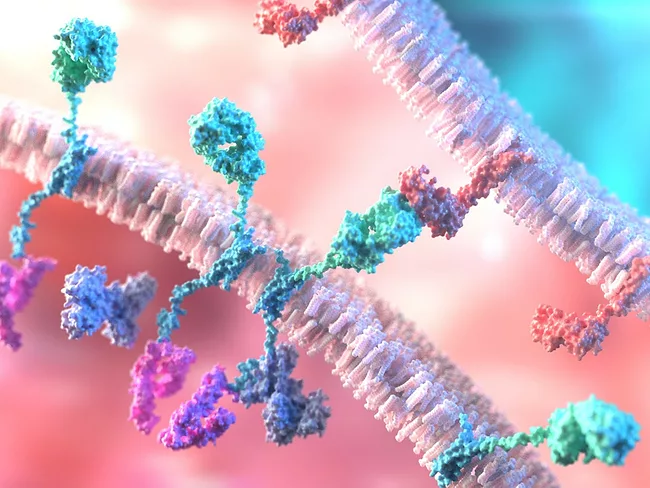
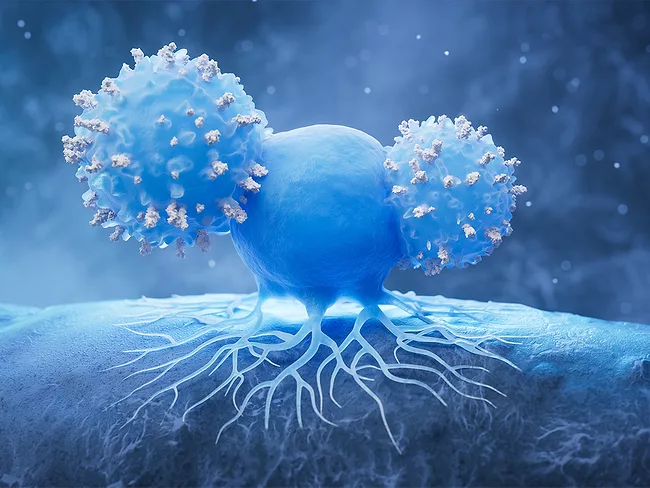
Kunshan Xinyunda Biotechnology Co. Ltd. has discovered antibody-drug conjugates (ADCs) consisting of antibodies covalently linked to cytotoxic drugs potentially useful for the treatment of cancer.
Bivision Pharmaceuticals (Shanghai) Co. Ltd. has identified cyclic peptides targeting fibroblast activating protein α (FAP) reported to be useful for the treatment of cancer.
Researchers from Eurofarma Laboratorios SA and Universidade Federal do Rio de Janeiro – Macae havs synthesized histone deacetylase 6 (HDAC6) inhibitors reported to be potentially useful for the treatment of cancer.
Tempest Therapeutics Inc. has outlined plans to advance its newly acquired CAR T assets. While prioritizing development of its clinical-stage dual-targeting CD19/BCMA CAR-T program, TPST-2003 (ERI-2003), the company will also expand its portfolio into next-generation modalities.
Galux closed a ₩42 billion (US$29 million) series B round Feb. 10, led by Yuanta Investment to bring AI-driven “rational design” to the protein drug development process, already heavily influenced by human engineering.
China Pharmaceutical University and Chongqing Innovation Institute China Pharmaceutical University have reported tetrahydronaphthyridine compounds acting as stimulator of interferon genes protein (STING; TMEM173) antagonists.
Impact Therapeutics Inc. has divulged heteroaryl compounds acting as ATP-dependent RNA helicase A (DHX9) inhibitors intended for use in the treatment of cancer.
Hubei Polytechnic University (Huangshi, China) scientists and collaborators aimed to develop potential tubulin polymerization inhibitors that may also synergize with immunotherapies for cancer treatment.
Nextpoint Therapeutics Inc. has obtained IND clearance from the FDA to initiate clinical development of NPX-372, a first-in-class B7-H7-targeted T-cell engager (TCE) for the treatment of patients with solid tumors.
Hepatocellular carcinoma (HCC) is the most common form of primary liver cancer, representing approximately 75-85% of all cases. Often considered preventable, primary liver cancer ranks as the sixth most frequently diagnosed cancer and the third leading cause of cancer deaths worldwide. Through a multi-institutional effort, researchers have identified activated ATF6α as a driver of HCC that suppresses immune defenses, predicts response to immune checkpoint therapy, and represents a potential target for intervention.

 RSS
RSS