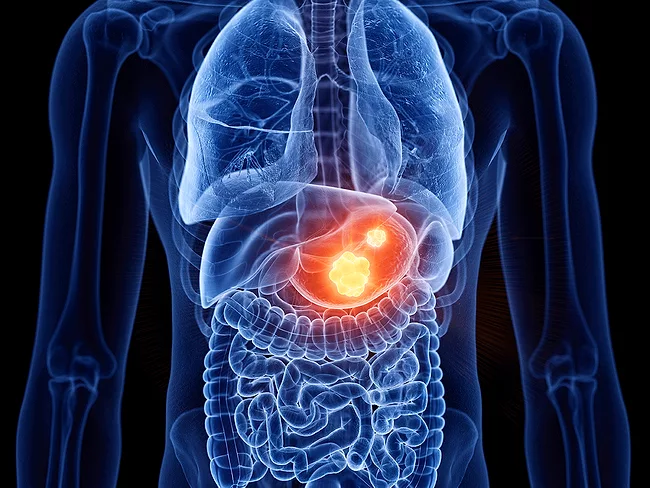
A Nanjing University of Chinese Medicine research team has discovered novel compounds being evaluated as potential anti-hepatocellular carcinoma (anti-HCC) agents.
Mortality rates related to non-small-cell lung cancer (NSCLC) remain still high, with about 75% of patients getting little clinical benefit from therapy. Adverse conditions in the tumor microenvironment, such as hypoxia or oxidative stress, disrupt the protein-folding capacity of the endoplasmic reticulum (ER) in infiltrating cells, provoking cellular stress that activates the unfolded protein response (UPR) pathway to restore proteostasis in this cellular organelle. During ER stress, serine/threonine-protein kinase/endoribonuclease IRE1 exerts its endoribonuclease activity on XBP1 mRNA generating a splice variant that encodes XBP1s that induces UPR target gene expression.
Beijing Innocare Pharma Tech Co. Ltd. has divulged heterocyclic compounds acting as son of sevenless homolog 1 (SOS1) inhibitors reported to be useful for treatment of cancer.
Tuojie Biotech (Shanghai) Co. Ltd. has identified mucosa-associated lymphoid tissue lymphoma translocation protein 1 (MALT1) inhibitors reported to be useful for the treatment of cancer, inflammation and autoimmune diseases.

 RSS
RSS