Eilean Therapeutics LLC has presented data for ZE74-0282, a novel small molecule that targets the JAK2 JH2 domain harboring the V617F mutation with no impact on wild-type JAK2.
Despite therapeutic advances, multiple myeloma (MM) remains incurable, with most patients relapsing and developing resistance, especially those refractory to proteasome inhibitors, immunomodulatory drugs and anti-CD38 antibodies. Limited options and poor prognosis highlight the need for new agents with distinct mechanisms and better safety.
Crossbow Therapeutics Inc. has provided details on the preclinical characterization for the telomerase reverse transcriptase (TERT)-targeting T-cell engager CBX-663.
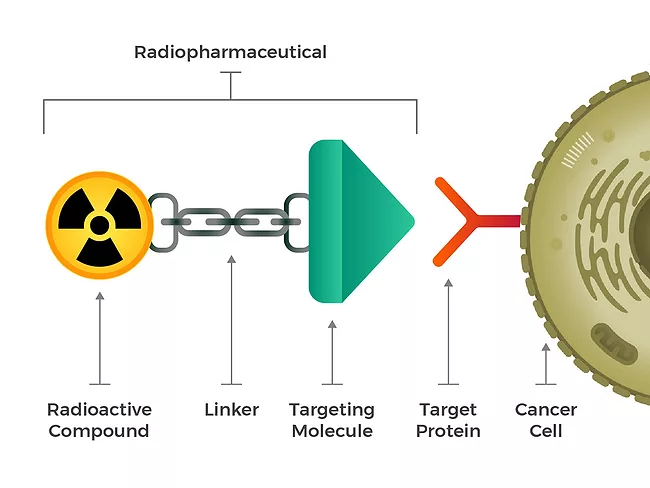
Peptidream Inc. has announced a new radiopharmaceutical candidate targeting cadherin-3 (CDH3) for the diagnosis and treatment of head and neck squamous cell carcinoma.
BioWorld’s 2022 end-of-year highlights included a toast to the future – of universal vaccines. Even before SARS-CoV-2 vaccines were developed in record time and saved countless lives during the COVID-19 pandemic, vaccines were a rare bright spot in the fight against infectious diseases. Bacteria are becoming multidrug resistant far faster than new classes of antibiotics are being developed, viral spillover events and vector ranges are increasing, and climate change is helping bacteria and fungi alike breach human thermal protections against infections.
Signet Therapeutics Co. Ltd. has divulged transcriptional enhancer factor (TEAD) inhibitors reported to be useful for the treatment of cancer, metabolic disorders, inflammatory disorders and neurodegeneration.
Laekna Pharmaceutical Ningbo Co. Ltd. has synthesized compounds acting as phosphatidylinositol 3-kinase α (PI3Kα) inhibitors reported to be useful for the treatment of cancer.
Researchers at Shanghai Institute of Materia Medica of the Chinese Academy of Sciences and at Tongji University have disclosed glutaminyl-peptide cyclotransferase-like protein (QPCTL; IsoQC) and glutaminyl-peptide cyclotransferase (QPCT; QC) inhibitors reported to be useful for the treatment of cancer, obesity, aging, immunological disorders and neurological disorders.
JAK2 inhibitors (JAK2i) are the standard treatment for myelofibrosis (MF), offering symptom relief and reducing spleen size. However, all FDA-approved JAK2i are type I inhibitors, which fail to eliminate the mutant MPN clone, leading many patients to treatment discontinuation.
 RSS
RSS