Gastrointestinal stromal tumors (GISTs) are a diverse group of tumors that account for about 80% of mesenchymal neoplasms in the gastrointestinal tract. Tyrosine kinase inhibitors (TKIs) against KIT and PDGFR-A have proven useful in patients with GIST, but resistance to therapy frequently occurs.
Tagworks Pharmaceuticals BV has received IND clearance from the FDA for a phase I trial evaluating its antibody-drug conjugate (ADC) TGW-101 in patients with advanced solid tumors. The company has initiated the first-in-human trial.
Bacillus Calmette-Guérin (BCG) remains the primary treatment for patients with high-risk bladder cancer, but resistance develops in 30% to 40% of cases. The use of oncolytic viruses has emerged as a promising alternative therapeutic strategy.
Avidicure BV has launched with a $50 million seed financing round and a focus on developing dual agonistic, multifunctional and avidity engineered antibodies, or AVC-Boosters, to deliver targeted and potent cancer monotherapy.
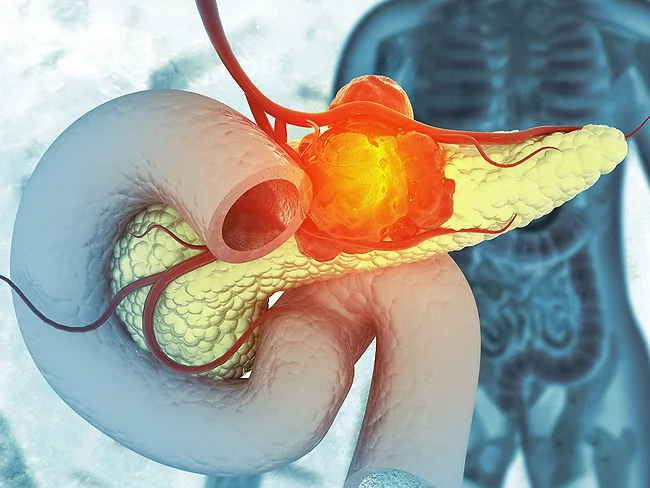
A metabolic vulnerability of pancreatic ductal adenocarcinoma (PDAC) could be used to address this type of cancer that often resists treatments. Scientists at the University of Michigan have discovered that inhibiting the PIKfyve enzyme prevented tumor development and reduced tumor growth by altering the lipid synthesis these cells rely on. The KRAS-MAPK pathway is involved in this process, leading the researchers to suggest that dual inhibitors of PIKfyve and KRAS-MAPK could be an effective therapeutic strategy.
Hangzhou Polymed Biopharmaceuticals Inc. has divulged molecular glue degraders comprising cereblon (CRBN) binding agents covalently bound to a zinc finger protein Helios (IKZF2)-targeting moiety acting as IKZF2 degradation and IKZF2/CRBN interaction inducers.
Isosterix Inc. has synthesized histone acetyltransferase KAT6A (monocytic leukemia zinc finger protein; MOZ; MYST-3) inhibitors reported to be useful for the treatment of cancer.
Hangzhou Synrx Therapeutics Technology Co. Ltd. has disclosed poly(ADP-ribose) glycohydrolase (PARG) inhibitors reported to be useful for the treatment of triple-negative breast cancer.
Mesenchymal stem cells (MSCs) have long been recognized for their potential in cancer therapy. However, the effectiveness of MSCs in cancer treatment has been hampered by their limited tumor-homing ability and the heterogeneity of tissue-derived MSCs. To address these challenges, researchers have focused on induced pluripotent stem cell (iPSC)-derived MSCs, which offer improved homogeneity and expansion potential.
A recently published study has identified collagen type X α 1 chain (CoL10A1) as a promising target for treating brain metastasis in breast cancer patients. The research, conducted by a team at First Affiliated Hospital of Xinxiang Medical University and collaborators, sheds light on the regulatory role of CoL10A1 in the progression of breast cancer brain metastasis (BMBC).

 RSS
RSS