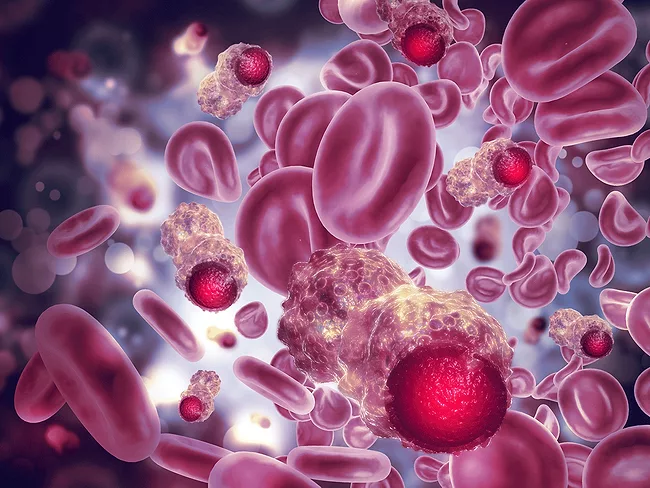
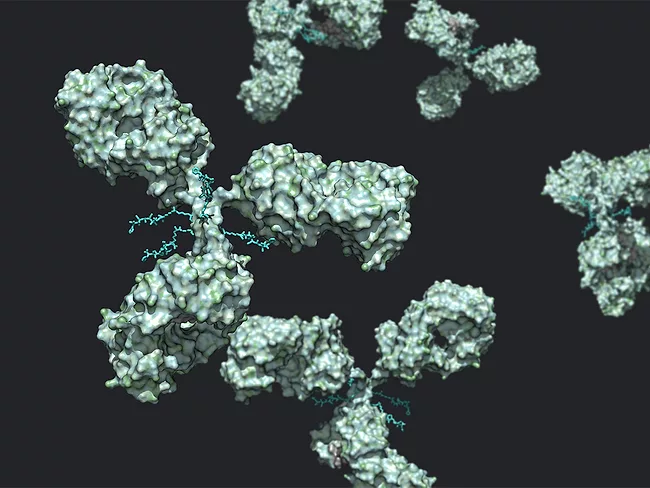
At this week’s American Society for Radiation Oncology meeting, scientists from The University of Texas MD Anderson Cancer Center reported the discovery and preclinical evaluation of CD47-LLO, a novel microbial-inspired antibody-drug conjugate (ADC) for the treatment of cancer.
Immunotherapy company Cartherics Pty Ltd. raised AU$15 million (US$10.3 million) in an oversubscribed series B round that will support the first clinical trial for lead chimeric antigen receptor natural killer therapy CTH-401 for ovarian cancer, and to expand its pipeline to include other diseases. Cartherics CEO Alan Trounson told BioWorld that the funds raised will take Cartherics through to mid-2026, and the phase I Australian trial in ovarian cancer will begin in the fourth quarter of 2025.
Thirtyfivebio Ltd. has described G protein-coupled receptor GPR35 antagonists reported to be useful for the treatment of cancer, fibrosis, inflammatory, cardiovascular, gastrointestinal and immunological disorders.
Humanwell Healthcare (Group) Co. Ltd. has identified kinesin-like protein KIF18A inhibitors reported to be useful for the treatment of atopic dermatitis, autoimmune disease, cancer, Crohn’s disease, psoriasis and ulcerative colitis.
Astrazeneca AB has divulged proteolysis targeting chimeras (PROTACs) comprising an E3 ubiquitin ligase cereblon unit coupled to an androgen receptor (AR) targeting moiety via a linker acting as AR degradation inducers reported to be useful for the treatment of cancer.
Researchers at Baylor College of Medicine and Deliver Therapeutics Inc. have synthesized protein kinase inhibitors reported to be useful for the treatment of cancer and psoriasis.
Recursion Pharmaceuticals Inc. has gained IND clearance from the FDA for a phase I/II trial of REC-1245 in a biomarker-enriched patient population, including patients with solid tumors and lymphoma. The trial is expected to begin in the fourth quarter of this year.
Alentis Therapeutics AG has obtained IND clearance from the FDA for ALE.P02, an anti-Claudin-1 (CLDN1) antibody-drug conjugate (ADC) with a tubulin inhibitor payload.
The gene encoding methylthioadenosine phosphorylase (MTAP) is expressed in normal tissues but 10 to 15% of tumors present deletions of MTAP expression that lead to accumulation of its metabolite 5-methylthioadenosine (MTA). Previous research has shown that selective inhibition of protein arginine methyltransferase 5 (PRMT5) in the presence of MTA may be considered a potential therapeutic strategy for the treatment of MTAP-deleted cancer.

 RSS
RSS