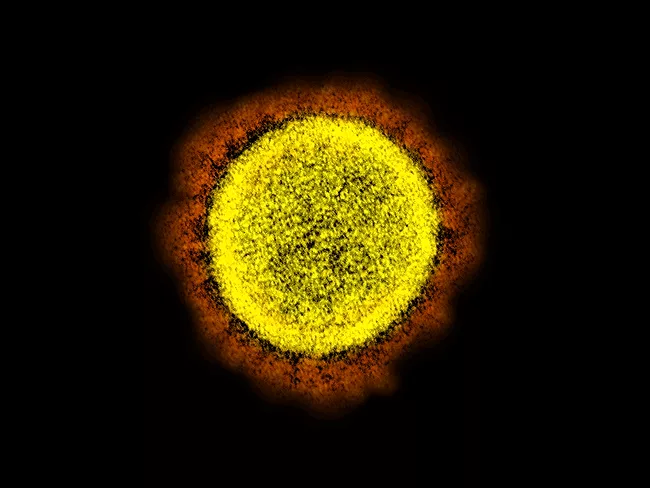
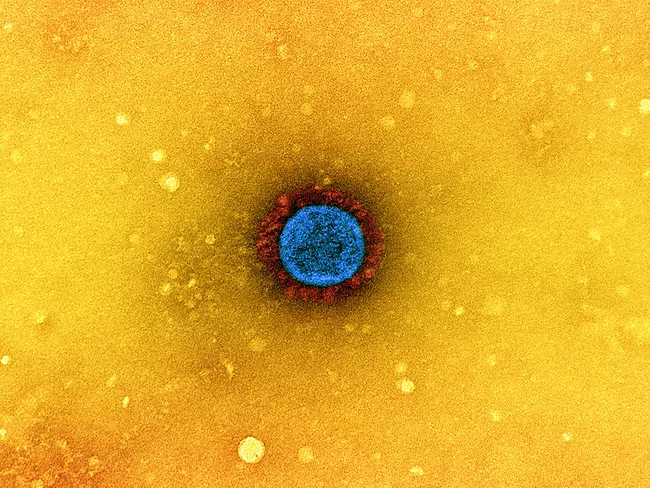
Pardes Biosciences Inc. has patented 3C-like proteinase (3CLpro; Mpro; nsp5) inhibitors (particularly HCoV-229E virus and/or SARS-CoV-2 Mpro inhibitors). They are reported to be potentially useful for the treatment of SARS-CoV-2 infections (COVID-19).
Eleven vaccines have now been approved by the World Health Organization for preventing COVID-19, but all exhibit drastically reduced activities after 6 months. Unlike vaccines that express only the spike protein as the immunogen, live attenuated vaccines have the potential to confer a broader and more durable protection.
Emory University has identified deuterated and/or methylated N4-hydroxycytidine (NHC) analogues reported to be useful for the treatment of viral infections.
Ethris GmbH has entered into a collaboration with Diosynvax Ltd. to jointly develop a protective mRNA vaccine candidate against a broad range of betacoronaviruses utilizing the company's highly differentiated mRNA modification and design technologies as well as its lipidoid nanoparticle (LNP) and stabilization platforms.
Poolbeg Pharma plc has identified potential new drug candidates from its respiratory syncytial virus (RSV) artificial intelligence (AI) program with Onethree Biotech Inc.
RQ Biotechnology Ltd. (RQ Bio) has announced that the first of its discovered monoclonal antibodies to prevent COVID-19 in vulnerable patients, AZD-3152, has entered clinical trials.
Scientists from the University of Delhi and affiliated organizations have reported the discovery and preclinical characterization of novel compounds with antiplasmodial activity.
Eurocine Vaccines AB has reported findings from preclinical studies evaluating its mRNA and protein technology platforms for its therapeutic herpes simplex virus type 2 (HSV-2) vaccine candidates. Initial results from the study, comparing the two technology platforms at multiple doses, demonstrate that the mRNA and the protein vaccines were well tolerated and generated T-cell and antibody responses.

 RSS
RSS