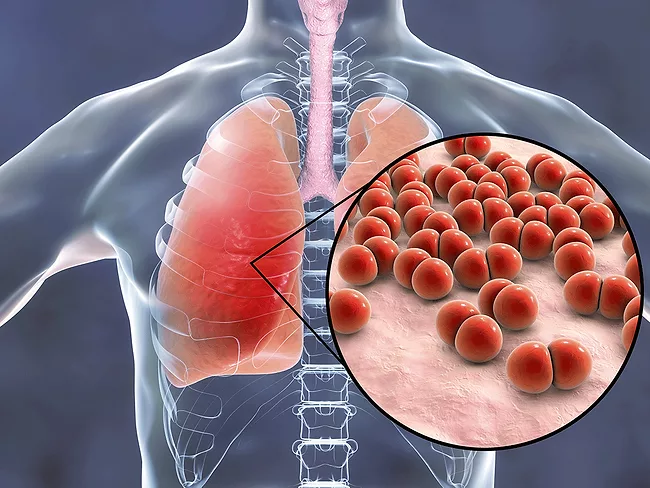
The Innovative Medicines Initiative’s COMBINE (COllaboration for prevention and treatment of MDR Bacterial INfEctions) project is developing a standardized in vivo pneumonia model to test small-molecule antibiotics.
Glox Therapeutics Ltd. has raised £4.3 million (US$5.37 million) in seed funding to develop targeted therapeutics against antibiotic-resistant gram-negative bacteria. The company was founded earlier this year as a spin-out from the Universities of Glasgow and Oxford.
Traditionally developed antibiotics generally act inhibiting essential bacterial enzymes. However, new strategies are urgently needed to discover novel antibiotics against bacterial infections, such as Lyme disease caused by Borrelia burgdorferi. The chaperone high-temperature protein G (HtpG) is a nonessential bacterial protein containing a desirable druggable domain.
Enanta Pharmaceuticals Inc. has patented heterocyclic compounds potentially useful for the treatment of metapneumovirus (MPV), influenza and respiratory syncytial virus (RSV) infections.
North Carolina State University has synthesized vancomycin derivatives containing a 2,3-pyrrolidinedione moiety and reported to be useful for the treatment of bacterial infections.
Uniquest Pty Ltd. has synthesized tyrosine-protein kinase SYK inhibitors reported to be useful for the treatment of allergy, cancer, fungal infections, rheumatoid arthritis, osteoporosis, liver, lung and periodontal diseases, among others.
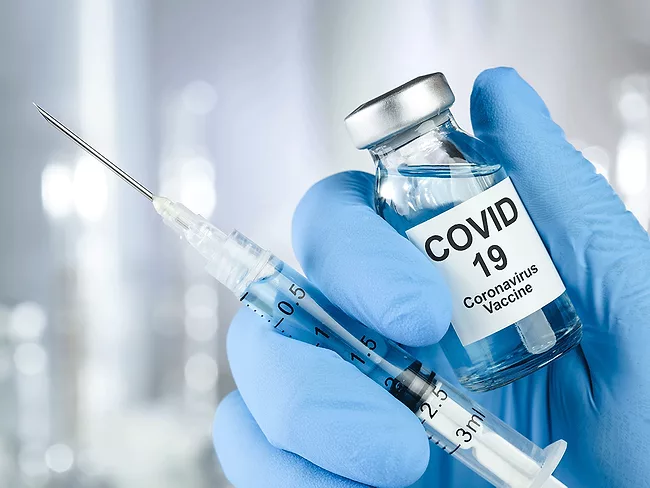
The National Institute of Allergy and Infectious Diseases (NIAID) is set to conduct a phase I trial with Tonix Pharmaceuticals Holding Corp.’s TNX-1800 (recombinant horsepox virus, live vaccine), a vaccine candidate to protect against COVID-19.
 RSS
RSS