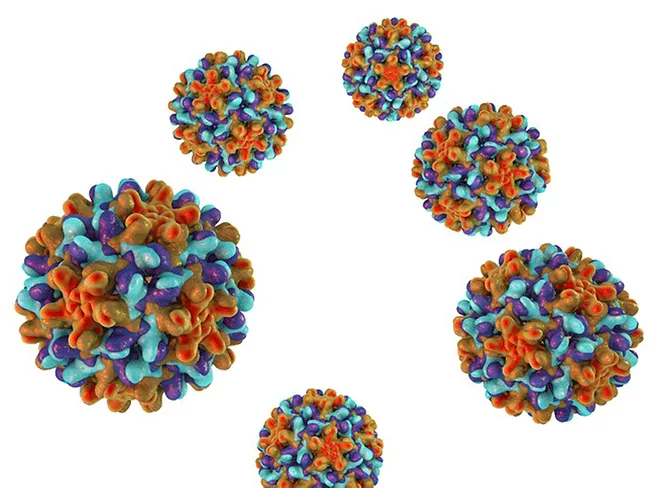
Research at Medshine Discovery Inc. has led to the development of 3C-like proteinase (3CLpro; Mpro; nsp5) (SARS-CoV-2; COVID-19 virus) inhibitors potentially useful for the treatment of SARS-CoV-2 infection (COVID-19).
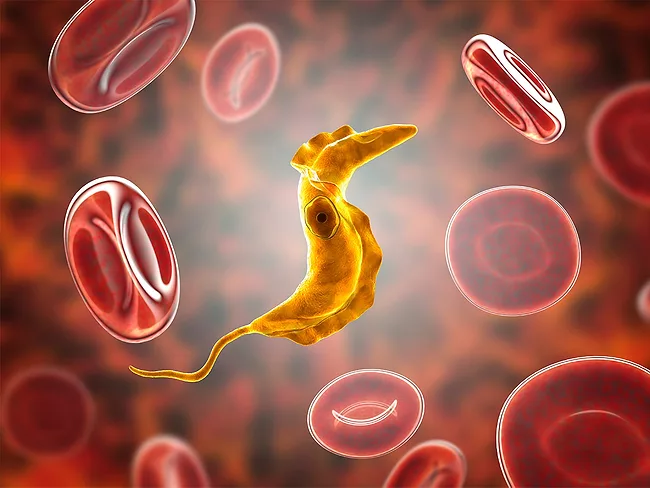
Researchers from Federal University of Ouro Preto and affiliated organizations presented the discovery of novel antitrypanosomal agents with activity against Trypanosoma cruzi.
Precision Biosciences Inc. uses its proprietary Arcus platform to develop in vivo gene editing therapies and has outlined new data from its wholly owned and partnered pipeline.
Researchers from Michigan State University and Tarn Biosciences Inc. have published their work on the discovery and preclinical evaluation of novel antimycobacterial nitro-containing compounds.
Conjugated oligoelectrolytes (COEs) have recently emerged as potential broad-spectrum antibiotics with promising selectivity that is irrespective of metabolic state, including dormant and biofilm-associated bacteria. Researchers from National University of Singapore, University of California Santa Barbara, and Walter Reed Army Institute of Research have sought to identify novel cationic antimicrobial COE candidates.
Messenger RNA, or mRNA, represents a relatively new class of therapeutics with the potential to prevent and treat a wide range of diseases. A well-known success story is of the mRNA vaccines that controlled the COVID-19 pandemic, which has fueled enthusiasm for the field. But biotechs are also developing mRNA candidates for several other infectious diseases, including malaria, tuberculosis and HIV, as well for cancer, autoimmune and allergic diseases. However, delivering nucleic acid therapeutics can be challenging, since mRNA cannot get into cells on its own.
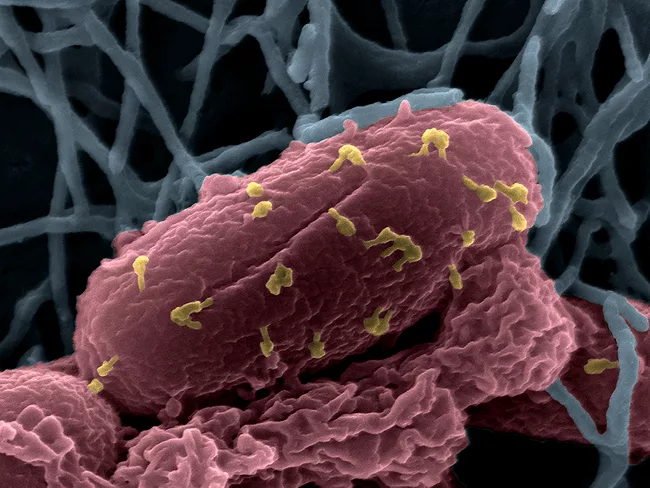
Intron Biotechnology Inc. has entered into an official contract with the U.S. Army Combat Capabilities Development Command (DEVCOM) to develop bacteriophages for combating uropathogenic Escherichia coli (UPEC) infections. DEVCOM, a subcommand of the U.S. Army Futures Command, has been working on a project to develop products that address the risk of urinary tract infections (UTIs) among soldiers exposed to austere environments, such as when deployed or undergoing training.
The Coalition for Epidemic Preparedness Innovations (CEPI) and the International Vaccine Institute (IVI) have announced a renewed collaboration to accelerate the development of vaccines against emerging infectious diseases.

 RSS
RSS