Research at F. Hoffmann-La Roche Ltd. and Hoffmann-La Roche Inc. has led to the identification of sulfonylpiperazinyl compounds acting as UDP-2,3-diacylglucosamine hydrolase (LpxH) inhibitors and reported to be useful for the treatment of gram-negative bacterial infections.
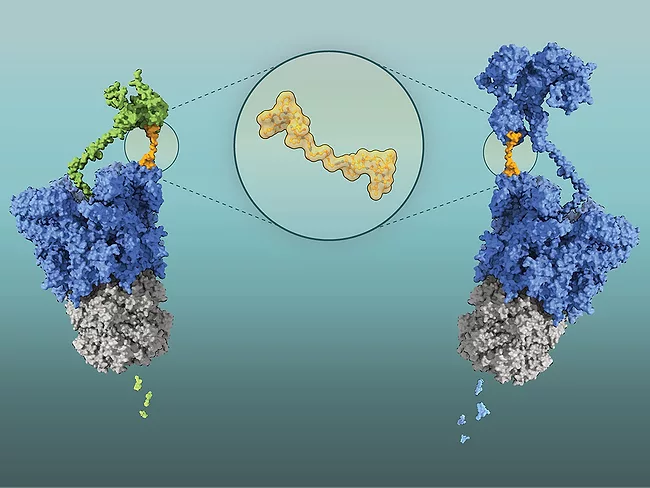
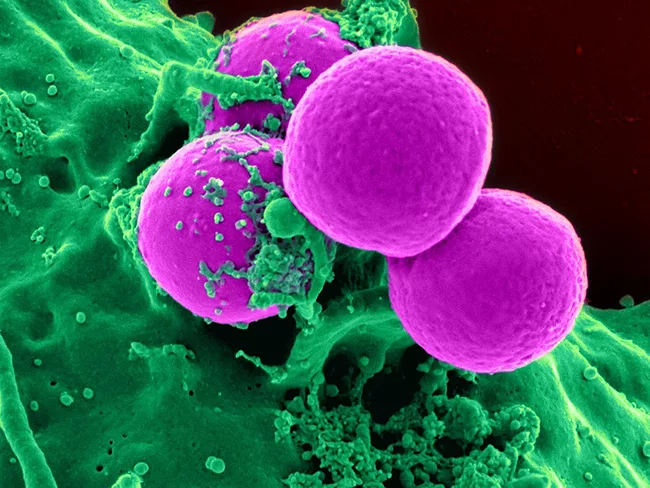
One way to prevent the effect of a molecule is to use the cell’s own machinery to break it down. This is what the PROTAC technology does, an acronym for proteolysis targeting chimera, or BacPROTAC, when applied to bacteria. A study led by Austrian and German scientists has demonstrated the effectiveness of this technique in eliminating the tuberculosis pathogen Mycobacterium tuberculosis (Mtb). The finding opens the door to the BacPROTAC strategy as an alternative to the development of drugs against this microorganism.
Nanjing Zhihe Pharmaceutical Technology Co. Ltd. has described nucleotide derivatives acting as prodrugs reported to be useful for the treatment of viral infections.
The Research Foundation of State University of New York has identified compounds targeting the synthesis of fungal sphingolipids, particularly ceramide glucosyltransferase (glucosylceramide) inhibitors, reported to be useful for the treatment of fungal infections.
 RSS
RSS