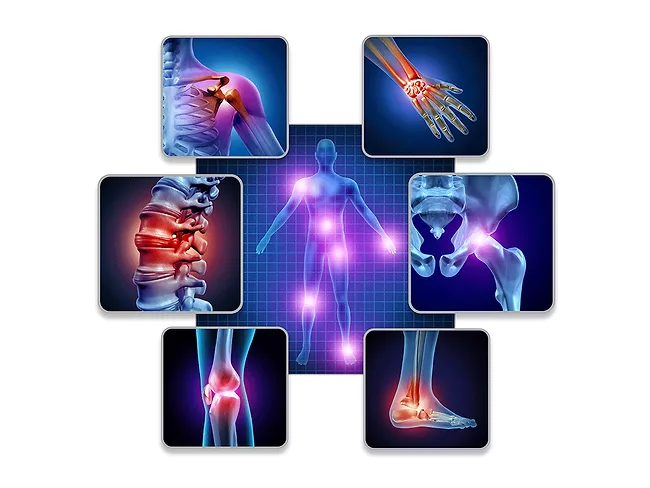
Chronic pain is a constant challenge to around 20% of the global population, and treatments to mitigate such pain often cause unacceptable side effects because the receptors and signaling pathways involved in pain sensing also drive necessary processes in the heart, lungs and liver. Opioid analgesics can be effective against chronic pain, but they can lead to tolerance and addiction.
Sensorium Therapeutics Inc. has identified mesembrine analogues acting as serotonin transporter (SERT) inhibitors reported to be useful for the treatment of neurological disorders.
Astrocytes are crucial for brain homeostasis and synaptic activity under healthy conditions, and are activated during neuroinflammation, neural damage and neurodegeneration, such as in Alzheimer's disease (AD).
Astellas Engineered Small Molecules US Inc. has identified poly(ADP-ribose) polymerase (PARP) inhibitors, particularly PARP-1 (ARTD1), reported to be useful for the treatment of neuronal injury.
Alzheimer’s disease (AD) is a progressive neurodegenerative disorder characterized by synaptic dysfunction, neuronal loss and the accumulation of amyloid plaques and neurofibrillary tangles, ultimately leading to cognitive decline. Despite significant research efforts, no existing treatment has proven effective enough to stop or reverse the progression of the disease.
Intra-Cellular Therapies Inc. has identified phosphodiesterase PDE1 inhibitors reported to be useful for the treatment of cancer, Parkinson’s disease, cognitive disorders, narcolepsy, female sexual dysfunction, glaucoma, psychosis and traumatic brain injury, among other disorders.
Parkinson’s disease (PD) is a neurodegenerative disorder characterized by the progressive loss of dopaminergic (DA) neurons in the substantia nigra, leading to clinical symptoms such as tremors, rigidity, bradykinesia and postural instability.
Enveric Biosciences Inc. has released promising preclinical results for its lead neuroplastogen drug candidate, EB-003, in the open space forced swim test, a preclinical mouse model of severe depression and despair. In the first study, an oral dose of EB-003 at 30 mg/kg significantly reduced depression-like behavior within 30 minutes of administration.
 RSS
RSS