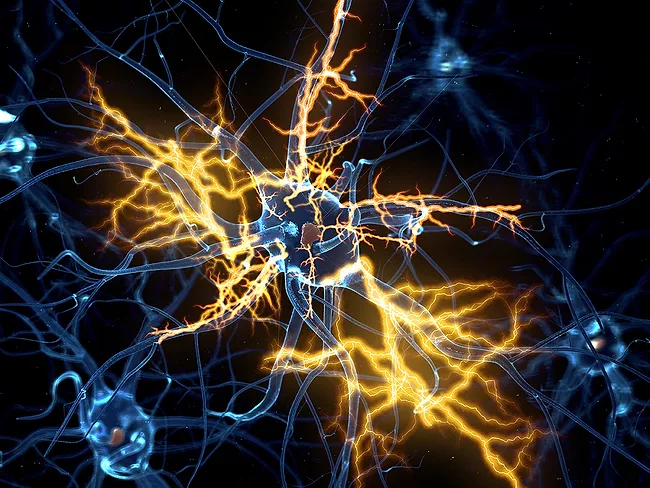
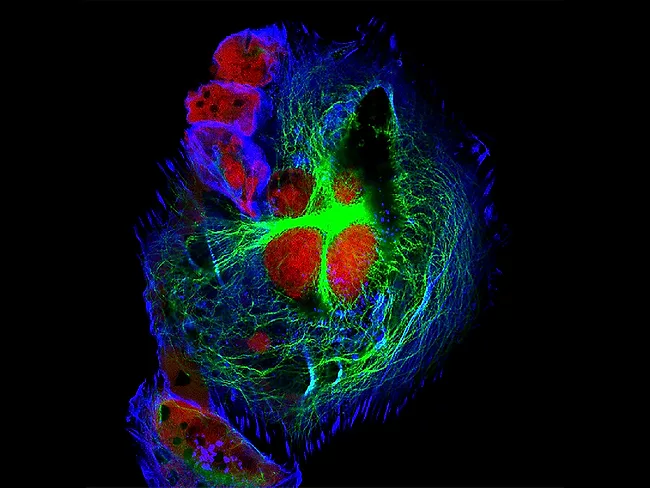
Spinal cord injury (SCI) is characterized by extensive demyelination and inflammatory responses. The clearance of microglial lipid droplets contributes to neural recovery and remyelination. Putting the focus on investigating microRNAs that regulate lipid homeostasis after SCI was the objective of a recently published study.
With a move into Lilly Gateway Labs in Boston’s Seaport District, privately held Tevard Biosciences Inc. is ramping up development of its transfer RNA (tRNA)-based therapies to cure everything from Dravet syndrome and other neurological conditions to cardiology indications and muscular dystrophies.
China’s National Medical Products Administration has cleared Luye Pharma Group Ltd.’s new schizophrenia candidate LY-03020 to enter phase I trials in China. Independently developed by Shanghai-based Luye, the new chemical entity is a dual agonist that targets both the trace amine-associated receptor 1 and the 5-HT2C receptor and is intended to treat schizophrenia and Alzheimer’s disease psychosis.
Precision Biosciences Inc. has announced that its experimental allogeneic T cell therapy azercabtagene zapreleucel (azer-cel) for the treatment of multiple sclerosis (MS) has received IND clearance from the FDA.
Researchers at Rockefeller University have identified a signaling loop between breast cancer cells and sensory neurons that promoted tumor metastasis, and showed that in animal models, treatment with the approved anti-nausea medication aprepitant could disrupt that loop.
Researchers from the Key Laboratory of Neuropharmacology and Translational Medicine of Zhejiang Province have gained new insights into the role of histamine receptors in fear memories.
Researchers from Alzecure Pharma AB presented preclinical data for ACD-137, a negative allosteric modulator (NAM) of tropomyosin receptor kinase A (TrkA), being developed for the treatment of pain.
Researchers from Contineum Therapeutics Inc. have presented preclinical data for the novel brain penetrant lysophosphatidic acid receptor 1 (LPAR1) antagonist, PIPE-791, being evaluated in models of neuropathic pain.
The interaction between the transcriptional co-repressor runt-related transcription factor 1 translocation partner 1 (Runx1t1) and MYCN, a member of the MYC proto-oncogene family, plays a crucial role in the development of neuroblastoma, according to a study led by the Children's Cancer Institute at Lowy Cancer Centre, UNSW Sydney.
Researchers from Indiana University have presented data from a study that aimed to assess the potential of suppressing GABA metabolism through inhibition of its degradation enzyme, GABA aminotransferase (GABA-AT), as novel analgesic strategy. The effect of next-generation GABA-AT inhibitor OV-329 was assessed in C57BL/6J mice that were intraperitoneally injected with paclitaxel to generate neuropathic nociception. Treatment with OV-329 attenuated the development and maintenance of paclitaxel-induced mechanical hypersensitivity.
 RSS
RSS