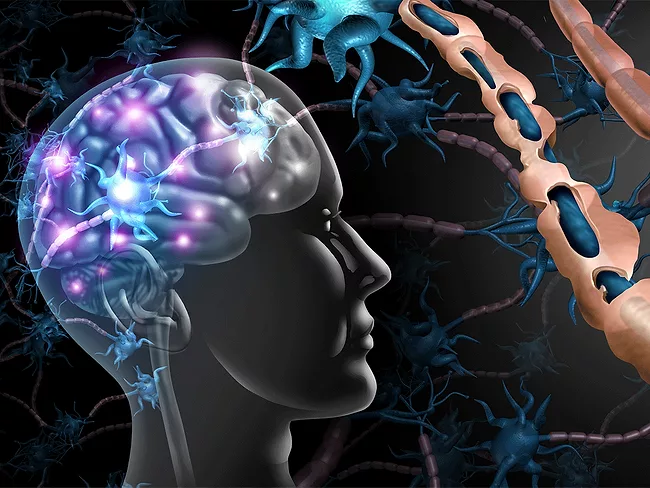
On March 4, 2024, several groups of scientists discussed the challenges of investigating the effects of HIV in the central nervous system (CNS) at the oral abstract session on neuropathogenesis of HIV held during the 31st Conference on Retroviruses and Opportunistic Infections (CROI), in Denver. A cure for HIV will require eliminating the virus in all its reservoirs, those tissues where HIV remains latent but retains the capacity for reactivation and replication. However, despite antiretroviral therapy (ART), the virus could continue to replicate continuously at a low level in some reservoirs, including the CNS.
Suzhou Lexbio Pharm Co. Ltd. has patented macrocyclic triazole derivatives acting as high-affinity nerve growth factor receptor (NTRK1; TRKA) inhibitors reported to be useful for the treatment of cancer, multiple sclerosis, neuropathic pain, Alzheimer’s and Parkinson’s diseases.
A male patient who harbored a deletion in the intron 7-exon 8 region of the dystrophin gene, DMD, was showing symptoms that matched with Becker muscular dystrophy.
Nextgen Bioscience Co. Ltd. describes new compounds acting as hypoxia inducible factor-1α (HIF-1α) or vascular endothelial growth factor receptor (VEGFR) inhibitors and reported to be useful for the treatment of stroke, cancer, obesity, asthma, glaucoma, inflammatory bowel disease, rheumatoid arthritis and Alzheimer’s disease, among others.
F. Hoffmann-La Roche Ltd. and Hoffmann-La Roche Inc. have identified new monoglyceride lipase (MGLL; MAGL) inhibitors reported to be useful for the treatment of pain, cancer, inflammatory bowel disease, endometriosis, asthma, mental diseases and neurological and renal disorders.
Semaphorin 3A signaling, through the plexin A1/neuropilin 1 (PLXA1/NRP1) receptor complex, is known to disrupt the differentiation and migration of oligodendrocyte precursor cells and mature remyelinating oligodendrocytes. Both semaphorin 3A and plexin A1 are up-regulated in the central nervous system of patients with multiple sclerosis.
Igc Pharma Inc. has reported results of preclinical studies investigating TGR-63 as a treatment for Alzheimer’s disease, showing enhanced memory function in an Alzheimer’s mouse model, including improved memory acquisition, consolidation and retrieval.
 RSS
RSS